

Day 1: Prioritize and prepare
Organization and efficiency are essential to successfully pack for a move in just three days. Begin by creating a moving checklist of all tasks and gathering the necessary packing supplies you'll need to start.
Packing supplies you’ll need include:
- Cardboard boxes of various sizes: Get heavy-duty boxes for heavier items and specialty boxes (like dish packs or wardrobe boxes) for fragile items or clothing. Research the recommended number of boxes based on the size of your home. A common estimate is 10 to 15 small, 15 to 20 medium and 10 to 12 large boxes for a three-bedroom home.
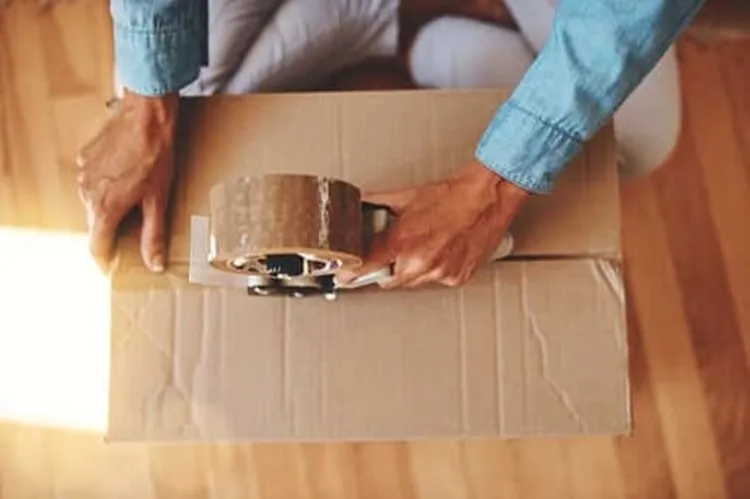
- Packing tape: Invest in heavy-duty packing tape to secure boxes reliably to prevent them from ripping open, especially those containing heavy items.
- Cushioning material: Use a combination of bubble wrap, foam, packing paper and/or packing peanuts to protect fragile items in boxes.
- Permanent markers: Essential for clearly labeling the contents and destination room on every box.
- Color-coded labels (optional): These convenient labels are pre-printed with both a color and a room name.
- Scissors or box cutters: Needed for cutting tape and assembling/sealing boxes.
- Sealable bags: Use these to keep small parts, such as screws or bolts from disassembled furniture, securely together and labeled.
- Moving blankets and/or stretch wrap: Use these to protect furniture surfaces from scratches and dirt during the move and transit.
- Trash bags: Useful for transporting soft goods like linens and for quickly covering clothes left on hangers for immediate transport.
- Dish packing kits (optional): These typically include foam pouches or dividers designed to make packing fragile dishes and glassware easier and safer.
As you plan your packing tasks, consider getting help from professional movers or friends. Finishing everything in such a short time may require extra hands, depending on how much you own and how much time you have to pack.
Day 2: Organize by room
Tackle the packing one room at a time, beginning with low-priority areas like the attic or storage rooms. Completing these unused spaces first will give you a sense of accomplishment and help you gain momentum. Keep in mind that the kitchen will likely be the most time-consuming room, primarily because it contains many fragile items that must be carefully wrapped.
Recommended packing order (starting with least-used rooms):
- Attic
- Basement
- Garage
- Guest rooms
- Office
- Living room
- Dining room
- Kitchen
- Bedrooms
- Bathrooms
As you complete each box, label it clearly with the room it belongs in. Using color-coded labels with the room name already printed can make this task much faster and easier for movers. Additionally, pack similar items together to simplify the unpacking process later.
When a room is finished, move all the boxes to a central location, like the garage. This helps speed up the truck loading process and provides open space to complete your move-out cleaning. Remember to keep boxes from the same room grouped together in the staging area to ensure they are loaded and unloaded efficiently.
Day 3: Pack essentials and finalize
Create an essentials box with the items you’ll need right away at your new place. Make sure it’s clearly labeled and include the following items:
- Toiletries: toothbrush, toothpaste, shampoo, soap and toilet paper
- Change of clothes
- Bedding, pillows and a blanket
- Bath towels
- Medications and vitamins
- First aid kit
- Snacks and bottled water
- Toolkit, boxcutter and flashlight
- Cleaning supplies, paper towels and trash bags
- Disposable plates, cups and utensils
- Phone charger
- Pet items like food or a favorite toy
- Important documents like a passport or moving contract
If you have kids, remember to pack an essentials box or suitcase with items they’ll need as well. It’s a good idea to include a favorite stuffed animal or toy, books and other activities to entertain your child while you’re busy unpacking.
When you are finished packing, go through each room and open every cabinet, drawer and closet door. Pay special attention to hidden spots where items are frequently overlooked, such as inside the dishwasher, oven, microwave, refrigerator and freezer.
Also, remember to check all external and secondary storage areas, including the garage, shed, attic, crawl spaces and any outdoor storage bins or wall units. Checking these forgotten places will help prevent leaving valuable or essential items behind. Once everything is packed away, you can begin to plan for unpacking at the new location. Map out which rooms you’ll tackle first and where you may need additional help.
Quick packing tips
While having several weeks to pack for a move is ideal, you can still get it done quickly if you follow an efficient plan. Here are several time-saving packing strategies for a faster move:
- Keep clothes on their hangers and simply gather them into bundles, then cover the bundle with a large trash bag for protection.
- Roll your clothing (rather than folding it) to maximize space and fit more items into each box.
- For lighter furniture, leave clothes and other soft items inside the dresser drawers and secure the drawers with stretch wrap. Be mindful of the overall weight for moving.
- Save on bubble wrap by using soft items you already own, such as towels, blankets or clothing, to cushion fragile items.
- Pack heavy items like books or small tools into a rolling suitcase to make carrying easier.
- Keep all your packing supplies (tape, markers, cutters, etc.) together in a portable caddy so you can easily move them from room to room without misplacing anything.
- Take a picture of the contents after you fill certain boxes (especially those with valuable or delicate items). This creates a quick, detailed inventory for easy reference later.
Safety and efficiency
Moving is physically demanding, and common injuries like back strains often result from improper lifting techniques. To protect yourself, always prioritize safety: use proper lifting form by planting your feet firmly, keeping your back straight and utilizing your leg muscles (not your back or arms) when lifting any heavy box.
Additionally, know your physical limits and consider hiring professional help for exceptionally heavy items or large pieces of furniture. If you decide to handle the lifting yourself, always use equipment like a dolly, hand truck, furniture sliders or lifting straps to assist. Never attempt to move heavy furniture alone—ask a friend for help.
Throughout the entire process, remember to stay hydrated and take frequent breaks to maintain your energy and focus. Moving is physically taxing, and you should expect to feel sore or tired in the days that follow.
FAQ
What is the fastest way to pack for a move?
The fastest way to pack for a move is to hire a team of professional movers. They can pack up a three-bedroom house in six to eight hours, on average. If professional services aren’t feasible for your budget, ask friends to help you pack, focusing on one room at a time.
How do you pack a kitchen quickly?
You can pack your kitchen dishes quickly using one of two methods. The fastest way is often to use pre-made dish kits, which come with protective foam pouches, eliminating the step of individual bubble wrapping. If you don't have a kit, an effective strategy is to stack five or six dishes together and wrap the entire set as a single unit.
What should you not pack when moving?
For safety reasons, you can’t pack hazardous materials such as paints, aerosols, fertilizers or pesticides, as they are often flammable or chemically unstable. Safely dispose of these items before your move. Also, check with your specific moving company for a complete list of all prohibited materials.
How can you make unpacking easier?
Organizing your items by category or by room as you pack will significantly simplify the unpacking process in your new home. Also, clearly labeling every box with its contents and the specific room it belongs to so movers can place it in the appropriate spot right away.