

Key insights
Follow an organized strategy, load order and loading techniques when packing your pod to save space and minimize the risk of damage.
Jump to insightGather all of your packing materials before you start, and don’t forget ratchet straps or other tools to secure your belongings inside the pod.
Jump to insightDistribute weight evenly, pack as densely as possible and be mindful of the door tracks when organizing your belongings inside.
Jump to insightSteps to pack a moving pod
The best way to pack a moving pod is to start with a strategy; since your pod will likely be on your property for days or weeks before your move, you have time to plan accordingly. Follow the steps below to make the best use of the space in your pod and minimize efforts on both sides of your move.
1. Plan your loading order
Start by listing the large items you need to pack in the pod, such as furniture and appliances. Make a scale drawing of the pod and sketch out where you’ll place bulky items. When you can, plan to stack big pieces of furniture near the back of the pod to make filling in the rest of the space easier.
If you haven’t yet decided on a moving container size, this sketch can also help you determine which available size best fits your belongings.
While working on this plan, remember that you can disassemble some furniture pieces to make loading and organizing simpler.
2. Gather packing materials
Next, gather the materials you’ll need to pack your belongings. These can vary based on what you’re packing, but most moves require the following:
- Cardboard boxes or plastic moving totes
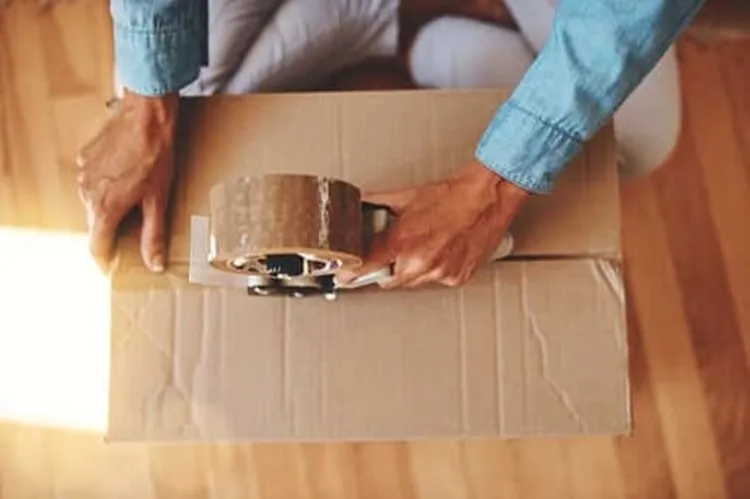
- Packing tape
- Cushioning material
- Furniture blankets or stretch wrap for protection
- Permanent markers for labeling
- Plastic bags
- Packing paper
- Blankets, towels or packing peanuts to fill voids
- Ratchet straps
- Furniture dollies or lifting harnesses
3. Prep furniture and appliances
When your initial prep work is complete, start preparing bulky items for packing.
For furniture, consider the following moving and packing tips:
- Wrap mattresses in protective mattress bags and stand them upright in your pod, ideally against the walls.
- Disassemble any furniture you can.
- Bundle furniture hardware on a per-piece basis in labeled plastic bags. Tape these bags to the corresponding piece of furniture so you stay organized.
- Wrap furniture corners with padding or cover with moving blankets to protect them from damage.
- Lay moving blankets over the tops of furniture to protect the surfaces from scratches.
For appliances, you can use the following tips to stay organized and protect your belongings:
- Unplug, empty and clean refrigerators and freezers and allow them to defrost completely for 24 hours before loading them into your pod.
- Place refrigerators and freezers with their backs to the walls to prevent accidental damage to refrigerant lines during the move.
- Drain washing machines 24 hours before packing to avoid leaks inside your pod.
- Strap down large appliances using ratchet straps secured to tie-downs.
4. Build a stable base layer
Plan to pack from back to front and bottom to top, since that’s how you’ll have to load things into your pod. Start packing by loading large, heavy furniture pieces or appliances into the back of the unit. Always pack items that can support a lot of weight on the bottom, and pack fragile items near the top.
Dressers, couches, washing machines, dryers, tables, side tables and refrigerators should sit on the pod floor, and you should strap these to the tie-down rails inside. On top of those, you can place boxes with increasingly light and delicate items inside so that nothing breakable ends up under other belongings.
5. Fill gaps and stack safely
Work from back to front to build a stable base layer, and stack boxes up as high as your pod allows. Aim to have your belongings span from the floor to as high as it makes sense, while leaving room for the roller door.
Fill gaps between packed items with bags of clothing or blankets, or with smaller boxes. Empty space can allow for movement during transit, which can damage your items.
If you use bedding, towels, linens or clothing to fill gaps, make sure you seal them in plastic first, as any moisture introduced during your move can lead to mold growth.
You can pack larger, delicate items that have some weight, such as headboards and TVs, in protective boxes, padding or moving blankets. Secure them against the walls rather than laying them flat to avoid damage.
6. Strap items to tie-downs
As you pack, you should secure everything using ratchet straps, or ensure that boxes packed between furniture pieces and appliances are snug and won’t shift during the move.
Strap large furniture pieces and appliances separately, and strap sections of boxes together to prevent movement. Avoid overtightening straps, as this could cause damage to your belongings.
7. Load open-first essentials last
Set aside boxes of essentials and load them last. These are items you’ll need during the first few days in your new home that you can quickly unpack as soon as you arrive, and leave the rest for whenever you have time. Below is a list of some essentials you may consider packing toward the front of your pod:
- Basic kitchen utensils for cooking and eating the first meal in your new home
- A set of plates or paper plates
- One bedding set for each family member
- Toiletries, such as hand soap, body soap, shampoo, contact lens solution and toothpaste
- One complete set of towels and hand towels
- Basic cleaning supplies
- Toilet paper
- Shower curtains
- Paper towels
- Dish soap
- Garbage bags
- Basic tools for reassembling furniture and changing door locks
» COMPARE: U-Pack vs. PODS
Packing materials for moving pods
The packing materials you choose for your moving pod can play a role in how well protected and organized your belongings are, so it’s worth considering different options to choose what works best for your needs.
Moving boxes
In general, you have two primary options for moving boxes: cardboard boxes and plastic totes.
- Cardboard boxes: Cardboard boxes are the most affordable option for packing your belongings in a pod, and they’re more environmentally friendly than their plastic counterparts. However, they don’t stand up well to moisture, and they can break more easily, especially with heavy shifting.
- Plastic moving totes: Plastic moving totes are more expensive than cardboard boxes and can be much harder to store because they don’t fold flat. They’re a better option for long-term storage, though, as they offer better protection against moisture and pests, and they’re more durable. Plastic totes can be a good investment if you plan to reuse them for a future move.
Void filler
Filling the empty space in your boxes and between boxes in your pod is crucial to avoid shifting. A handful of materials can make good filler.
- Cushioning material: Bubble wrap is great for wrapping delicate items, but you can also use it to fill voids inside your boxes. Purchasing wrap for your move can get expensive, though, especially if you use it to fill gaps in your pod.
- Packing paper: Balled-up packing paper is an affordable material for filling voids, and since you can also line boxes with it, it’s a multi-purpose option.
- Blankets or towels: Instead of packing bulky blankets and towels separately, you can use them to fill empty space when packing to save money on extra materials. Just be sure to wrap them in plastic so they’re protected from moisture and mold.
- Packing peanuts: Packing peanuts are good for filling space inside boxes, but they aren’t suitable for filling voids between boxes in your pod. Packing peanuts are not as environmentally friendly as other options, and they’re an additional expense.
Tools to secure items
Packing tape is your best bet for closing cardboard boxes, and you can even use it to help keep lids on plastic totes.
Inside the pod, you’ll need ratchet straps for tying furniture to the tie-downs and grouping boxes together to prevent shifting. Choose small, low-tension ratchet straps to save money. Your moving container company may provide ratchet straps with your rental, so check before you invest in your own set. You can use bungee cords as an alternative for securing smaller items.
Items to keep your belongings protected
Furniture blankets and plastic stretch wrap are both great for protecting furniture in different ways.
- Furniture blankets: Furniture blankets are the better option overall; they offer better protection, are reusable and can double as void fillers if you have extra.
- Stretch wrap: Stretch wrap isn’t reusable or multi-purpose, but if you wrap your belongings well, it can provide protection against moisture and pests that furniture blankets won’t.
Moisture, pest and odor protection
Try to protect your belongings from moisture, pests and mold odors. This is especially important if your items will sit in your pod for an extended period, if you’re moving a long distance, or if you’re moving to or from a rainy or humid area.
- Plastic bags: Plastic bags are a great option for sealing clothing, bedding and linens. They’re affordable and reusable, and they protect against moisture and pests. Just make sure anything going in the bags is completely dry, or you’ll trap moisture inside.
- Silica gel packets: Silica gel packets are a good investment if you’re packing electronics. These absorb moisture and are ideal protection against humidity.
- Lavender sachets or cedar wood rings: Lavender sachets and cedar wood rings help protect packed linens, clothing and bedding from moths or other pests. You can also use them for long-term storage after your move.
Miscellaneous
Finally, you’ll need a few more materials to ensure a smooth relocation.
- Permanent markers: These will make for easy labeling to help you stay organized.
- Furniture dollies: Furniture dollies and hand trucks make moving bulky furniture easier and safer. Some pod companies may include these with your rental, but if yours doesn’t, you can usually buy or rent one from a local hardware store.
- Lifting harnesses: Lifting harnesses can be a good alternative to furniture dollies if you have at least two people moving bulky items. They’re more affordable than dollies, but generally less convenient to use.
Loading strategy to prevent shifting
Following the loading strategy detailed above will start you in the right direction, but there are a few more things you can do to prevent your belongings from shifting during the move.
- Aim to distribute weight evenly: Try to balance heavy objects such as furniture and appliances evenly, from back to front and side to side. Placing the heaviest objects at the bottom of the pod will also help prevent shifting.
- Pack wall to wall: It’s best not to leave any large gaps inside the pod. Aim to pack from wall to wall, starting at the bottom and working toward the top.
- Pay attention to the door rollers: While you should pack wall to wall, avoid packing all the way up to the ceiling. Many moving containers use roller doors that roll up inside the unit; you’ll need to make sure nothing is packed so high that it can fall and block the track of the door.
- Position flat and fragile items on top: Pack fragile items on top and secure them to prevent them from falling. Lay flat pieces such as artwork and mirrors on the top, and always wrap them for protection.
- Create a door barrier: Belongings that shift can fall against the door and cause a door jam. To prevent this, leave a space of about 6 inches just inside the door. Create a barrier using a mattress or flat boxes taped together and secured to the belongings behind them.
Moisture and heat protection in pods
Using plastic totes, plastic bags and cushioning material to secure and seal belongings is a good way to prevent water damage, but there are some additional ways you can reduce the risk of mold growth and protect your belongings from severe temperatures. These will help prevent damage from water and moisture, and they can prevent mold growth and pest infestation.
- Use desiccant packets: Silica gel packets are great for stored electronics, but you can also purchase large packets to place throughout the pod if high humidity is a concern in your area. This isn’t a standalone solution for moisture, however, so couple these with vapor barriers and other strategies.
- Avoid loading or unloading in inclement weather: Aim to keep your pod closed and secured if it’s raining or snowing. This will help limit how much moisture gets inside your pod. Even a small amount of rain or snow can lead to water damage and mold growth.
- Use vapor barriers: Use plastic or vacuum bags to wrap and seal linens, bedding, clothing and other fabrics.
- Don’t store electronics in severe temperatures: If you’re moving to or from an area with extreme temperatures, keep electronics in your home and transport them in your personal vehicle on moving day, if possible. High temperatures, in particular, can damage internal components, especially during long-term storage.
- Inspect your pod regularly for leaks: After any instance of rain, check your pod for leaks. Finding moisture intrusion early will make removing it and avoiding damage much easier.
- Consider a climate-controlled unit: For items such as artwork, vinyl records, antique wood furniture and musical instruments that are especially sensitive to humidity changes and high temperatures, consider upgrading to a climate-controlled moving pod.
FAQ
What should you not pack in a pod?
Don’t pack anything perishable in a moving pod; this can cause issues with pests and is usually prohibited by the companies that rent these moving containers. You should also avoid packing firearms, explosive or combustible materials, as well as particularly valuable items or irreplaceable, delicate items.
How long before a move should you start packing?
Generally speaking, the earlier you start packing for a move, the better, at least up to two months before moving day. You can start by planning your move and organizing how you’ll lay out bulky items in your pod first. About four weeks before your move, start packing non-essential items to stay ahead of schedule, and plan to be mostly wrapped up about two days before you leave.
Is it better to use boxes or totes for a moving pod?
Both packing options have upsides and drawbacks, so the right one for you depends on your needs. Cardboard boxes are much more affordable than plastic totes, are usually recyclable and are easier to store or dispose of after the move. Plastic totes are more expensive and harder to store, but they offer much more protection against moisture and other elements, and they last longer without losing strength.
Why do you need ratchet straps for a moving pod?
Ratchet straps are important for packing a moving pod because they let you secure large pieces of furniture, appliances and stacks of boxes to prevent shifting during the move. This helps avoid damage to your belongings, and it can prevent items from falling into the door and blocking access on the other end of your move.
Article sources
ConsumerAffairs writers primarily rely on government data, industry experts and original research from other reputable publications to inform their work. Specific sources for this article include:
- PODS, "Container Tips and Troubleshooting." Accessed March 24, 2026.
- PODS, "How to Pack a PODS Container: 18 Dos and Don’ts for Portable Storage Containers." Accessed March 24, 2026.
- PODS Enterprises, "PODS Packing and Loading Tips." Accessed March 24, 2026.
- Zillow, "When to Start Packing for a Move: A Week-by-Week Moving Schedule." Accessed March 24, 2026.