

Key insights
Stay quiet and lock yourself in a secure room while calling 911 to avoid alerting intruders who may assume your home is empty.
Jump to insightNever confront an intruder or waste time gathering possessions; these actions escalate danger and reduce your chance of escape.
Jump to insightCreate a family safety plan with designated safe rooms, escape routes and regroup signals to ensure everyone knows how to respond if your home is invaded.
Jump to insightWhat you should do during a home invasion
Home invasion statistics show a downward trend: burglary rates dropped 14.9% from 2024 to 2025, according to FBI data. Yet, there’s no telling if or when a criminal might target your house. If someone breaks into your home, following these steps can help increase your chances of survival.
1. Get to a locked, safe room
As soon as you become aware of an intruder in your home, you should quickly and quietly move to a safe room where you can lock the door. If you can access your security system from your smartphone, alert the authorities.
The burglar may not know someone else is in the house. It’s best to keep it that way until the police arrive.
2. Quietly call or text 911
If your area supports texting 911 for emergencies, do so immediately to report an intruder in your home. Check whether text-to-911 is available near you by visiting the Federal Communications Commission website. Do this before you need to use it; whether this service is available to you is not something you’ll want to figure out in the moment.
If you don’t have the text option, call 911 and softly but clearly inform the operator that your house has been broken into. Let them know you’re still inside.
3. Stay quiet and listen
The 911 operator may ask you to stay on the line and keep them updated on what’s happening. Listen for one or more voices that correspond to multiple intruders. Try to determine what they’re looking for and where they might go next.
4. Decide when to escape
Consider your options. Do you stand a better chance of remaining undetected by the burglar if you stay put and keep quiet? Or does the situation call for an escape attempt?
The sooner you can exit your home and get away from the immediate threat of an intruder, the better. However, if your path to safety requires more than a few steps or puts you out in the open (such as on a staircase or in a large living room), your odds of survival are better behind the locked door.
If you’re still in contact with emergency services, they may be able to advise you on what to do.
What to do if you’re confronted
Coming face-to-face with a burglar can cause an adrenaline spike and trigger your fight-or-flight response, but you should do your best to remain calm and cooperative. Channel your energy into memorizing key details about the intruder, such as what they’re wearing or any distinguishing marks, so you can share that information with the authorities when they arrive.
What not to do during a home invasion
Split-second reactions to a home invasion can either increase your safety or put you in greater danger and reduce your chances of escape. Avoid these critical mistakes if someone breaks into your home:
- DO NOT confront the intruder: You can’t be sure of their state of mind, whether they’re armed or whether they’re impaired by drugs or alcohol.
- DO NOT yell or threaten: Raising your voice can put your personal safety at risk by escalating the situation, rather than defusing it.
- DO NOT search for valuables: Your homeowners insurance policy covers property damage and theft of items you can replace, so your focus should be on preserving your life.
- DO NOT give chase after they leave: Focus on cooperating with investigators and tending to your family.
According to home security statistics, 60% of people charged with burglary stated they would avoid homes with on-site alarms. In scenarios where these security features aren’t enough to stop a criminal (who may or may not have a clear head at the time), you should know what to do to keep your family safe until the police arrive.
Home invasion safety plan for families
A well-coordinated family home invasion safety plan includes designated safe rooms, multiple escape routes and a known regroup location. Use the checklist below to craft — and practice — your home invasion response plan.
Family home invasion plan checklist
- Determine one or more safe rooms: The best safe rooms have deadbolt locks, thick walls and no windows.
- Identify exit points: What doors, windows, fire escapes or other points of egress allow you to escape your home safely?
- Plan multiple escape routes: Figure out the best ways to reach the safe room or escape from different areas of your home.
- Establish a safe regroup destination: Decide on a nearby secure meeting point or public location where you can regroup with your family after escaping.
- Keep pets close by: Place pets in a crate or lock them in the room with you to avoid potential injury if they confront thieves while defending you.
- Practice your family home invasion plan: Treat this plan the same way you practice responding to a fire, tornado or other emergency situation.
In addition to preparing your family for a potential home invasion, educating yourself on how to secure your home can help you stay proactive. As a bonus, some home security improvements can even help you save on your homeowners insurance premiums.
Home invasion prevention and security upgrades
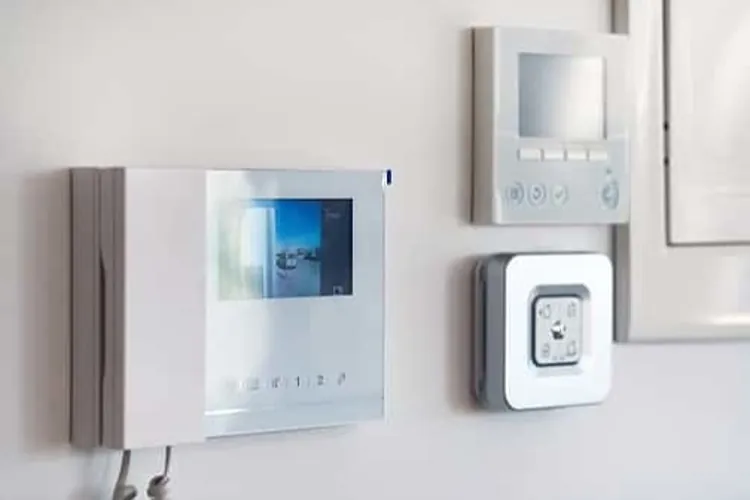
In addition to a robust security system, the most effective security upgrades for deterring burglars include stronger locks, more durable doors, motion-activated lighting and strategically placed cameras. Costs can vary widely, from a few hundred dollars for low-budget DIY solutions to several thousand dollars for comprehensive security systems with advanced features.
| Upgrade | What it helps with | Cost range | DIY or professional |
|---|---|---|---|
| Doors | Stronger protection and resistance to forced entry | $1,000 to $20,000 | DIY for basic replacement or professional for more robust upgrades |
| Locks | Improved lock security | $15 to $400+ | DIY for deadbolts or a locksmith for complex installs, including smart locks |
| Strike plates | Reinforces door frames against brute-force entry | $5 to $15 | Easy DIY upgrade |
| Lighting | Increases visibility and intruder deterrence | $80 to $6,000+ | DIY for simple motion lights; electrician for wired systems |
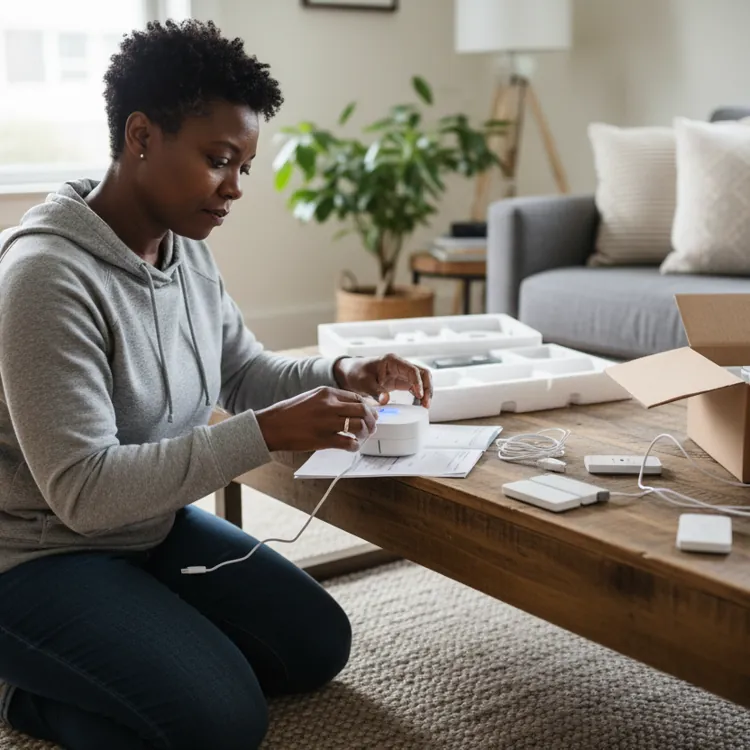
| Alarms | Intruder detection and audible/visual emergency alerts | $20 to $1,000+ for equipment, $0 to $260 for installation and $10 to $70 per month for professional monitoring | DIY wireless systems available; professional installation for monitored systems |
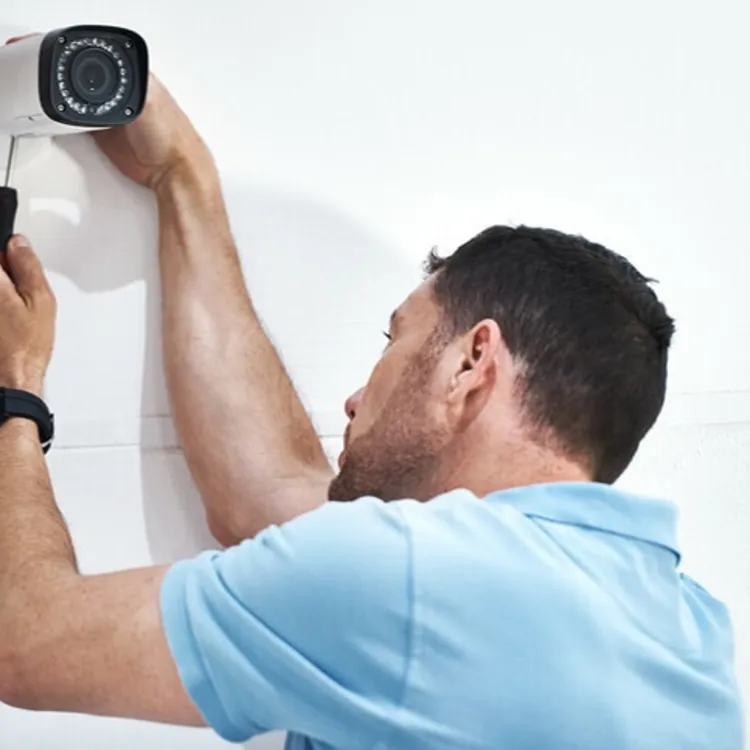
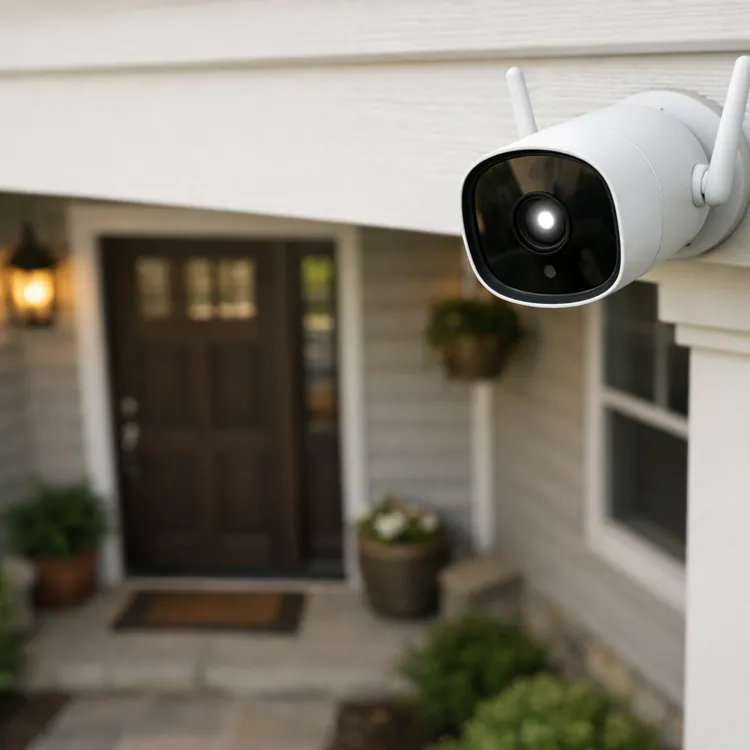
| Cameras | Visible deterrence and video surveillance for evidence | $60 to $240 per camera (indoor and outdoor) | DIY-friendly wireless cameras or hardwired systems installed by a professional |
| Dogs | Early warnings and psychological deterrence | Ongoing care + $1,500 to $4,500 for professional training | DIY or professional dog training |
The best home security systems feature professional monitoring, real-time mobile alerts, smart home integration and reliable protection against intrusions, fires and other emergencies. While your homeowners insurance won’t cover the cost of a home security system, installing one may help you unlock discounts. Check with your insurance provider to see if this discount is available to you.
FAQ
What is the best thing to do during a home invasion?
The best thing to do during a home invasion is to get to a secure room, lock the door and immediately call 911. Stay quiet and avoid confronting the intruder as you wait for the police to arrive.
How long do home invasions usually last?
The average home invasion usually lasts only a few minutes, as most burglars want to avoid getting caught. Calling emergency services as soon as possible can help reduce the amount of time you need to stay hidden and quiet.
What should you do if someone breaks into your house and you are alone?
If someone breaks into your house and you are alone, move to a safe room and call 911 right away. Escape quickly and quietly to a safer location if possible.
Is it legal to use deadly force during a home invasion?
Legal use of deadly force during a home invasion varies by state. While certain circumstances might be covered under the castle doctrine or “Stand Your Ground” laws, it’s best to speak to an attorney for clarification.
What are the warning signs that your home might be targeted?
Warning signs that an intruder might target your home include one or more strangers repeatedly watching your house, evidence of tampering with door locks or windows and suspicious vehicles lingering nearby.
Article sources
ConsumerAffairs writers primarily rely on government data, industry experts and original research from other reputable publications to inform their work. Specific sources for this article include:
- Federal Bureau of Investigation, Criminal Justice Information Services Division, Uniform Crime Reporting Program, "Crime Data Explorer." Accessed May 1, 2026.
- Federal Communications Commission, "Text to 911: What You Need to Know." Accessed May 1, 2026.
- Petsies, "How to Secure Your Pets From Intruders." Accessed May 1, 2026.
- International Association of Certified Home Inspectors, "Safe Rooms (Panic Rooms)." Accessed May 1, 2026.