
Why do I need a home security system?
Real security systems offer a variety of features, not to mention peace of mind. Kimma, a ConsumerAffairs reviewer from California, raves about hers: “I’ve been looking for a security system that checks off everything on my list: recording with audio… and a system that can operate even if Wi-Fi is down. Completely secured all my point entries on the bottom floor. Secured all my windows and cameras at every angle.”
Even if it doesn’t deter the intruder, a system will alert you to an intruder and call for emergency services. If you don’t want to go all in on a security system, however, security cameras may be the answer.
According to security company ADT, the most common home break-in entry points are front doors, first-floor windows, back doors, garage doors and basements.
“Security cameras can provide an extra set (or more) of eyes around your property, as well as much-needed peace of mind,” said Abhi Bhatt, senior vice president of product and innovation at Vivint. “You can check your security cameras from your phone and then act, if needed.”
Key home security system components
A home security system combines hardware, monitoring and smart placement to detect threats and alert you quickly. Understanding how each piece works together can help you choose a setup that fits your home’s size, layout and risk level.
Core hardware and sensors
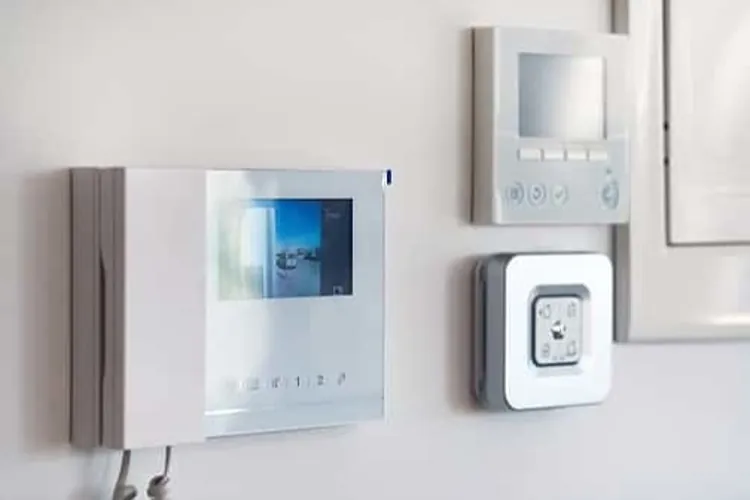
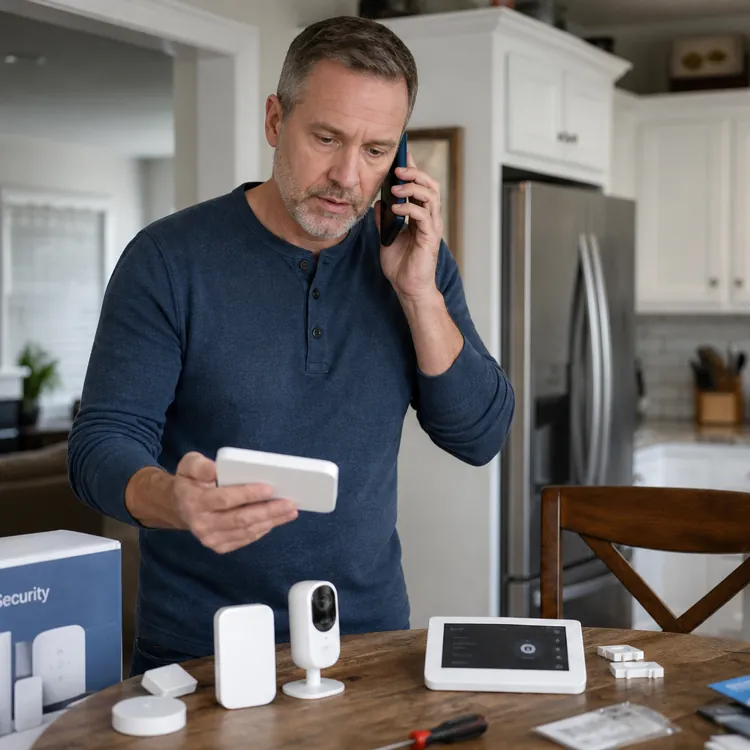
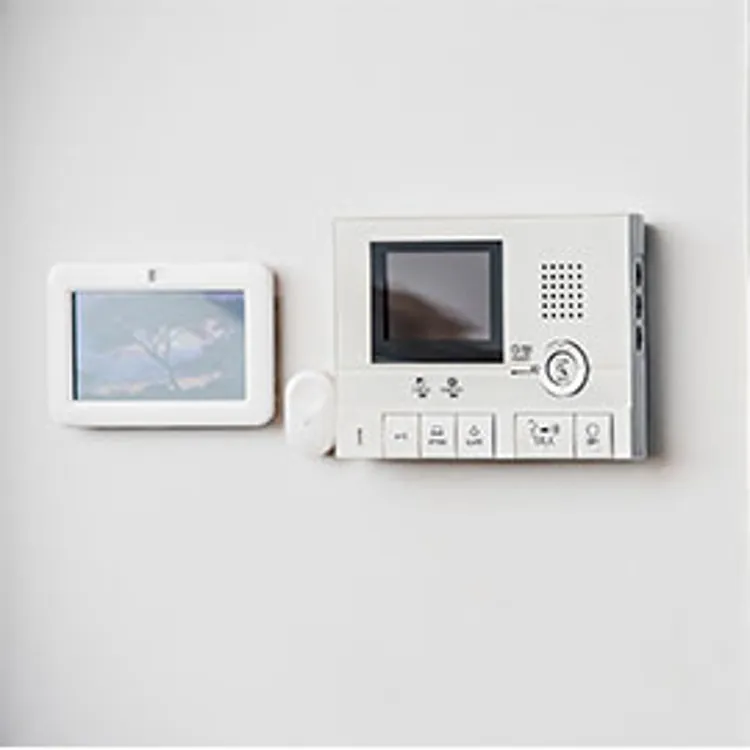
Most systems start with a control panel, which acts as the central hub for all devices. This panel connects to door and window sensors that trigger alerts when an entry point is opened. Motion sensors are typically placed in main living areas or hallways to detect movement when the system is armed.
Glass-break sensors can identify the sound frequency of shattering glass, making it ideal for rooms with large or easily accessible windows. Many systems also include indoor or outdoor sirens designed to deter intruders once a breach is detected.
Additional components can include security cameras, smart locks and environmental sensors (for smoke, carbon monoxide or water leaks). Together, these devices create multiple layers of detection, helping ensure that both perimeter and interior activity are monitored.
Monitoring and professional services
Once a system detects a potential threat, monitoring determines how that alert is handled. With professional monitoring, a third-party service receives alerts and can contact emergency services on your behalf. This option provides 24/7 oversight, even if you’re unavailable.
Self-monitoring, on the other hand, sends alerts directly to your smartphone through an app. While this can reduce monthly costs, it requires you to respond to notifications in real time. Some systems offer a hybrid approach, allowing you to self-monitor with the option to upgrade to professional monitoring if needed.
System sizing and placement
Your home size affects how many devices you’ll need and where to place them. For small homes or apartments, focus on securing main entry points and high-traffic areas:
- Door/window sensors on all exterior doors and accessible windows
- One to two motion sensors in central spaces
- A video doorbell or front-facing camera
For medium-sized homes, you’ll need broader coverage:
- Sensors on all exterior doors and first-floor windows
- Multiple motion sensors across living areas and hallways
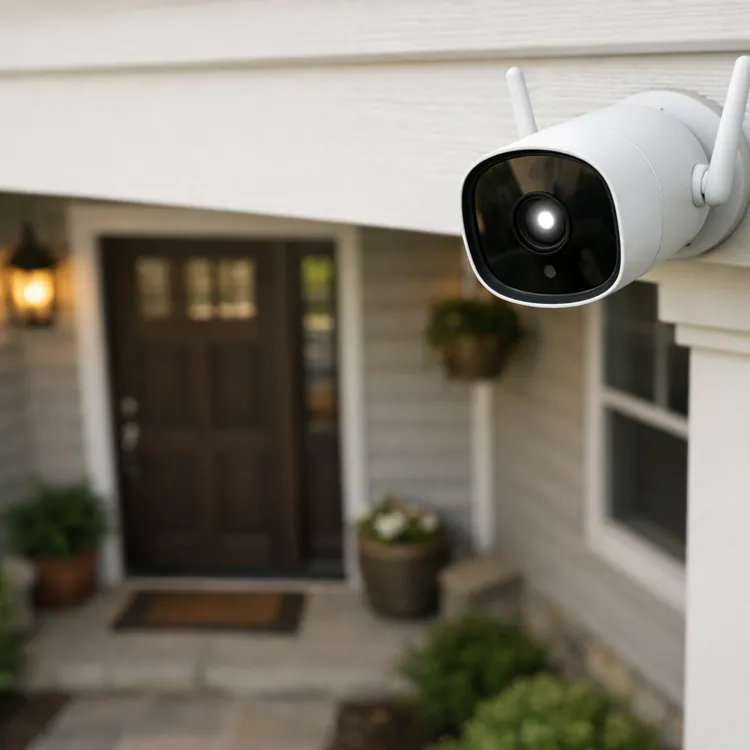
- Cameras covering entry points, driveways and backyard access
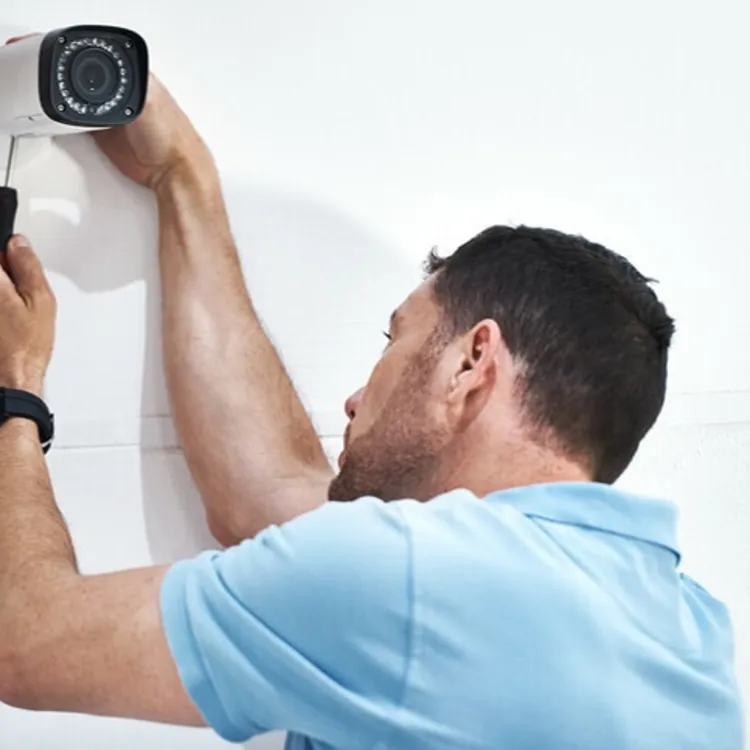
Camera placement is key for any home size. Position cameras at main entrances, above garages and in areas with limited visibility, like side yards. Indoor cameras can monitor common areas, but avoid placing them in private spaces. Proper sizing and placement ensure your system provides full coverage without unnecessary gaps.
Securing your entry points
The most vulnerable entry points to your home are the windows and doors. Your first step to a more secure home is shoring up these areas.
Doors and windows
According to ADT, 34% of burglars use an unlocked front door and 23% use a first-floor window to break into your home. Locking your doors and windows seems simple, but many people don’t do it because they feel safe in their neighborhood. They don’t realize the danger until someone breaks in.
If you have a family member or roommate who consistently forgets to lock the door, install a smart lock that automatically locks when the door is closed. Many smart locks have this as a standard feature.
Now that you’re locked up, it’s time to make sure the thieves can't make it through the locks. Here are some ways to make your doors and windows stronger.
Change your locks
There are likely multiple sets of keys to your doors floating around, especially if you just moved into your home. You have no way of knowing to whom the previous homeowners gave spare keys.
“Many people focus on the front doors, but make sure you change the locks on all your exterior doors as well,” Bhatt said. “Also, by upgrading to a smart lock, securing your doors and changing your locks is much easier.”
With smart locks, you can quickly lock or unlock your door via a code on a keypad or remotely with your smartphone. Because they eliminate the need for a physical key, smart locks make changing your locks as easy as programming a new code.
Keep a barrier between you and the outside
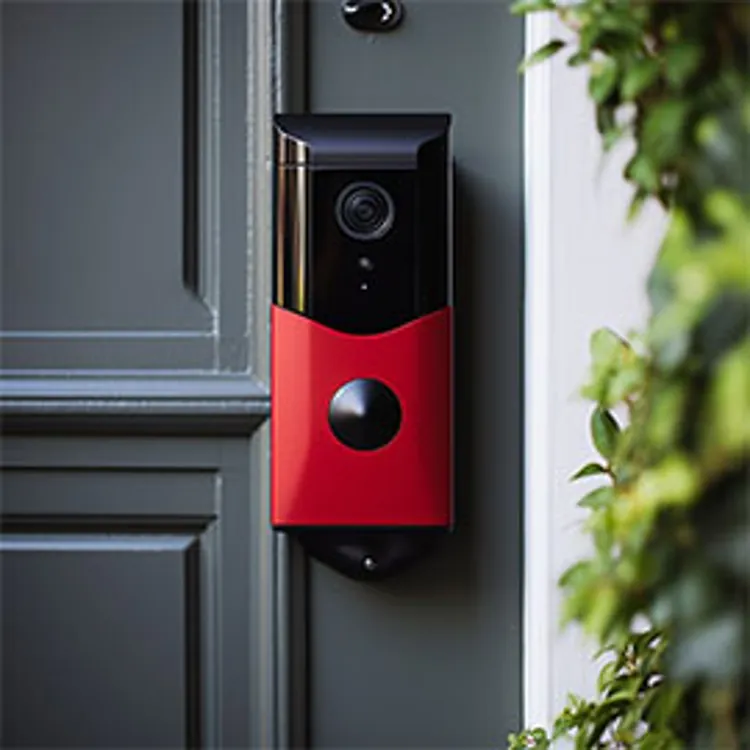
Check to see who is at your door without unlocking it to prevent a forced entry. Improve your front door security by installing a peephole or video doorbell. They allow you to see unexpected visitors and are far more secure than a glass window or smaller opening.
Fortify your doors
Although most people imagine burglars carefully using lock picks to gain entrance through a door, they usually just knock it down using brute force. You can help defend against this by reinforcing your front door with a door reinforcement plate and a door jamb reinforcement kit.
These two kits are simple enough for do-it-yourself installation with basic home tools and a little bit of time. Also, replace hollow exterior doors with solid-core doors made of metal or wood for additional protection.
Reinforce sliding glass doors
Keep sliding doors secured with a safety bar to the interior floor track. Burglars love sliding doors because they typically have a flimsy latch that isn't enough to keep them firmly in place. With a simple yet forceful kick to the bottom of the slider, criminals can gain leverage and open the door.
We also recommend you use a floor bolt or a foot lock for additional security.
Use pin locks
Installing pin locks keeps windows partially open but still secure. Advanced pinless models are also available.
Employ natural defenses
Use your landscaping to make it more difficult for intruders to hide or break into your home. Avoiding landscaping that creates shadows near your home helps increase visibility, and planting prickly bushes or shrubs under windows creates a barrier for anyone trying to enter your home.
Install sturdier glass
Use impact-resistant safety glass in windows and doors — this is particularly a good idea for windows that are right next to door locks. The sturdier glass will make it harder for someone to break the window, reach in and unlock the door.
If installing new glass isn’t in your budget, consider using security window film. It makes your windows stronger and harder to break.
“In the event of breakage, safety film creates a safe shatter that bonds glass shards together, much like a car windshield,” said Brent Windsor of Window Genie.
» DISCOVER: Best window and door companies
Garage security
The garage is another vulnerable entry point for burglars because of the door’s weakness. It can be relatively easy for intruders to jimmy a latch and lift, punch or kick the door in. Make sure you always keep the garage door down, the latch locked and your interior door secured.
Whatever you do, don’t leave your garage door opener clipped inside your car if you keep your car outside. It’s too easy for thieves to smash your window and gain access to your garage with a simple button press.
Consider investing in a home automation system that automatically shuts your garage door after you open it. Motion-activated floodlights in the garage could also help deter intruders.
Try to unplug the garage opener when you go on vacation. Even better, lock the door itself so burglars can’t lift it. For an inexpensive DIY project, you can just drill a hole in the track right above a roller and use a padlock to lock it.
Some security systems have what are called “tilt sensors.” They let you know when the garage door has been opened. They’re a smart buy to reinforce the security of your garage doors.
Basement vulnerabilities
Basements are a common entry point due to low visibility and weaker access points. To improve security, install reinforced window wells with lockable covers, add window bars (with interior quick-release) and use glass-break and motion sensors to detect activity.
For basement doors, upgrade to solid-core or metal doors and reinforce the door jamb with a strike plate and 3-inch screws. Adding a deadbolt and door sensors can further strengthen protection and help alert you to unexpected entry.
Protecting against package theft
Package theft is a growing issue, especially for homes with visible front entries. A layered approach can help reduce risk and improve visibility around deliveries.
Start with these six defenses:
- Install a porch camera or video doorbell to monitor activity
- Add delivery instructions (e.g., “leave behind planter” or side door)
- Use a lockbox or secure delivery container
- Schedule deliveries for when you’re home
- Ask a trusted neighbor to accept packages
- Request carrier holds or pickup at a local facility
For real-time monitoring, enable delivery alerts from retailers and carriers so you know exactly when a package arrives. Pair this with motion notifications from your camera to quickly check activity and bring items inside as soon as possible.
It’s also important to distinguish between package theft and mail theft. While packages are typically delivered by multiple carriers, mail theft involves items handled by the United States Postal Service. Services like USPS Informed Delivery let you preview incoming mail and track deliveries, helping you spot missing items more quickly.
Home security for renters
Securing a rental or shared living space comes with unique challenges, especially when permanent modifications aren’t allowed. Fortunately, many modern security solutions are designed to be flexible and noninvasive.
For renters, focus on nonpermanent options:
- Portable door and window alarms that attach with adhesive
- Tension-mounted or wireless cameras that don’t require drilling
- Smart locks or door sensors that can be installed and removed easily
In multiunit buildings, shared entrances can be a weak point. Look for ways to increase awareness, such as coordinating with neighbors to report suspicious activity or ensuring entry doors are properly secured and not left propped open. If your building has a buzzer or access system, avoid granting entry to unknown visitors.
If you notice broken locks, poor lighting or security concerns, report them to your landlord or property manager promptly. Renters have the right to a reasonably safe living environment, and documenting issues can help ensure they’re addressed.
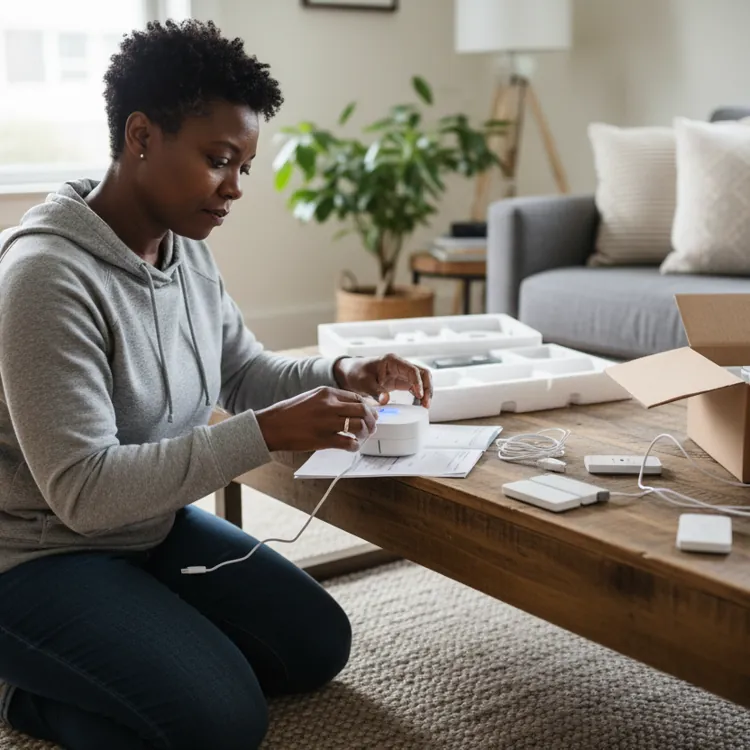
Smart home devices can also add protection without permanent installation. Many systems connect via Wi-Fi and plug into standard outlets, making them ideal for renters who want added security without altering the space.
FAQ
Does home insurance cover home security systems?
While home insurance will not cover the cost of a home security system, some companies will offer discounts on coverage if you have one in place.
What time do most break-ins happen?
According to ADT, it is most common for burglaries to happen between 10 in the morning and 3 in the afternoon. While many anticipate home break-ins at night, they are actually more common during the day.
How much does a home security system cost?
Professional monitoring typically costs $20 to $50 per month, averaging around $35. Installation can range from free to about $199, depending on the provider. Equipment costs generally fall between $100 and $1,000 or more, based on the system size and features.
Article sources
ConsumerAffairs writers primarily rely on government data, industry experts and original research from other reputable publications to inform their work. Specific sources for this article include:
- ADT, “How Do Burglars Break into Houses?” Accessed April 25, 2026.
- The University of North Carolina at Charlotte, “Understanding Decisions to Burglarize from the Offender's Perspective.” Accessed April 25, 2026.