


Key insights
Standby generators add 3% to 5% to your home value in outage-prone markets, while portable units contribute little to appraisal figures.
Jump to insightBuyers prioritize generator type, fuel type, capacity, maintenance records, professional installation and remaining warranty coverage when evaluating generator value.
Jump to insightAppraisers assign contributory value based on local demand, comparable sales and the generator's condition, often crediting 40% to 70% of installed cost.
Jump to insightWhich generators add value to your home?
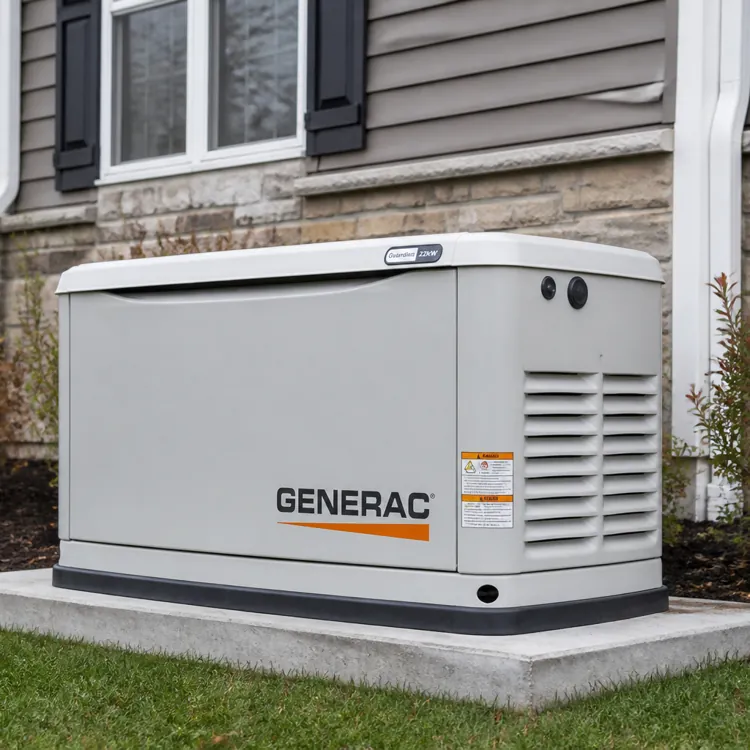
On average, standby generators can increase home value by between 3% and 5%, which means they can add $13,500 to $22,500 to the average home in the U.S. Whole-house generators cost an average of $10,000 to $25,000 to install, so you can expect between a 90% and a 135% return on investment (ROI).
Portable generators, which cost between $300 and $3,000, don’t usually add to your home value. They are much less convenient and can only power individual appliances or devices. While they can be useful for emergency backup, homeowners more often take portable generators with them if they move.
When a generator becomes a selling point
Whole-house generators are likely to increase the value of your home when the following applies:
- You live in an area with an unreliable grid
- You live in a rural area where outages can take longer to fix
- You live in an area that sees inclement weather that contributes to frequent outages
- Your home is off-grid and relies on renewable energy and generator power for electricity
- Your home is on well water and relies on electricity for its water supply
Additionally, individual buyers are likely to pay more for a home with a standby generator if any of the following apply to their situation:
- The buyer works from home, and every outage means a risk of lost wages
- The buyer or someone in their family relies on electricity for life-saving medical equipment
- The buyer has young children
» RELATED: Solar-powered homes and generators
What determines a generator’s value to a home?
The value add of a standby generator can vary widely depending on a few key factors. You should consider all of the following to determine what kind of ROI you can reasonably expect from your standby generator, as these are what buyers and appraisers will generally consider.
Outage frequency
If you live in an area that sees frequent power outages, buyers will see significantly more value in the peace of mind and promised comfort a standby generator provides. States along the coasts and those that see heavy snowfall, tornadoes and other natural disasters tend to be locations where generators are most valuable.Fuel source
Natural gas and propane are the two fuel options for standby generators, and the value each adds also depends on your location. Natural gas is generally preferable, as it’s more affordable and doesn’t require tank refilling for emergency preparedness. Propane is preferred in areas where seismic activity or other natural disasters could interrupt natural gas supply lines.Fuel source also influences the cost to install your whole-house generator, so this can affect your ROI as well.
Fuel storage capacity
If you do have a propane standby generator, larger tanks will typically mean greater value add, as they allow for longer periods of backup power during emergencies. Expect a slight decrease in value, though, if your generator shares a propane tank with your heating system or appliances, since these can decrease runtime during outages.Generator capacity
The size of your generator affects value because it determines how useful your unit is during outages. Whole-home generators that are sized to cover all of your electricity needs will add the most value, while smaller units for emergency power only are more affordable but add less value.Age and remaining useful life
Buyers and appraisers will consider how old your generator is and how much of its lifespan it has remaining. Standby generators last for 15 to 25 years, on average, and the more life your unit has left, the more a buyer will likely be willing to pay for it.Ongoing maintenance records
Homeowners who have maintenance records for their generators will usually get more value from them in the sale of their homes. Savvy buyers understand that a well-maintained generator is more likely to continue to serve them after closing.Warranty status
The best home generators come with solid warranty coverage, and buyers will usually be willing to pay more for the peace of mind they get from a generator warranty that’s still intact. Double-check how long your generator warranty lasts, and make sure the warranty is transferable.Whole home vs. dedicated circuit
Standby generators can either power your entire home or a dedicated circuit that serves emergency systems and appliances only. You’ll usually see more value from a whole-home generator than one that just handles well pumps, lighting and the refrigerator.Automatic transfer switch installation
Most standby generators have an automatic transfer switch (ATS) that triggers the generator to turn on in the event of a power outage. You could save money on the installation by choosing a manual switch, but these are less convenient — and will lower the value of your unit.Code compliance
Generators that have proper permits are usually more valuable to buyers and appraisers because code compliance means safety and legality, both of which are valuable to buyers when purchasing a home.Installation location
Where your standby generator is installed can affect value, too. They’ll always take up some space in your yard, but they’re typically more valuable when they don’t detract from otherwise usable outdoor spaces, like porches, patios and decks.» MORE: Best whole-house generators
Appraisal and ROI expectations for your generator
A buyer will determine the value of a standby generator based on how the unit will serve them and add to or detract from their enjoyment of the property. But appraisers take a much more scientific approach. While they don’t have a predetermined premium a buyer is willing to pay for a standby generator, they use comparable sales to get an estimate.
Your generator’s value depends partly on what buyers are paying for similar homes nearby.
Comparable sales and comparable listed properties, collectively called “comps,” are other properties in the local market that sold recently, usually within the last 90 days, or are currently listed. Appraisers will use other market data they have to balance property value based on other factors to ensure any pricing differences are based just on the presence of a generator.
The appraiser will then use any remaining difference in the values to see how desirable standby generators are in your area. They may adjust your expected value add based on the following factors and how they compare to those same factors in the comps.
- Your generator’s age and overall condition
- Depreciation curves based on estimated lifespan
- How outage-prone your particular property is
- How well you’ve kept up with generator maintenance
- Remaining warranty period
- How the unit’s location affects yard usage and property enjoyment
Generator mistakes that reduce resale value
Even if you’re installing a standby generator solely for the peace of mind it will provide for you and your family, it’s still wise to consider how the unit and installation options you choose will affect the resale value down the road.
There are a few things to think about that can have a negative impact on the generator’s value.
If you skip permits, you might create a liability for future buyers
Permits are required for standby generators and can add up to $500 to your installation costs. Skipping them can lead to code violations, expensive corrections and potentially unsafe installations, making buyers see more risk than benefit.
If you handle the install, buyers may question the quality of the work
Standby generators require fuel-line connections and electrical system integration, both of which demand professional installation. A DIY installation could raise red flags during an inspection or even cause buyers to pass on your property.
If you choose a poor location, the generator could become a drawback
A professional installer can help you choose a location that minimizes noise and keeps the unit away from flood-prone areas and usable outdoor spaces. They’ll also ensure the generator sits on a level concrete pad and has proper ventilation.
If you buy too small, you could limit convenience and resale value
A smaller unit may save you money upfront but won’t provide as much backup power. Have a professional size your generator based on your current electricity needs and potential future demand.
If you neglect maintenance, your unit’s condition and value can decline
Without regular maintenance, a standby generator may become noisier and have a shorter useful life. Keep up with recommended service and retain your maintenance records for future buyers.
If you undersize a propane tank, you may shorten runtime
Size your fuel storage for several days of backup power, and consider whether the tank is dedicated to your generator or shared with other appliances and systems.
If you choose a manual transfer switch, you may sacrifice convenience
Automatic transfer switches are always preferable because they’re more convenient, despite adding $600 to $1,200 to your installation costs.



FAQ
Is a whole house generator a tax write-off?
A whole-house generator is usually not a tax write-off because it’s not an energy efficiency improvement, nor does it count as battery storage. If you use a portion of your home as an office, you might get a partial write-off. Speak with an accountant for details about your situation.
Does a generator reduce homeowners insurance?
A generator may reduce homeowners insurance, but it depends on your coverage and your insurer. Some providers offer a discount if your policy covers damages or losses caused by a power outage since your generator might help mitigate the risk. Speak with your insurance agent for more information about your policy and potential savings.
How much is a generator for a 2000 sq ft house installed?
Most homes need a standby generator that’s between 12 and 20 kilowatts, which averages between $10,000 and $25,000 to install, including materials and labor. Your exact costs will depend on your home and property size, how much backup power you need, fuel source and much more. Contact a professional installer for a more accurate and personalized estimate.
Is a standby generator worth it?
A standby generator can be worth it for the peace of mind alone, especially if you or someone in your home relies on electricity for medical equipment or you live in an area prone to frequent outages. It can also increase your home’s value, sometimes providing more than a 100% ROI in high-risk areas.
That said, not every buyer will place the same value on backup power, so there’s no guarantee a generator will make your home more appealing. But even if it doesn’t pay for itself at resale, you can still get your money’s worth from the comfort and security it provides.
Article sources
ConsumerAffairs writers primarily rely on government data, industry experts and original research from other reputable publications to inform their work. Specific sources for this article include:
- Levi Rodgers Real Estate Group, "Can a Generator Add Value to Your Home? ROI, Resale & Impact." Accessed Aug. 21, 2026.
- Sunset Air, "Is a Whole House Generator Worth it?" Accessed Aug. 21, 2026.
- Federal Housing Finance Agency, "FHFA House Price Index Up 0.3 Percent in May; Up 2.2 Percent from Last Year." Accessed Aug. 21, 2026.
- World Population Review, "Power Outages by State 2026." Accessed Aug. 21, 2026.