

Compare our top 3 cheap walk-in tub companies
| Company | Customer rating | Step-in height | Number of jets | Discounts available | |
|---|---|---|---|---|---|
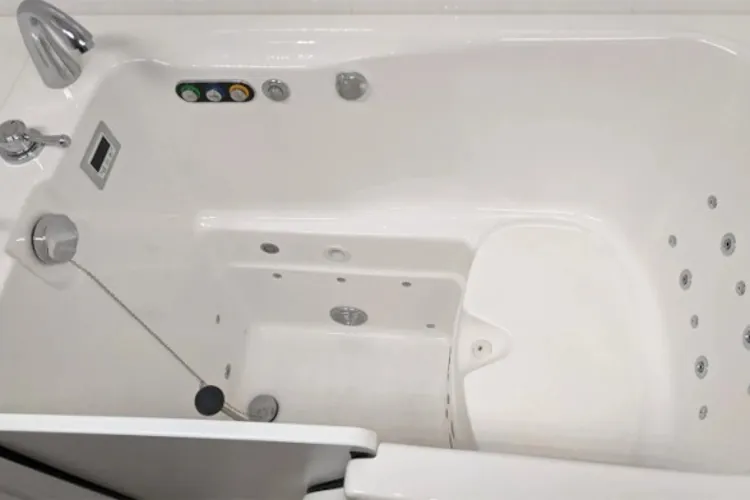
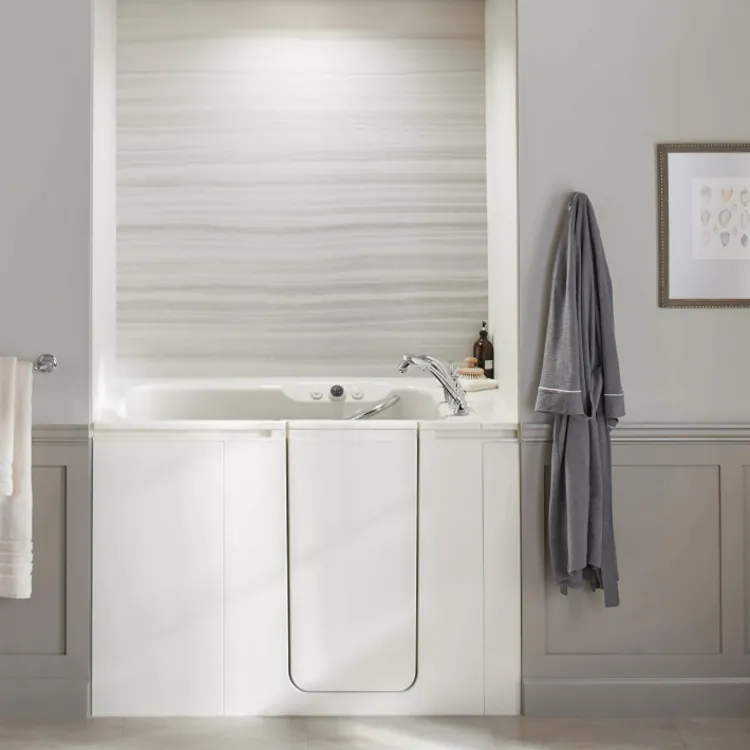
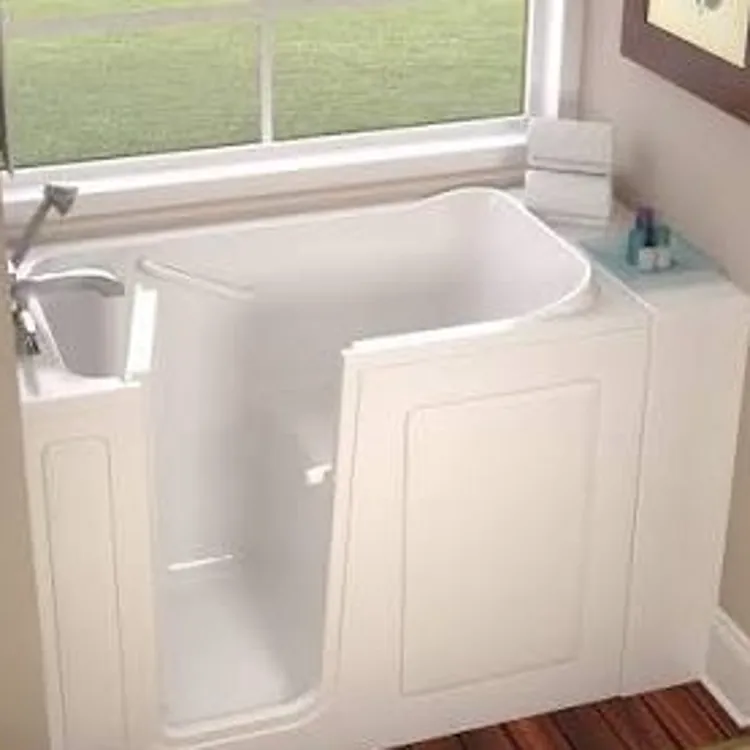
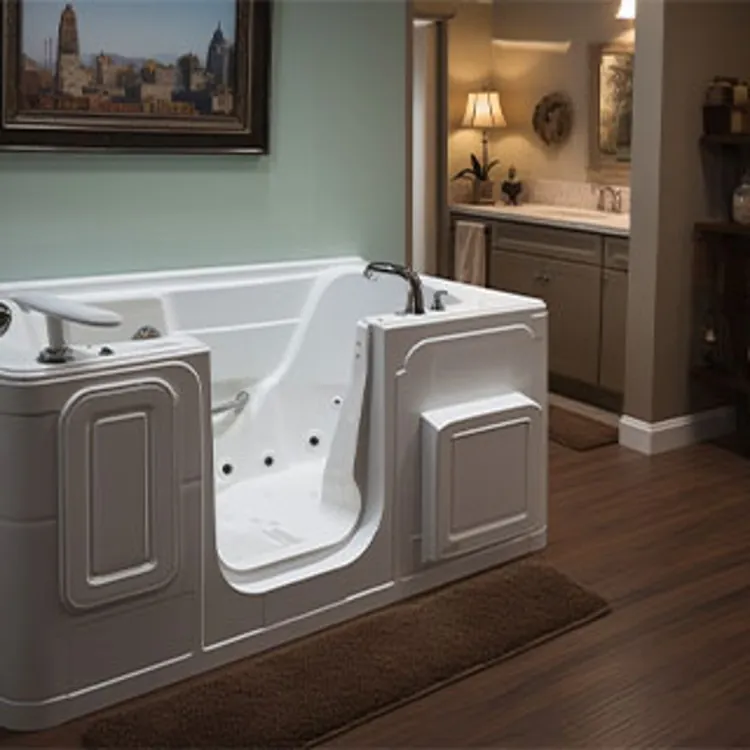
 Safe Step Walk-In Tub | Get Started | 4.9 | 4 inches | 16 air jets; 10 hydro jets |  |
 Boca Walk-In Tubs | Learn More | 4.3 | 2 inches | 18 air jets; 10 hydro jets | |
 Ella's Bubbles | Get Started | 4.5 | 4 inches (most basic model) | 16 air jets; 19 hydro jets | |
More details on our top cheap walk-in tub companies

- Financing available
- Undisclosed
- Installation
- In-house
- Customizations
- Door placement; wall surround and faucet colors

- Financing available
- Yes
- Installation
- In-house
- Customizations
- Door placement; tub/faucet colors; rainfall showerhead; bidet

- Financing available
- Financing partners include Mobility Trust, Synchrony, Klarna and PayPal
- Installation
- In-network installers
- Customizations
- Door and drain placement; therapy options
What to consider when buying a cheap walk-in tub
When you work directly with a walk-in tub company, it’ll typically send a technician to inspect your house, discuss your options and prepare a detailed estimate. Whether you choose to purchase a tub and install it yourself or use a third-party contractor, there are several things you should consider to ensure you’re satisfied with your purchase.
Installing a walk-in tub can be difficult even if you are a trained professional, said Jamin Katzer, senior construction manager at Earth Saving Solutions.
One issue is finding someone to install the tub, as one American Standard customer from Texas who left a review on our site discovered:
“I decided to try American Standard and they have them at Lowe’s and Home Depot, but they said they had installers available and they didn't. … It was difficult finding somebody who wasn’t with American Standard to install it,” they said. “When I finally got two people to quote the installation, they seemed rather reluctant and not all that interested, so I went with American Standard and the installers were great.”
(Note: American Standard didn’t make our top three, but it did rank fourth in our roundup for the best cheap walk-in tubs.)
Working with a walk-in tub company that can connect you with a network of contractors with experience installing walk-in tubs like yours can make the process easier and reduce the amount of extra work you might spend finding an installer.
You should also ensure your water heater is large enough to provide sufficient hot water to fill your tub, find out if your home’s structure can support the tub and check whether the tub is the proper size for you and your bathroom.
Using an unlicensed installer may void your new tub’s warranty, so be sure to choose a qualified contractor and check with the manufacturer about how to keep your warranty’s terms in force.
» READ MORE: Questions to ask a walk-in tub company
How much do walk-in tubs cost?
While you can buy soaker tubs online or from brick-and-mortar retailers for starting prices of around $2,000 to $5,000, these tubs are often basic models without popular features like hydrojets or quick draining. They also often have shorter warranties that last from one to three years, while most premium walk-in tub manufacturers offer much longer warranties.
However, if you choose to buy a tub and have it installed yourself, tubs from medium to top-of-the-line companies that provide lifetime warranties and feature hydrotherapy can average $10,000 to $15,000, Dominic Telymonde, vice president of sales for Boca Walk-in Tubs, said.
On the other hand, special models like bariatric tubs, designed for people who are larger, or combination (air and water) walk-in tubs start closer to $12,000 and can cost up to $20,000 or more if you add a shower unit, Telymonde said.
» MORE: Alternatives to walk-in tubs
What affects the price of a walk-in tub?
Finding exact costs can be difficult when shopping for walk-in tubs — many companies require an inspection of your home for an accurate quote. Your home’s layout, the location of your bathtub and your current plumbing can all affect the total price.
If you purchase a tub that does not include installation, you’ll need to budget to have a local contractor install the tub in your home. That can add several thousand dollars to the total cost.
In either scenario, it’s essential you know exactly what’s included in the price and how other factors affect the overall cost.
- Features: Most walk-in tubs have optional features that can add thousands of dollars to the price. The most expensive are hydro or air jets, but any add-ons, such as chromotherapy, durable coatings, foot massage jets or heated seats, increase the cost.
- Size: In general, larger tubs cost more. Most manufacturers offer a range of sizes to accommodate the available space in your bathroom and your individual needs. If you need a larger tub, you’ll pay more upfront and may have additional costs if your space needs to be expanded or your plumbing needs to be modified.
- Installation costs: Installation costs are nearly impossible to predict without an estimate. The best way to get an accurate quote is to have a licensed technician inspect your space. If your new walk-in tub can fit easily into your existing space, your total costs will be lower. However, if the contractor needs to create more space, update old plumbing lines or install a larger water heater, your costs will be higher. This is why almost no manufacturer will advertise a set installation price (and none of our top three choices do).
- Available health care benefits: Most health plans, including Medicare, generally don’t cover the costs of a walk-in tub. However, disabled veterans may be able to receive funding through the Department of Veterans Affairs Home Improvements and Structural Alterations (HISA) benefit, a Specially Adapted Housing (SAH) grant or a Special Home Adaptation (SHA) grant.
- Tax deductions: You may be able to write off the cost of a walk-in tub on your yearly taxes if it’s deemed a medical expense. Currently, you can write off any medical expense that exceeds 7.5% of your adjusted gross income.
Types of walk-in tubs
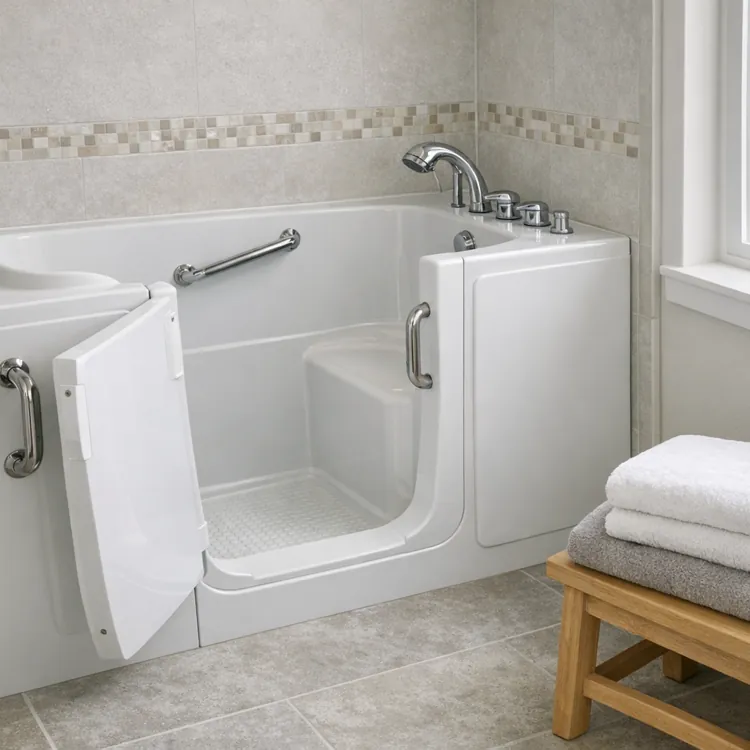
Walk-in tubs come in several designs to match different mobility needs, comfort preferences and budgets. While all models include a watertight door and built-in seating, the features, therapy options and sizing can vary widely. Understanding the main types can help you narrow down what fits your space and daily routine.
Soaker and standard models
Soaker tubs are the most basic and affordable option. They feature a deep basin, built-in seat and easy-entry door, but no jets or massage systems. These models focus on safe bathing rather than therapy, making them a good fit for buyers who want a straightforward upgrade from a traditional tub. They’re also typically easier to maintain and install, with fewer components that require upkeep.
Hydrotherapy and whirlpool tubs
Hydrotherapy or whirlpool tubs use water jets to create a targeted massage effect. These jets can help ease muscle tension, joint stiffness and general soreness, which is why they’re often chosen by people with arthritis or chronic pain. However, they require more maintenance than basic models, including regular cleaning of the jet system to prevent buildup. They also tend to cost more upfront.
Air-jet and combination tubs
Air-jet tubs use streams of warm air instead of water jets to create a gentler, more relaxing massage. This system produces smaller bubbles and a softer sensation, which some users prefer over stronger hydrotherapy jets. Combination tubs include both air and water jet systems, offering more flexibility. While versatile, these models are usually priced higher and may require more maintenance due to the dual systems.
Bariatric and wheelchair-accessible models
Bariatric and wheelchair-accessible tubs are designed for users who need extra space and support. These models typically feature wider doors, larger seating areas and higher weight capacities. Some include outward-swinging doors or roll-in designs for easier wheelchair transfer. They’re often used in homes with more advanced mobility needs and may require additional bathroom modifications to install properly.
What walk-in tub features do you need?
Most basic walk-in tub models are soaker tubs with no additional features. While these tubs offer standard safety features and therapeutic value, you may want to add hydrotherapy or air jets, shower attachments or quick-drain and -fill options. While these increase the cost of the tub, they also add to your overall bathing experience.
- Hydrotherapy/air jets: Air and water jets promote relaxation and provide massage benefits while helping with arthritis, muscle soreness and circulation.
- Shower attachments: Adding a hand-held showerhead or installing a model with a shower stall gives you more options and may help with your home’s future resale value.
- Extremely low step threshold heights: A standard walk-in tub usually has a step-in height of around 6 inches, but some manufacturers offer 2- or 3-inch step thresholds that make it easier to get into the tub.
- Fast drain/fill features: Walk-in tubs have a deeper soaking basin than standard tubs and can take longer to fill and drain. Fast-drain and -fill features speed these processes up and limit the amount of time you have to sit in the tub before and after your bath.
- Heated seats: Heated seats can further increase your relaxation and comfort, especially as the tub fills and drains.
- Chromotherapy: Colored LED lights can fill the tub with just one color or rotate through the rainbow to provide a relaxing environment.
- Aromatherapy: Specially designed aromatherapy systems can transform your bath into a spa-like experience.
Is a walk-in bathtub worth it?
There’s no one-size-fits-all answer to whether a walk-in tub is worth it — it depends on your specific needs and your available funds. If you are a senior concerned about safety, have a disability that causes mobility issues or have a health condition that could benefit from walk-in tub use, you should consult with your family or doctor about the advantages of a walk-in tub.
Be sure to consider the total price of installing a walk-in tub (not just the tub price). Installation can add several thousand dollars to the cost.
You should also make sure you’re aware of the total costs before signing any contract. Remember that most listed prices are for the tub alone and don't include shipping or installation.
You should also consider how installing a walk-in tub will affect the future resale value of your home. If you’re planning to move in the next year or two and only have one bathroom, a walk-in tub may discourage future buyers.
However, if you have more than one bathroom and your neighborhood is popular with retirees (or young families interested in having an indoor hot tub!), it could end up being a selling point. When all's said and done, if you have the space and the budget for it — especially if it aids in your safety or health needs — then it’s likely worth it.
» LEARN MORE: Pros and cons of walk-in tubs
FAQ
Do walk-in bathtub companies offer financing?
Many tub manufacturers offer financing assistance either directly through the company or by partnering with third-party financing companies. Companies may also offer rebates or discounts at specific times of the year, and there are financial assistance programs you can use.
Can I take out a personal loan to purchase a walk-in tub?
You can take out a personal loan for a walk-in tub. You’ll need to go through a bank, credit union or online lender to get pre-qualified or preapproved and find out how much you can borrow.
What are alternatives to buying a walk-in tub?
There are many easy-to-install products to make your bathroom safer, including nonslip mats, grab bars and shower seats. Additionally, some walk-in tub companies sell bathtub modification kits that require cutting a doorway in your existing bathtub wall and replacing part of the tub wall with a watertight door.
Do walk-in tub prices include installation costs?
It’s rare to see a list price for a walk-in tub that includes installation costs. No manufacturer or retailer can possibly know the plumbing and space needs of a prospective customer; for this reason, most require an in-home consultation before giving a quote.
Bottom line
A walk-in tub can transform your bathroom into a luxurious and relaxing retreat. It also offers a way for seniors and those with mobility issues to independently care for themselves. However, the total cost can run you anywhere from $3,500 to more than $20,000 once you include installation, so it’s not a purchase to be taken lightly.
Before you buy a walk-in tub, consider all your options, read reviews, consult with your doctor about your health concerns and get quotes from at least two to three companies before settling on a model. There are high-quality tubs available for relatively affordable prices, but you may have to forgo a few bells and whistles to get the price to fit your budget.