

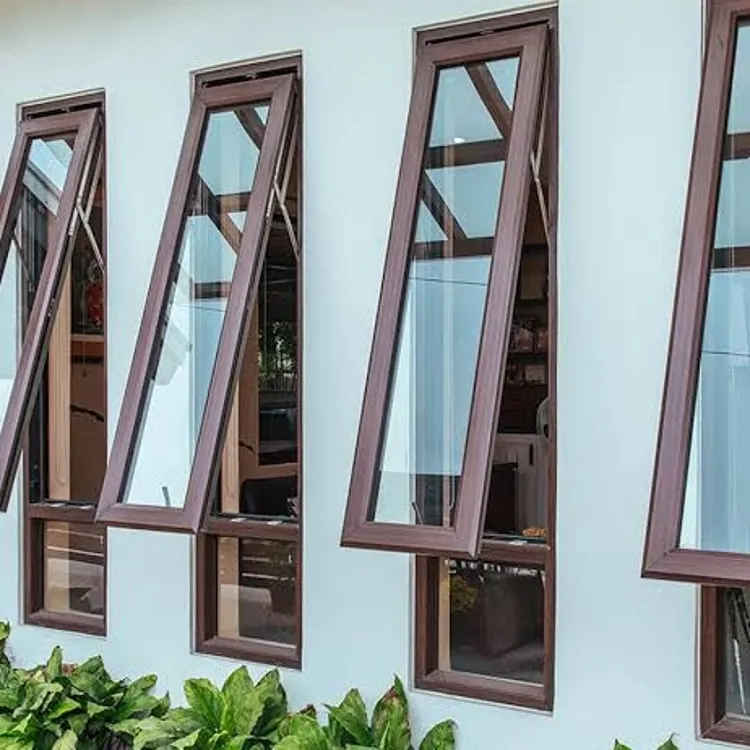
Key insights
Most awning window installations cost between $400 and $900, but you could pay as little as $300 for a budget-friendly installation or as much as $1,800 for a high-end installation.
Jump to insightFrame material plays a major role in your costs, with fiberglass and wood pushing prices to between $700 and $1,500, and vinyl being the most affordable at $300 to $800.
Jump to insightInstallation complexity, window size, hidden damage, glass upgrades and local labor rates will all affect your price and can add between $150 and $1,200 per window to the base unit cost.
Jump to insightAverage costs for awning windows
The average window replacement cost for a single awning window is between $400 and $900. About 40% to 60% of that goes toward materials, meaning the window unit itself will cost between $160 and $540. The remaining covers and other installation costs.
For that price, you can expect the following materials and labor:
- Vinyl or aluminum frame
- Standard double-pane glass with no upgrades
- Average window size with standard dimensions
- Old window removal and haul-away service
- New window installation
- Insulation and caulking to seal the new window
- Restoration of your siding and trim
Awning window costs by quality and complexity
Window costs can vary widely based on many factors. Use the table below to estimate your window replacement costs based on the quality of the materials and complexity of the installation.
| Installation type | Average cost per window | Features* |
|---|---|---|
| Budget-friendly | $300 to $800 | Aluminum or vinyl frame, standard glass, standard size, budget brand |
| Average | $400 to $900 | Aluminum or vinyl frame, minor glass upgrades, standard size, quality brand |
| Luxury | $900 to $1,800 | Fiberglass, composite or wood frame, triple-pane glass, glass upgrades, standard or custom size, premium brand |
» MORE: The best window companies
Awning window costs by material
Frame materials and glass options are among the most influential cost factors when pricing an awning window. Consider the upfront cost and overall value to make the right long-term choice.
Pay close attention to how long your window materials will last and how much they stand to save you on energy bills over time. Keep in mind that awning windows are among the most energy-efficient window types, so you may not need frame and glass upgrades to reach an acceptable level of efficiency.
Awning window cost by frame material
The frame material you choose can cause a price swing of between $500 and $700, making it the most critical factor to consider. Use the table below to compare average window prices by frame material and choose what best suits your home.
| Frame material | Average cost per window | Pros | Cons |
|---|---|---|---|
| Aluminum | $400 to $900 | Lightweight, affordable, resists warping | 15- to 20-year lifespan, can dent |
| Composite | $600 to $1,200 | Long-lasting, energy-efficient | Performance varies, expensive |
| Fiberglass | $700 to $1,500 | Highly energy-efficient, lasts up to 40 years | Very expensive |
| Vinyl | $300 to $800 | Good value, energy-efficient, lasts up to 40 years | Can warp in extreme temperatures, difficult to paint |
| Wood | $800 to $1,500 | Excellent curb appeal, easy to repair | Expensive, prone to rot and moisture damage, high maintenance |
Awning window cost by glass material
The type of glass and the upgrades you choose can also affect your costs, although glass plays a smaller role in your total. Use the table below to estimate costs based on the glass you choose.
| Glass option/upgrade | Average cost per window | Benefits |
|---|---|---|
| Double-pane glass | Included in average pricing | Industry standard balancing cost and energy efficiency |
| Triple-pane glass | Adds $100 to $200 | Improves energy efficiency and noise reduction; helps lower heating and cooling costs |
| Low-emissivity coating | Adds $50 to $150 | Improves energy efficiency in hot and cold climates |
| Window tinting | Adds $75 to $150 | Reduces furniture fading, solar heat gain and cooling costs |
| Frosted glass | Varies widely | Adds privacy while allowing natural light |
Factors affecting the cost of installation
Materials play a major role in your window costs, but other factors can also influence your labor fees. Consider the following to get the most accurate estimate possible for your awning window installation costs.
Window size
Your window size affects material costs, of course, but it can also affect your labor fees.
Most awning windows are relatively small and lightweight, meaning a single tech can usually maneuver them into place and install them. This helps keep labor costs down, since you’ll usually pay an hourly wage for one installer instead of the two or three you might need for larger, bulkier windows.
Standard vs. custom sizes
You can also expect to pay significantly more for custom-size awning windows because they aren’t mass-produced. Most modern homes use standard window sizes, though, so custom sizing is relatively uncommon.
Window location
Where your window is located matters, as first-floor windows are much easier to access than second-floor windows. For second-story windows, most techs will charge an additional $50 to $150 per window for the added work of using ladders, working around safety equipment and using window lifts to maneuver the unit into place.
Geographical location
Local labor rates can vary widely, with the average labor cost per awning window ranging from $160 to $540. Expect to pay higher rates in areas with a higher cost of living, like major cities, and lower rates in more affordable areas.
Surrounding wall type
Awning windows are a popular option for basement windows, especially those in window wells, where a point of egress is beneficial for safety or required by law. You might see a small price increase for the added work of a window well, but it will increase significantly if you need changes to a concrete block foundation wall rather than a wood-framed exterior wall.
Compare quotes carefully to see whether removal, disposal and permits are included.
Removal and disposal
Most window installers will remove and haul away your old window at no extra cost, but some charge separately. If yours does, expect to pay an extra $50 to $100 per window you need replaced. Other window types can cost more, but since awning windows are usually relatively small, the fee will rarely go over $100.
Permits
You may need to pay for permits if your window replacement is part of a bigger home improvement project, or if you’re making structural changes to accommodate a different window size than what you currently have. If you need them, permits can add $100 to $400 to your total.
Hidden damage
Your window installer may find unexpected damage around your wall opening if you’ve had ongoing leaks or other problems that led to structural issues. Repairing frame damage from a leak can add $150 to $400 to your total, while repairing structural damage could run $300 to $1,200.
You’re much less likely to have structural damage around an awning window in a basement, but if you do, repairs will likely cost more than $1,200 because concrete foundation repairs are more involved.
New construction vs. replacement windows
Installing an awning window as a part of a new construction project will almost always cost you less than replacing an existing window.
New construction gives your installer open access to the wall opening, so they can spend less time removing and restoring siding and trim. New construction windows are also usually part of a larger window package, and most manufacturers and installers provide discounts on bulk orders.
Tips for saving on awning windows
Replacing an awning window can cost as much as $1,800 in some cases, so it can be an expensive home improvement project. Here are some tips for keeping costs down without sacrificing long-term value.
- Choose a frame material that suits your climate. Frame material is a major cost factor when installing an awning window. Vinyl typically offers the best value, but upgrading to a more energy-efficient material could reduce heating and cooling costs.
- Consider glass upgrades in extreme climates. Tinting and low-E coatings can raise upfront costs, but may reduce energy bills enough to pay for themselves over time. Consider your climate and how much efficiency you need.
- Check for energy-efficiency rebates and incentives. States, municipalities and energy companies may offer rebates or other incentives for energy-efficient home improvements. Check the Database of State Incentives for Renewables and Efficiency (DSIRE) for programs in your area.
- Replace all of your windows at once. Replacing all your windows costs more upfront, but bulk orders typically come with a 10% to 15% discount per window. Whole-home replacement can also increase your energy savings over time.
- Avoid resizing your window. Keeping your existing window size can help control replacement costs. Enlarging or reducing a wall opening requires structural changes that can significantly increase your project cost.
FAQ
Are awning windows cheaper than other window styles?
Awning windows are about average in cost. They’re typically more expensive than hopper, picture, slider and transom windows, but less expensive than bay, bow and casement windows.
Are awning windows more expensive than casement windows?
Awning windows are usually less expensive than casement windows, with an average awning window costing $400 to $900 and an average casement window costing between $450 and $1,000.
Awning and casement windows use similar opening mechanisms that are complicated and somewhat costly, but awning windows are usually smaller, which lowers the overall window replacement cost.
Are awning windows energy-efficient?
Yes, awning windows, like casement windows, are among the most energy-efficient windows with a movable sash. They compress weatherstripping, which means they have a very tight air seal. The only window style with higher energy efficiency is a picture window, but it doesn’t offer the same ventilation perks as awning and casement windows.
Do awning windows improve home value?
New awning windows can improve home value by boosting curb appeal and making a good first impression on buyers. They can also improve energy efficiency without sacrificing ventilation, which may increase comfort and reduce heating and cooling costs.
Bottom line
On average, you’ll spend between $400 and $900 to replace an awning window, though costs can range from $300 to $1,800 based on materials and labor. While not the cheapest option, awning windows are valued for energy efficiency and ventilation. The long-term energy savings and added comfort can make the investment worthwhile.
Article sources
ConsumerAffairs writers primarily rely on government data, industry experts and original research from other reputable publications to inform their work. Specific sources for this article include:
- International Association of Certified Home Inspectors, "InterNACHI's Standard Estimated Life Expectancy Chart for Homes." Accessed Sept. 25, 2026.
- North Carolina Clean Energy Technology Center at North Carolina State University, "DSIRE: Database of State Incentives for Renewables & Efficiency." Accessed Sept. 25, 2026.
- Lawrence Berkeley National Laboratory, "Thermal Performance and Potential Annual Energy Impact of Retrofit Thin-glass TriplePane Glazing in US Residential Buildings." Accessed Sept. 25, 2026.