


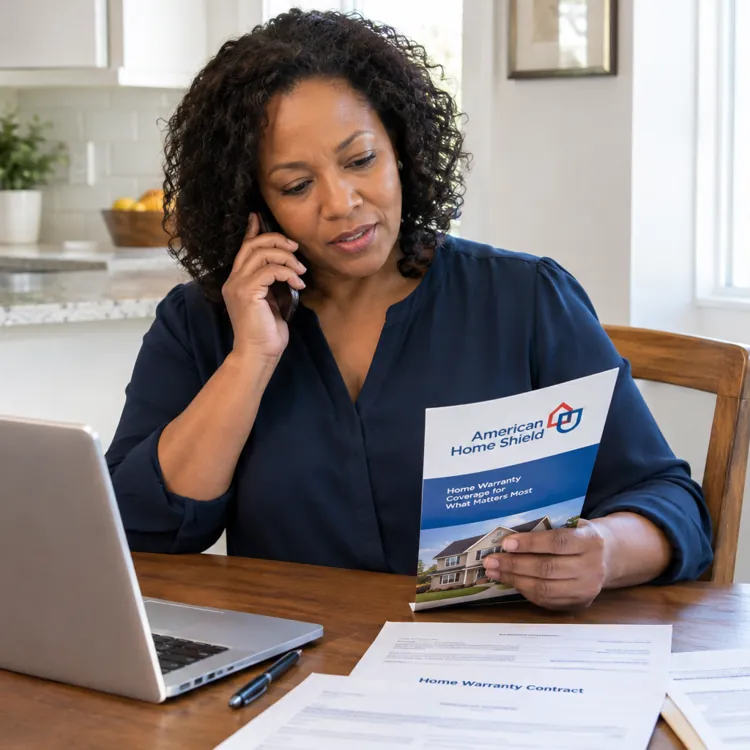
Can home warranty coverage transfer to a buyer?
Yes, most home warranties can transfer to the new homeowner when a property changes hands. However, the home warranty provider’s contract sets the transferability terms, not federal or state laws or home warranty regulations. Most providers allow at least one transfer, but some prohibit them entirely.
Sellers may offer home warranty coverage as an incentive to buy, and some real estate agents gift short-term policies.
Selling a home doesn’t automatically void or transfer coverage. Instead, the seller or buyer must contact the warranty provider directly to initiate the transfer. When the warranty transfers to the homebuyer, they typically receive coverage equal to the remaining term of the original contract.
» LEARN: What is a home warranty?
Home warranty transfer rules and deadlines
Successful home warranty transfers require active coverage and must occur within a certain period. Timeframes vary by provider, but often range from 15 to 30 days after closing. Missing this deadline or failing to submit the proper paperwork on time can jeopardize the transfer or even eliminate it as an option.
Confirm the remaining coverage period and renewal date before transferring the home warranty.
The seller typically notifies their home warranty provider of a pending transfer once they’ve finalized the home sale. Providers often request additional information, including proof of sale and the buyer’s contact information, to complete the transfer. Buyers may also need to sign forms indicating they accept the remaining coverage terms.
Depending on the provider, transfer fees of $25 to $50 may also apply. However, some providers charge nothing to switch warranty coverage to a homebuyer.
How to transfer a home warranty
Understanding how a home warranty transfer works can help you feel more prepared and confident. Compared to closing on the purchase of a new home, transferring a home warranty is relatively straightforward and includes the following steps:
- Transfer eligibility verification: The seller verifies that the home warranty provider allows a coverage transfer by reviewing the warranty contract terms or calling the provider directly.
- Home warranty transfer notification: If the warranty is eligible for transfer, the seller alerts the provider of a pending home sale via an online form, by phone or by mail.
- Forms submission: Warranty providers typically require sellers to complete several forms, including a request for final closing papers and the buyer’s contact information.
- Transfer fee payment: The seller or buyer pays the provider to transfer the home warranty, as agreed upon during closing negotiations.
- Confirmation of home warranty coverage transfer: Warranty providers may send transfer confirmation documents to sellers and buyers via email or by mail.
- Proof of transfer recordkeeping: Both parties should keep their own proof of the successful home warranty transfer in case of future claims disputes.
If your agent purchased a plan from a home warranty company for you, they’ll typically handle the transfer process as part of their closing services. However, it’s still important to confirm the transfer was completed successfully and save a copy of the confirmation for your records.
Home warranty transfer tips for buyers
Before relying on a seller’s home warranty only to find out it’s expired or certain repairs aren’t covered, new homebuyers should confirm transfer eligibility and active coverage. Contact the warranty provider to request the warranty’s terms, and review them carefully for:
- Remaining coverage period
- Service call protocols and related fees
- Exclusions and limitations
Buyers should also inquire about the renewal process and request a copy of the property’s warranty claims history. This information can help inform next steps, including areas of the home that may need immediate attention due to recurring issues present in the claims history.
» RELATED: Filing a home warranty claim
FAQ
How do I transfer my warranty to a new owner?
You can transfer your warranty to a new owner by calling or emailing your home warranty provider or by submitting an online form. Once you initiate the transfer, they’ll request specific documentation and, if applicable, payment to complete it.
Can you add a home warranty after purchase?
Yes, you can add a home warranty after purchase. You can either transfer existing home warranty coverage within the first 15 to 30 days after closing or purchase your own home warranty plan at any point.
Is a roof warranty transferable to a new owner?
Yes, a roof warranty is typically transferable to a new owner. The seller typically notifies the roof warranty provider at closing to initiate the transfer, similar to the home warranty transfer process.
Are home warranties transferable in all states?
Home warranties are transferable in all states, as long as the warranty provider’s contract permits it. No state or federal laws govern home warranty transfers.
Can a seller transfer a home warranty without the buyer's involvement?
Yes, a seller can transfer a home warranty without the buyer’s involvement. When sellers contact the home warranty provider to initiate the transfer, they can provide the buyer’s contact information directly. The process depends on the company, and the buyer’s acceptance of the terms may be required.
Article sources
ConsumerAffairs writers primarily rely on government data, industry experts and original research from other reputable publications to inform their work. Specific sources for this guide include:
- Liberty Home Guard, "How to Convert Home Warranty Coverage from Seller to Buyer." Accessed Oct. 15, 2026.
- Select Home Warranty, "Can a Home Warranty Be Transferred From the Seller to the Buyer?" Accessed Oct. 15, 2026.
- National Roof Certification and Inspection Association, "How to Transfer a Roof Warranty to a New Owner." Accessed Oct. 15, 2026.
- American Home Shield, "Post-Closing Surprises: 89% of Homebuyers in Nationwide Survey Experience Problems with their Home in First Year." Accessed Oct. 15, 2026.