

What is a sellers home warranty?
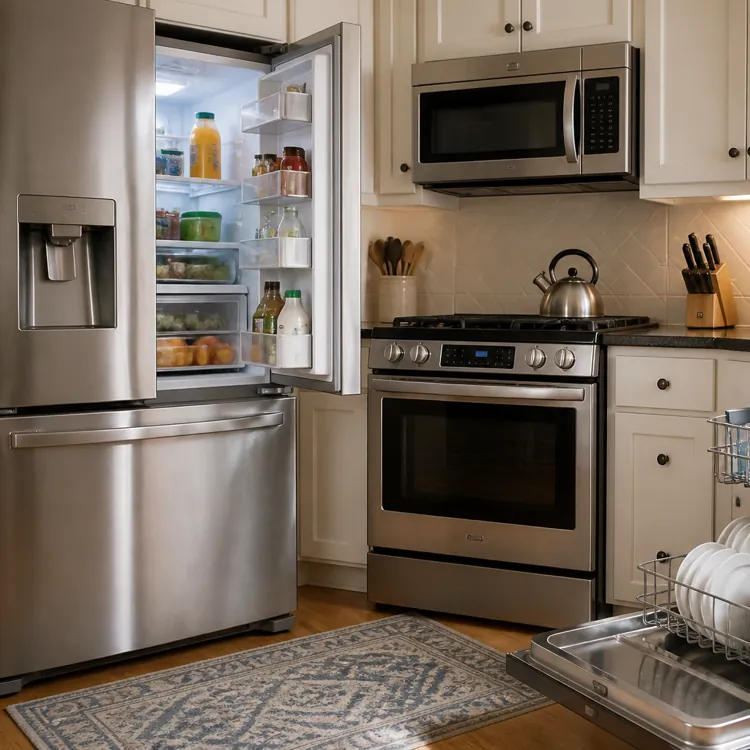
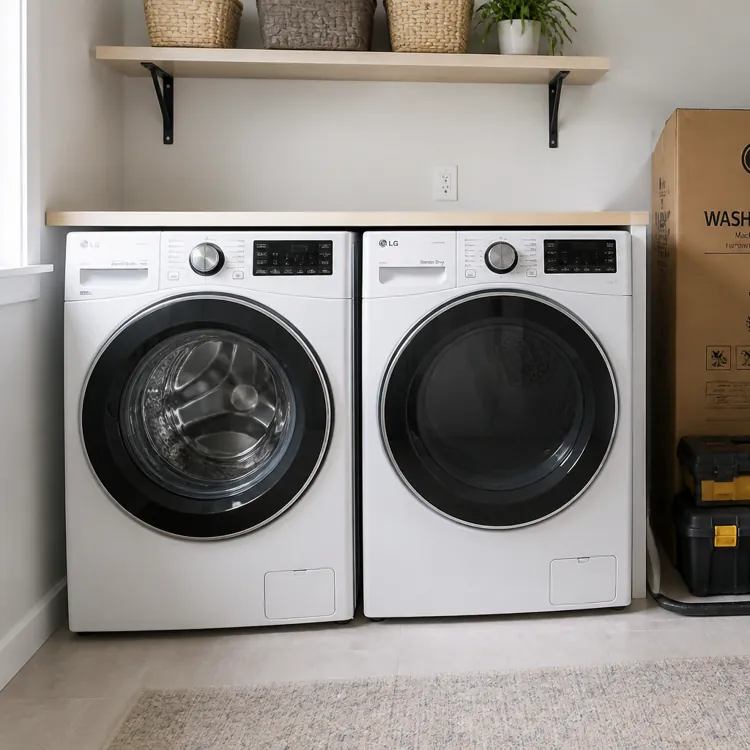
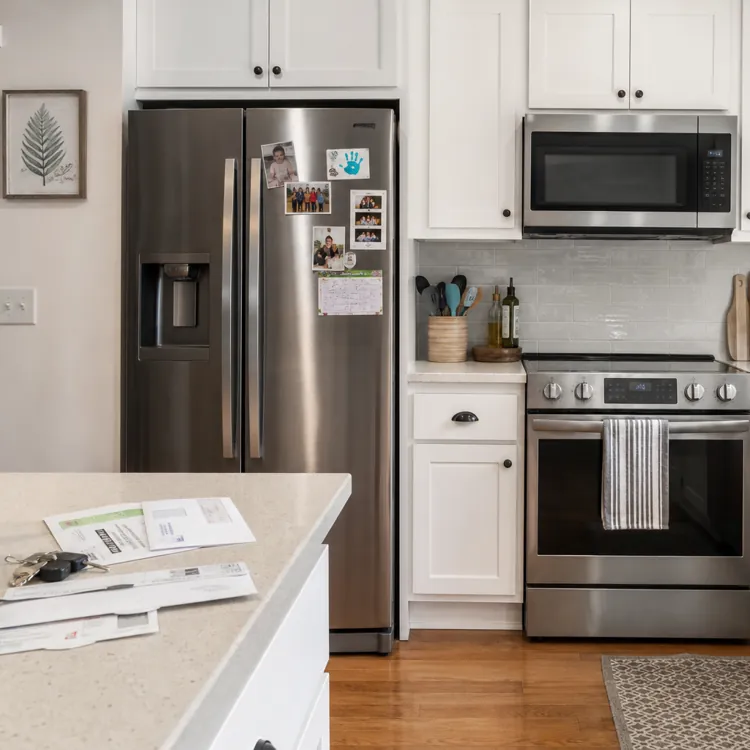
Both a sellers and a buyers warranty cover the same basic home systems, such as heating and cooling, plumbing and electrical systems, as well as the most common appliances, like washers and dryers, ranges, refrigerators, built-in microwaves, garbage disposals and dishwashers. The main difference is who pays for the home warranty and how long the coverage lasts.
A limited sellers home warranty, for instance, only covers the time period from when the house is listed to when the transaction closes. If you don’t want or need to pay the annual premium for a full warranty, seller-only coverage can be a good option, especially if you anticipate a lengthy listing timeline and have a house with older systems that might need service before your property sells.
However, many sellers choose to purchase a full, transferable buyer warranty. In a competitive housing market where buyers have an advantage, this can be an added incentive. In some cases, a home warranty company may offer free initial coverage during the listing period if the seller agrees to buy an additional year’s protection for the new owner, so you may get the best of both worlds.
» LEARN: What is a home warranty?
What are the benefits of a home warranty for sellers?
Sellers can benefit in a few big ways from purchasing a home warranty, especially in a competitive housing market. Advantages include:
- Covering unanticipated repair or replacement costs during the listing period
- Making you more competitive in a buyer’s market
- Expediting closing timelines after an inspection
- Protecting appliances no longer covered by the manufacturer’s warranty
- Transferring the warranty to the buyer after closing
While a home warranty can cost hundreds of dollars a year, the unexpected repair costs it’s designed to protect you from can run into the thousands. For example, HVAC replacement can set you back up to $5,000 or more. A replacement water heater averages $800 to $3,000, and a new refrigerator usually costs over $1,000.
Adrian Pedraza, a real estate investor with The California Homebuyer, offered this advice: “When selling a home, it's not just about curb appeal — it's about giving peace of mind. A home warranty is that reassuring handshake, promising buyers that major appliances and systems won't spring unexpected costs on them shortly after moving in.”
In competitive markets, like California, homes with warranties stand out, signaling trust and long-term value to potential buyers”
However, buying a home warranty when selling your home won’t always be necessary, so consult with your real estate agent first. For instance, if most of your appliances are new and still covered under the original manufacturer’s warranty or if you’re listing your home in a seller’s market, a warranty may be an unnecessary expense.
On the other hand, a home warranty may be just what you need to set yourself apart from other sellers. “In competitive markets, like California, homes with warranties stand out, signaling trust and long-term value to potential buyers,” Pedraza said.
» COMPARE: Best home warranty companies
What does a sellers home warranty cost?
These are the components that make up the total cost of a home warranty:
- Annual premium: The base cost for a home warranty, the annual premium runs about $30 to $90 a month (usually billed yearly), or $350 to $900 for a year of coverage.
- Service call fees: Service calls cost between $75 and $150. This fee (sometimes called a deductible) must be paid each time the warranty company has a service technician sent to your house. After the property is sold, the new homeowner will be responsible for these fees.
- Add-on coverage fees: These optional costs cover items that a basic warranty excludes, such as pools and extra appliances. Depending on your needs, you may have no add-ons, or you might pay up to another $500 annually.
- Transfer fee: Typically ranging from about $25 to $50, this fee covers administrative costs to transfer the home warranty to the buyer after closing. Not all home warranty companies charge transfer fees.
You can potentially get a free limited sellers warranty if you agree to purchase a one-year buyers warranty after the house sale.
Many companies offer free or discounted limited coverage while your home is listed (typically capped at six months) if you agree to purchase a full-year warranty for the buyer.
It’s also worth noting that once the policy is transferred to the buyer after closing, it will be the new homeowner who pays the service call fees. The only cost that lies with you as the seller during the listing period is the annual premium — unless you need to make a claim, in which case you pay the deductible.
With all the expenses that come with listing and selling a home, even a $500 plan is only a small portion of what you’re spending on improvements, staging, agent fees and closing costs, along with covering the mortgage while the home is listed.
Cost factors
When a seller includes a home warranty as part of a home sale, the cost isn’t the same for every property. Several key variables drive the premium and service-fee structure. Below is a breakdown of the biggest major cost-drivers.
Plan structure
Each home warranty company has its own plan tier system, but here are some common frameworks you may encounter:
- Systems-only or appliance-only plans: Covering only systems (such as HVAC, plumbing and electrical), or only appliances (like your dishwasher, refrigerator and garbage disposal), these plans are usually cheaper than a more comprehensive policy.
- Combination plans: These plans include both systems and appliances. Many companies offer several combination plan options at varying price points.
- Repair-only plans: Some companies offer plans that cover repair only. This coverage level typically commands a lower annual premium than a plan covering both repair and replacement.
Home size and type
If your home is large or has many extra systems, expect the seller’s warranty cost to be on the more expensive end of the spectrum. Conversely, smaller homes or condos are typically less expensive. Expect to pay more if you’re in an older home or one with excess wear and tear, as breakdowns are more likely.
- Single-family homes: Usually set the baseline rate for most plans. For homes under a certain size (e.g., under 5,000 square feet), Home Warranty of America lists basic coverage priced $350 to $600 per year.
- Condos and townhomes: Often cheaper to cover, since many systems (such as roofs or exterior plumbing) are shared.
- Multiunit or duplex properties: Multiunit properties that are wholly or partially rented may have higher warranty costs due to heavy use.
- Larger square footage: More appliances and bigger systems mean more risk and higher costs.
- Older homes: May come with higher premiums or require inspections before approval.
Optional add-ons
Most standard home warranty plans include basic systems and appliances. Add-ons let sellers extend coverage for specific features. According to Home Warranty of America, extended coverage (add-ons) can add $100 to $500 per year on top of your base costs.
Common add-ons include the following:
- Pools, spas, or septic systems: Common add-ons that can raise monthly rates by $10 to $20.
- Well pumps or sump pumps: Ideal for rural properties or homes with basements.
- Extra appliances: Coverage for a second fridge, washer, or wine cooler adds a small monthly fee.
- Roof leak protection: Increasingly popular, especially for older or weather-exposed homes.
- Premium plan tiers: Higher-cost options that lower service fees or include coverage for preexisting issues.
Location
Where you live can have a surprising impact on warranty prices. According to Cinch Home Services, an annual home warranty plan in New Hampshire costs over $650 per year, while an annual plan in California costs under $550.
- Regional labor and parts costs: Areas with higher cost of living or more expensive contractor rates drive higher premiums.
- Climate and system usage: Homes in very hot or cold climates may incur more claims (e.g., HVAC breakdowns), which can push premiums higher .For example, a seller in Phoenix might pay more for HVAC-heavy coverage than a condo owner in Boston with fewer systems to protect.
- State/local regulations and tax: Some providers adjust or include taxes/fees based on state, and the type of home warranty regulation differs by state.
Seller home warranty savings and tips
Beyond the standard coverage options, many providers offer discounts, promotions, and flexible terms that can reduce seller costs while still adding value to the listing. But you should make sure to investigate the coverage you’re getting carefully to make sure you get a good deal.
Shop around for discounts and promotions
American Home Shield offers various promotional codes and partner discounts. For example, active military or veterans may receive 20% off the company’s plans. Choice Home Warranty consistently lists discounts such as $75 off for new customers, while 2‑10 Home Buyers Warranty promotes complimentary seller coverage during the listing period in certain markets, meaning customers pay no premium during this time.
Some offer “free listing period” seller warranties through certain real‑estate firms as part of their marketing packages. Timing your purchase during peak promotional months (March, April and October) can also help.
Read the fine print
To determine whether a low-priced plan actually delivers usable protection — especially for homes with older appliances and systems — there are a few factors to consider beyond the annual premium and service fee costs.
- Coverage caps: Assess which of your appliances and systems are the most vulnerable, then check to see how much the company will pay to repair or replace these. If the cap is too low, you (or the buyer) may end up paying the difference out of pocket.
- Exclusions: Read over the exclusion list and consider whether it seems reasonable for your property.
- Pre-existing conditions: Be aware that most home warranties will not cover pre-existing conditions, although some will cover them as long as the conditions were unknown when the policy was purchased.
- Maintenance requirements: Warranty companies may not cover a repair or replacement if you haven’t properly maintained the appliance or system. Keeping a service record can help you avoid an expensive claim denial.
Ask any home warranty companies you’re considering for a sample contract to review. This should have all the information you need to see how good of a deal you’re actually getting.
How to get a sellers home warranty
When selling your home, your real estate agent is your single best resource to discuss the pros and cons of buying a sellers home warranty. They’ll be able to recommend warranty companies they’ve worked with before and can vouch for. They’ll also have insider knowledge about the housing market in your area and can tell you whether a warranty will ultimately be worth it.
Consider following these steps if you’re interested in purchasing a home warranty:
- Together with your real estate agent, discuss your coverage needs to determine the type of warranty you should choose. You may wish to get a warranty for appliances, one for home systems or a combination warranty.
- You’ll also need to decide whether to get a limited warranty that ends once you sell your home or purchase an annual policy to be transferred to the new homeowner.
- Read reviews and ratings for different warranty companies and ask friends and family for their recommendations if they’ve used a home warranty in the past.
- Obtain quotes and coverage details from at least three warranty companies.
- Compare your options. Remember to read the fine print, including exclusions and coverage limits, then decide on a plan.
- If you plan to transfer the warranty over to the new owner, make sure you understand what this process entails and communicate this to potential buyers.
How to transfer a home warranty
Transferring a home warranty to the buyer is generally simple, but the exact process depends on the provider. Most companies require the seller to submit a transfer request in writing, provide the buyer’s contact information and pay a transfer fee that typically costs between $25 and $50.
Once the transfer is processed, the buyer takes over coverage for the plan remainder, and the company issues updated policy documents in their name. To ensure a smooth handoff, sellers should always check with their warranty provider to confirm deadlines and any additional requirements.
FAQ
How does a seller home warranty cost compare to other closing costs?
A typical seller home warranty costs around $350 to $900 per year, which is small compared to standard closing costs such as real estate agent commissions (usually 5% to 6% of the sale price), transfer taxes and title insurance.
What is the difference between a buyers and sellers home warranty?
In terms of coverage, there’s no real difference between a buyers and sellers home warranty. Both cover the cost of repair or replacement for the home systems and appliances included in your plan, minus the service fee. The only real difference between the two is who pays for the warranty. If a seller offers a warranty along with the home, they’ll pay the yearly premium, but the new owner will ultimately be the one who pays the service fees.
» COMPARISON: Buyers vs. sellers home warranty
How long does a home warranty last?
Nearly all home warranties are valid for a 12-month period, after which the policyholder can choose whether or not to renew. The only exception to this would be a sellers limited warranty, which only provides coverage for the time the home is listed until closing.
» LEARN:Home warranty renewal: what to do when your home warranty expires
Are home warranties transferable?
Yes. In almost all cases, if you purchase a full home warranty (meaning 12 months of coverage) while listing your home, this can be transferred over to the buyer as soon as you’ve closed. That said, you should always double-check the language of your contract to see if there are any fees associated with the transfer.
Can I include the home warranty as part of the closing costs?
A home warranty can certainly be included in the closing costs, but this isn’t always the case. Sometimes, the real estate agent may purchase a home warranty for their client as a thank-you gift. In other cases, the buyer may choose to purchase a warranty themselves after the sale goes through.
Bottom line
A sellers home warranty is a useful tool that can incentivize buyers. But in addition to a buyer incentive, it can also act as a strategic seller concession and negotiating tool during the real estate transaction, especially when a home has older appliances or systems. After the home inspection, offering a home warranty may be a lower-cost alternative to larger credits concessions.
It can also provide peace of mind for both the buyer and the seller. Buyers can feel more confident in their purchase knowing that, at least for the first year of home ownership, the major systems and appliances are covered. And it can reduce stress for the seller since any issues that come up during the listing period will be repaired or replaced easily.
Discuss the benefits of buying a sellers warranty with your real estate agent to decide whether it’s right for you.
Article sources
ConsumerAffairs writers primarily rely on government data, industry experts and original research from other reputable publications to inform their work. Specific sources for this article include:
- Home Warranty of America, "Home Warranty Costs and Coverage." Accessed July 13, 2026.
- American Home Shield, "How Much Does a Home Warranty Cost?" Accessed July 13, 2026.
- Cinch Home Services, "What is the Average Home Warranty Cost in the U.S.?" Accessed July 13, 2026.