

Hearing loss symptoms and risks
From age-related hearing loss to simple earwax impaction, hearing loss symptoms often start small and grow over time. Knowing what to look for helps you get treatment earlier and protect your long-term hearing outcome.
Types of hearing loss
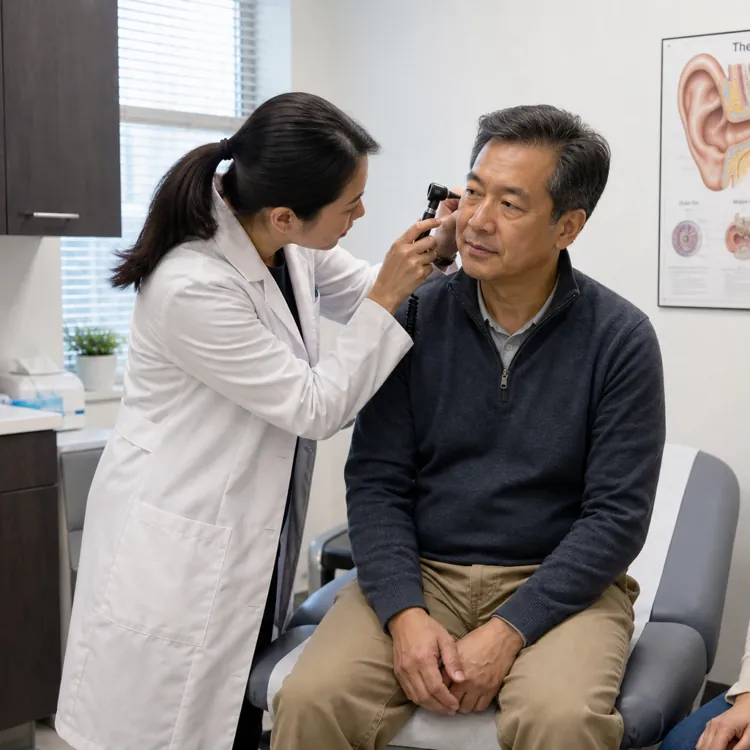
Hearing loss symptoms can vary slightly by type, but the differences are usually only noticeable to trained medical professionals. It’s best not to guess what is wrong with your ears. Instead, consult a medical professional such as an ear, nose, and throat (ENT) specialist or otologist for diagnosis.
There are three main types of hearing loss.
Sensorineural hearing loss
Damage to the inner ear is classified as sensorineural hearing loss. It’s the most common type of hearing loss and is often associated with age or exposure to loud noises. However, some medications, illnesses and physical trauma can also cause inner ear damage.
Auditory neuropathy, where sounds aren’t transferred properly from the ear to the brain, falls into this category as well.
Conductive hearing loss
When something prevents sound from reaching your inner ear, it is classified as conductive hearing loss. Sometimes that is an abnormality in the ear structure, an eardrum injury, fluid buildup, earwax or even foreign bodies like bugs in the ear canal.
Treatments vary widely depending on the type of blockage and range from in-office procedures to surgery to specialized hearing aids.
Mixed hearing loss
When elements of sensorineural loss, such as damaged hairs, and conductive loss, such as wax buildup, combine, the result is mixed hearing loss. Mixed hearing loss can be simple or complex depending on what factors are present in each category. Likewise, treatment and outcomes vary widely.
Common signs of hearing loss
The most common signs of hearing loss are often ignored at first or explained away rather than taken seriously, partly because slow-onset hearing loss is so common.
Tinnitus causes ringing, clicking, buzzing or hissing sounds without an external source.
Typical signs of hearing loss include:
- Having to ask people to repeat themselves
- Avoiding social situations because you feel lost in conversations
- Frequently turning up the volume of TVs and radios until others ask you to turn it down
- Relying on closed captioning even when the sound is on
- Missing doorbells or alarms
- Tinnitus
Overlooked hearing loss symptoms
Other common hearing loss symptoms are often overlooked because they may not be recognized as signs of hearing loss. Others often notice these specific symptoms and behavioral changes before the person experiencing hearing issues does.
Frequently overlooked hearing loss symptoms include:
- Irritability in social situations, as you struggle to keep up with conversations
- Depression from feeling disconnected from your social circle
- Feeling mentally exhausted after conversations
- Hearing sounds but not understanding the words
- Misunderstanding what people say
- Tinnitus
Reasons not to ignore hearing loss symptoms
The two primary reasons not to ignore hearing loss symptoms are the risk of developing serious medical conditions and the importance of preserving quality of life.
Likewise, it is important to rule out underlying conditions before purchasing hearing aids. Primary care doctors may diagnose simple issues such as earwax buildup, but may also refer you to an ENT or otologist for further evaluation.
Medical professionals sometimes find that hearing loss is due to a serious or life-threatening condition that needs immediate treatment. Certain illnesses and medications can also cause temporary hearing issues.
Possible serious underlying conditions include:
- Head injury
- Diabetes
- Tumors
- Cardiovascular problems
- High blood pressure
- Autoimmune diseases
Sudden hearing loss is considered a strong sign of a possible health emergency, and it’s recommended that you seek medical help immediately.
» COMPARE: Best hearing aids for seniors
How hearing aids help
While glasses correct vision, hearing aids do not restore normal hearing.
Hearing aids selectively amplify sounds to make it easier for you to hear and target specific hearing issues. Modern hearing aids often recognize specific frequencies, separate background noise from speech, connect with public address (PA) systems and provide safety features such as feedback prevention.
Hearing aid benefits
Hearing aid benefits go far beyond just helping you “hear better.” They can positively affect every aspect of daily life, including:
- Reducing cognitive function decline and the risk of dementia
- Lowering listening fatigue
- Reducing depression, social isolation and loneliness
- Masking tinnitus
- Improving safety with better awareness
Types of hearing aids
Common complaints about hearing aid comfort, cost and visibility typically stem from a misunderstanding about available hearing aid types. A variety of hearing aid styles fit different lifestyles, hearing needs, comfort and visibility. Your doctor or hearing aid provider will help you choose the best hearing aid style for your comfort and hearing needs.
Hearing aid styles include:
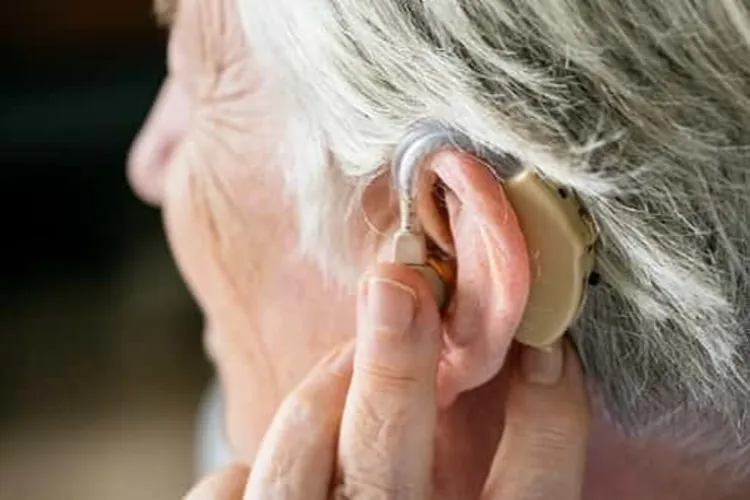
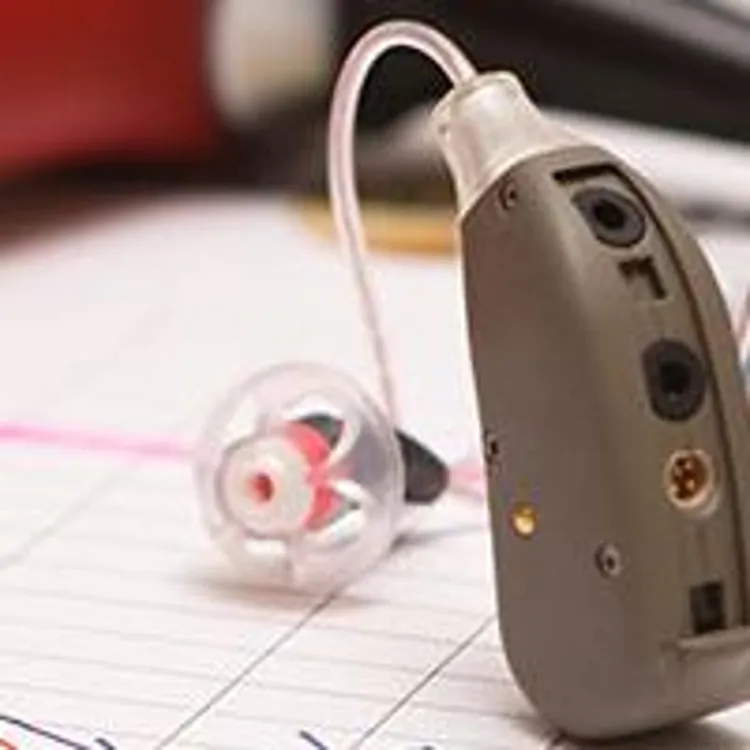
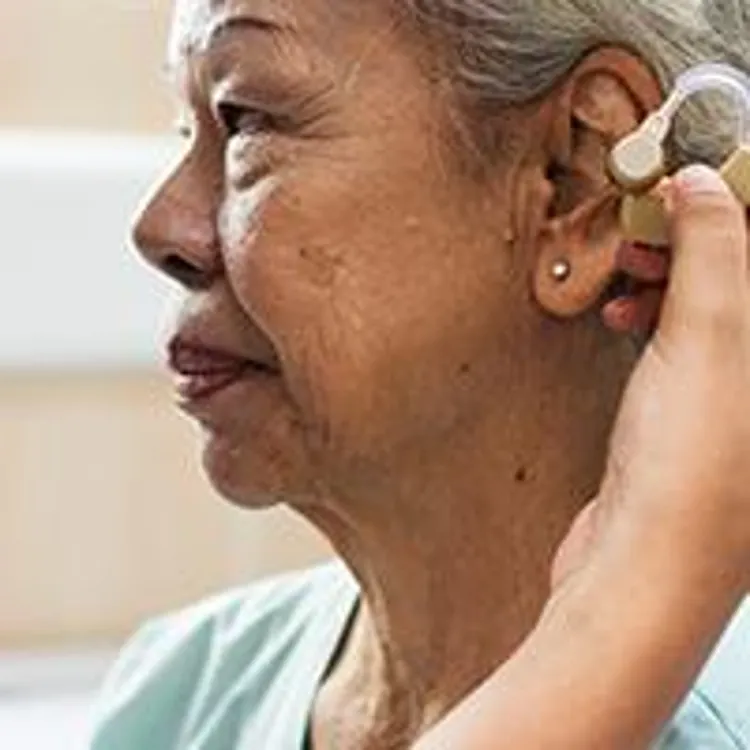
- Behind-the-ear (BTE): BTE hearing aids look a lot like over-the-ear earbuds. More comfortable than in-the-ear or in-the-canal hearing aids for many with ear canal abnormalities, these are the bulkiest of removable hearing aids.
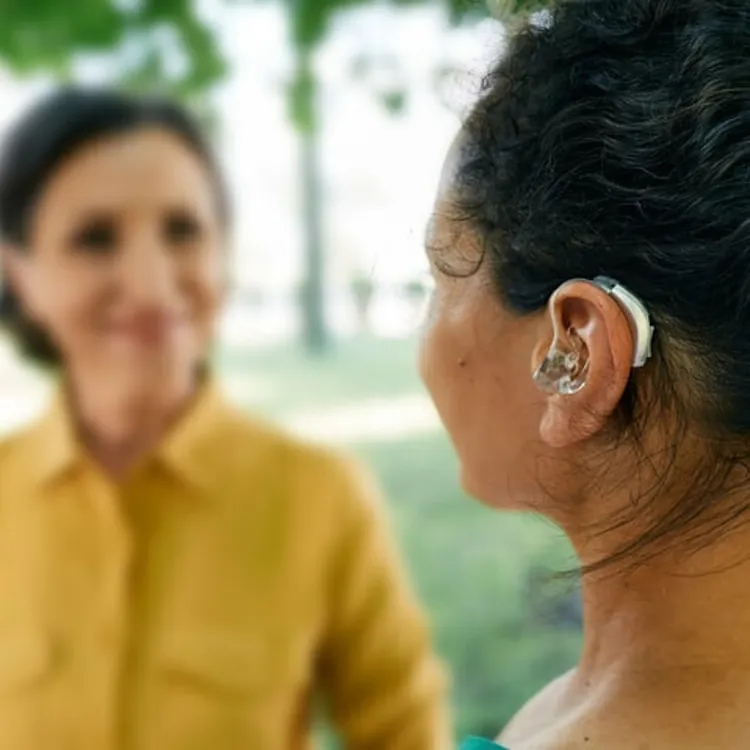
- Mini BTE: A slimmed-down version of BTE with less bulk behind the ear for less visibility, improved comfort and less interference with glasses.
- In-the-ear (ITE): This style is often the most affordable hearing aid and resembles a stemless AirPod or earplug. Typically available in a variety of skin tones to make them less obvious when worn.
- In-the-canal (ITC): Smaller than ITE, this style fits further into the ear canal. These are small and discreet but difficult to adjust without a remote app.
- Completely-in-canal (CIC): Even smaller than the ITC, CIC’s are rarely noticed by others when worn. However, they are easier to lose and more complicated to maintain.
- Bone-conductive: A specialized type of hearing aid that is sometimes surgically attached to the skull to treat conductive hearing loss.
» LEARN MORE: Hearing aids
What to expect from a hearing test
Hearing tests are typically noninvasive and completely painless. While a few types of tests involve small probes inserted into the ear, they cause pressure changes similar to an aircraft liftoff and are usually well tolerated.
Where to get a hearing test
Medical doctors and technicians at hearing aid centers often perform hearing tests. Where and who will perform a test depends on the type of test needed and whether the patient is a baby, child or adult.
To get a hearing test, you can contact your primary care doctor, ENT, otologist, audiologist or a local hearing aid center. However, it’s typically recommended to start with your medical care team before going to a hearing aid center to rule out serious medical conditions.
Hearing aid centers often use audiologists and hearing instrument specialists rather than doctors and focus primarily on tests surrounding hearing aid use.
Types of hearing tests
Clinicians typically start with tests to rule out common underlying conditions, such as fluid in the ear or eardrum damage, and then progress to more specialized tests to pinpoint sounds you are having trouble with.
It’s not uncommon to undergo two or more types of tests to determine the appropriate treatment and whether hearing aids will help you.
Common types of hearing tests include:
- Pure-tone testing: The most common test most people think of when you talk about hearing tests. Pure-tone testing looks at the quietest sound you can hear at different pitches.
- Tympanometry: Measures responses in your ear canal and middle ear to look for damage, fluid, earwax or other blockages.
- Bone conduction testing: Bypasses the outer ear and checks hearing by using small vibration devices placed against your skull behind the ear or on the forehead. The vibrations activate the hairs in your cochlea (part of the inner ear) to produce sound.
- Speech testing: Checks how well you understand spoken words.
- Auditory brainstem response (ABR): Looks at how the brain and ear work together. This test is typically used in early childhood, but may also be used on adults with brain injuries or who otherwise can’t be tested using pure-tone testing.
- Otoacoustic emissions (OAE): Typically used for children and infants who can’t participate in other hearing tests, OAE is a painless procedure using soft probes and soft sounds. Those sounds create tiny echoes in the ear, and the probes record them to measure hearing response.
Hearing tests help hearing aid providers fine-tune amplification across the most-needed frequencies to provide clearer sound. Hearing tests are often repeated over time to measure hearing loss progression and provide data to adjust your hearing aids.
FAQ
What is the average age to need hearing aids?
Age-related hearing loss can start as early as 18 in some cases, but roughly half of people have noticeable hearing loss by age 75.
Do I need a hearing aid for mild hearing loss?
If your hearing loss is noticeable, a hearing aid could improve your quality of life by making conversations easier to hear again.
What level of hearing loss requires a hearing aid?
There is no set level to qualify for a hearing aid. Any level of hearing loss that affects your quality of life may benefit from hearing aids.
Can hearing aids help with tinnitus?
Hearing aids sometimes help with tinnitus by providing sounds to keep your brain busy so it doesn’t invent sounds.
Article sources
ConsumerAffairs writers primarily rely on government data, industry experts and original research from other reputable publications to inform their work. Specific sources for this article include:
- Mayo Clinic, "Hearing loss." Accessed July 17, 2026.
- U.S. National Library of Medicine, "Insect in the Ear—Response and Treatment of an Uncommon Prehospital Emergency: A Case Report." Accessed July 17, 2026.
- National Institute on Deafness and Other Communication Disorders, "Who Can I Turn to for Help with My Hearing Loss?" Accessed July 17, 2026.
- Cleveland Clinic, "Hearing Test." Accessed July 17, 2026.
- National Center for Biotechnology Information, U.S. National Library of Medicine, "Chapter 133 Audiometry." Accessed July 17, 2026.
- Nationwide Children's Hospital, "Otoacoustic Emissions (OAE) Testing." Accessed July 17, 2026.
- U.S. Food and Drug Administration, "Hearing Aid Benefits and Limitations." Accessed July 17, 2026.
- National Institute on Deafness and Other Communication Disorders, National Institutes of Health, U.S. Department of Health and Human Services, "Age-Related Hearing Loss (Presbycusis)." Accessed July 17, 2026.
- National Council on Aging, "Hearing Aids for Tinnitus: Effectiveness, Benefits, and Limitations." Accessed July 17, 2026.