

Seven steps to choose hearing aids
Below we’ve listed some of the most important factors to consider and steps to take in choosing a hearing aid.
1. Get a hearing test
Before picking out a hearing aid, it’s a good idea to get your hearing checked. Then you can understand the degree of hearing loss you have.
Hearing aids typically cost $1,000 to $4,000.
You can get a hearing test at an audiologist’s office or in stores like Sam’s Club or Costco. The test is done in a quiet environment and usually takes about 30 minutes.
Some companies offer apps that let you test your hearing at home as a starting point to determine whether you might need prescription hearing aids or qualify for an over-the-counter (OTC) device.
2. Think about where you struggle most
Different devices handle background noise and speech clarity differently. Is your biggest struggle hearing conversation in a noisy environment? Or do you have a hard time hearing higher-pitched voices, such as the voices of children?
These are concerns to address with a hearing professional so they can find a type of hearing aid that fits your needs.
Did you know?
Hearing aids don’t just improve hearing. They can also improve your overall quality of life, including your mental health and cognition.
» EXPLORE: Hearing aid statistics
3. Choose a style that fits your comfort and needs
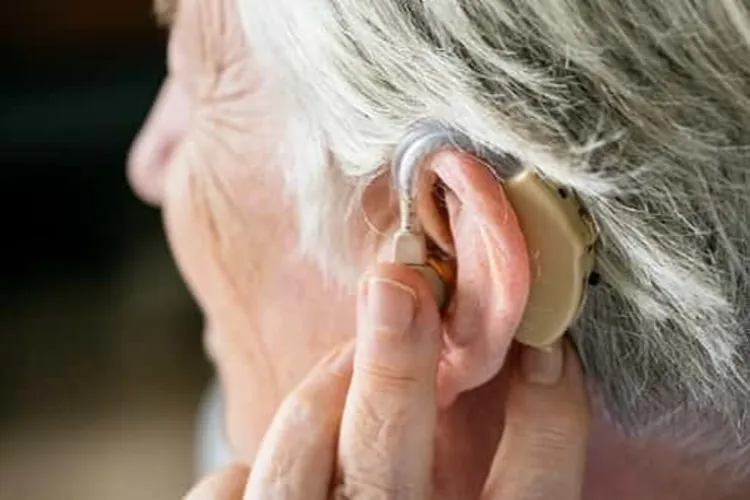
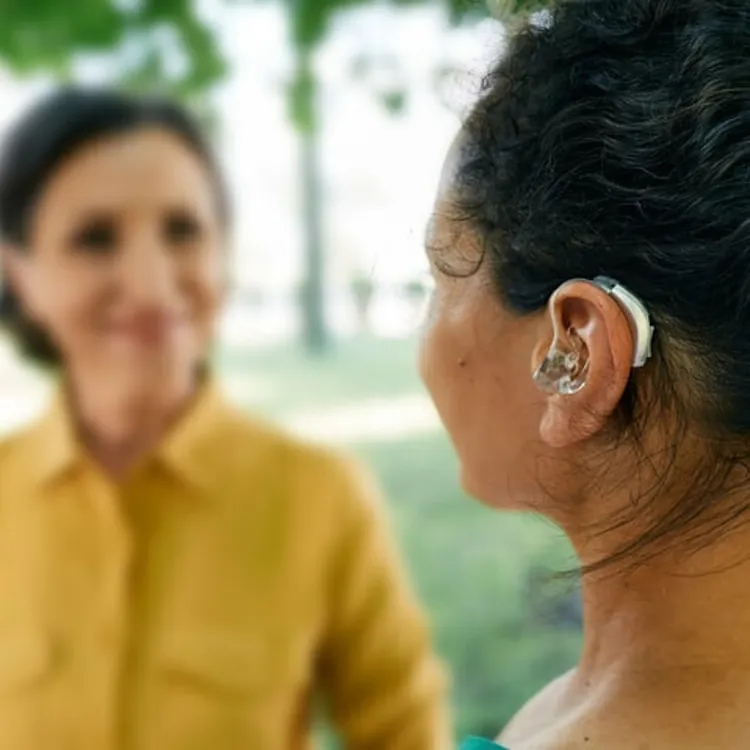
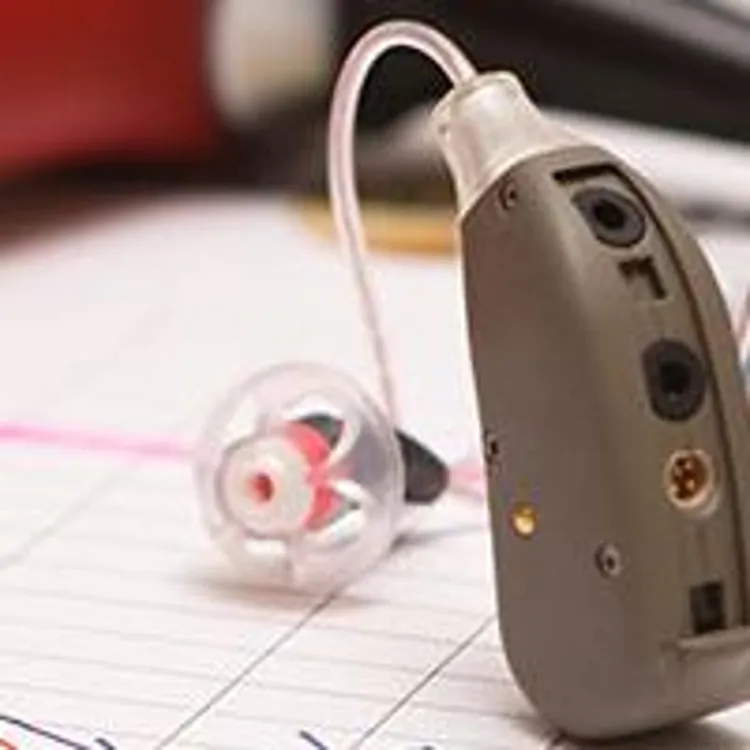
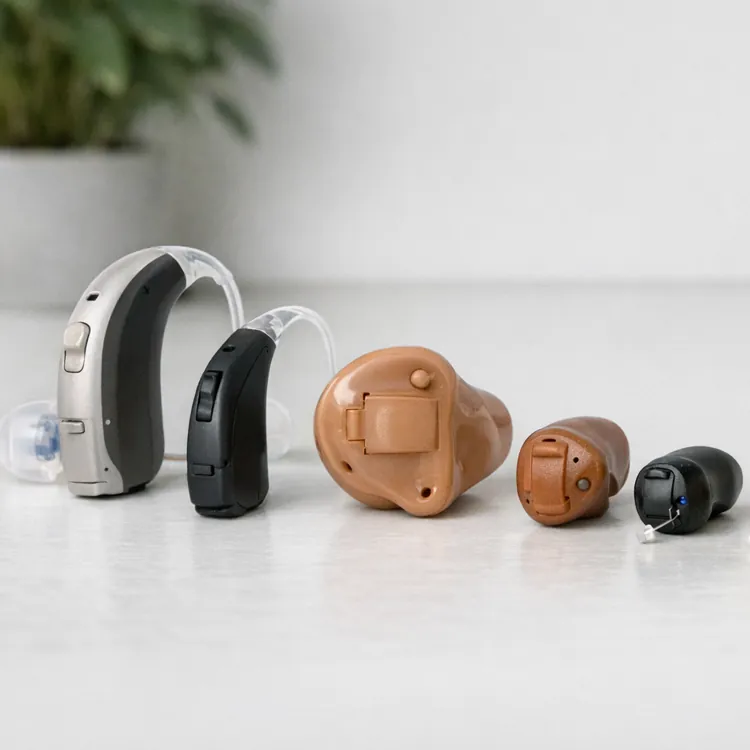
You can choose from different styles of hearing aids that suit your comfort and degree of hearing loss. Behind-the-ear (BTE) hearing aids are the most common, but you might want something more discreet.
| Hearing aid type | How it fits | Best for hearing loss | Pros | Cons |
|---|---|---|---|---|
| Behind-the-ear (BTE) | Device sits behind the ear with a tube that runs into the ear canal | Mild to profound | Powerful; works for a wide range of hearing loss | More visible than smaller styles |
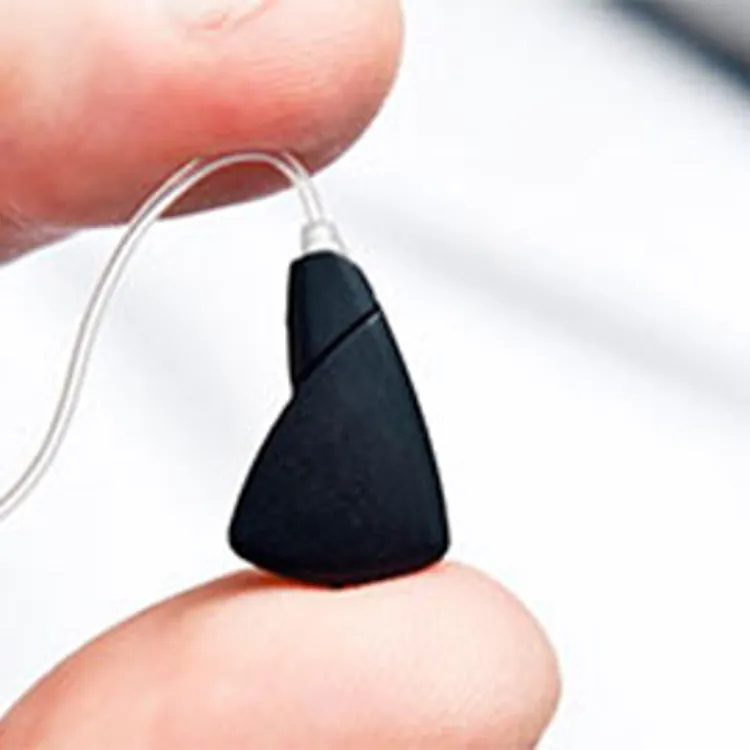
| Receiver-in-canal (RIC) | Similar to BTE, but the receiver (speaker) sits inside the ear canal | Mild to severe | More discreet than BTE; often provides better sound quality | Can clog more easily with earwax |
| In-the-ear (ITE) | Custom-molded to fit the outer ear and ear canal | Mild to severe | Custom fit; larger size can make controls easier to handle | More visible than smaller in-canal styles |
| Completely-in-canal (CIC) | Fits completely inside the ear canal | Mild to moderate | Most hidden/least visible | Small size can be harder to handle; less powerful for severe hearing loss |
4. Decide what features matter most
Hearing aid technology has come a long way in recent years. Newer features can make it easier to hear in certain environments, but some can cost more than others. These include:
- Directional microphones: Because they contain multiple microphones, hearing aids with this feature can pick up sound from different directions. This helps you hear better in noisy settings.
- Rechargeable batteries: Instead of having to replace hearing aid batteries every few days, some models use rechargeable batteries that can be charged overnight and are ready for the next day.
- Bluetooth streaming for calls and music: Some hearing aids can connect wirelessly through Bluetooth, using your phone, computer or TV. This allows you to take calls and listen to music with your hearing aids.
- Feedback reduction: This feature prevents unwanted noises like the high-pitched whistling that can occur with hearing aids.
- Tinnitus masking features: Tinnitus is when you hear sounds that other people can’t hear, such as a ringing or buzzing. Masking features help make the sounds less noticeable and increase the external sounds around you.
- Automatic environment adjustment: This feature takes the surrounding external noise and automatically adjusts the hearing aid settings to match the situation. It can decrease noise in a crowded restaurant or reduce the wind noise if you’re outside.
5. Set a budget
On average, prescription hearing aids cost $1,000 to $4,000 or more, depending on the style and features.
In general, hearing aids aren’t covered by insurance, but some plans might offer partial reimbursement. Original Medicare doesn’t cover hearing aids or testing for hearing aids. Some Medicare Advantage (Part C) plans may offer benefits for hearing aids.
Compare lower-cost hearing aids by both the device price and the services included. If you need a payment plan, watch for high interest rates or other hidden costs.
OTC vs. prescription hearing aids
In 2022, the U.S. Food and Drug Administration established a category for over-the-counter (OTC) hearing aids. This made devices more affordable and more accessible to a lot of people.
One downside, however, is that you’ll usually be on your own for finding a good fit. And they typically offer limited customization compared with prescription hearing aids.
| Prescription hearing aids | Over-the-counter hearing aids | |
|---|---|---|
| Starting costs | $1,000 to $4,000 | $100 to $2,000 |
| Type of hearing loss | Mild to profound | Mild to moderate |
| Typical warranty | 1 to 3 years | 0 to 12 months |
| Fittings and customizations offered | Often | Rarely |
» MORE: Hearing aid warranty coverage
6. Read reviews
When reading reviews of hearing aid companies online, watch for red flags that could indicate scammy or predatory practices. Some warning signs include:
- Claims of curing hearing loss
- Exclusive 5-star reviews
- No mention of FDA-compliance
- Advertising that discourages a hearing consultation
7. Use the trial period
Most hearing aids come with a trial period of 30 to 45 days, allowing you to try them before making a final decision.
It can take a week or two to tell whether a new hearing aid works well for you. Remember that different types of hearing loss respond differently to hearing aids. It’s normal to need to fine-tune the settings more than once, especially when you first start using hearing aids.
Here are some general tips to get the most out of your trial period:
- Expect an adjustment period. Noises will sound louder and sharper than you’re used to. Processing new sounds can cause mental fatigue.
- Wear your hearing aids as often as possible to make the adjustment easier. Gradually build up to noisier environments so you don’t overwhelm your brain.
- Try your hearing aids out in a variety of settings, like noisy restaurants, the workplace, outdoors and talking one-on-one with people. If you have Bluetooth, try it out with phone calls or watching TV.
You’ll likely have a follow-up appointment with your hearing specialist. Report any concerns with hearing aid settings and anything causing discomfort while wearing them. You may need to try more than one hearing aid before finding the best fit.
Compare hearing aids
Compare our picks for the best hearing aid companies. You can get recommendations from an audiologist or hearing aid professional in stores like Costco or Sam’s Club.
| Company | Customer rating | Types of hearing loss | Starting cost | Trial period | Warranty | |
|---|---|---|---|---|---|---|
 hear.com | Learn More | 4.6 | Mild to profound | $1,599 | 45 days | 1 to 3 years |
 Lucid Hearing | Learn More | 3.6 | Mild to profound | $1,299.98 | 60 to 90 days | Varies |
 Audicus | Get Pricing | 4.4 | Moderate to severe | $1,498 | 100 days | 2 years |
 Starkey Hearing Aids | Learn More | 4.2 | Mild to profound | $1,998 | 45 days | Limited |
Share your hearing aid experience
If you’ve ever bought hearing aids before, consider writing a review at ConsumerAffairs.com to help others make better choices.
FAQ
How much do hearing aids cost?
Hearing aids cost on average between $1,000 and $4,000 or more. OTC options can range from several hundred to $2,000 or more.
How much should I pay upfront?
Most people pay the full cost of hearing aids upfront, and then submit the bill to insurance for reimbursement. How much you pay upfront depends on the brand and cost of the hearing aids. Many companies offer payment plans to break up the cost.
How long does it usually take to get hearing aids?
You may be able to get your hearing aids the same day, depending on availability. It may take one to three weeks, however, especially if you had adjustments and customizations, including fitting.
What type of hearing aid is best for seniors?
Whether you’re a senior or helping someone else shop, the best type depends on the degree of hearing loss, the wearer’s dexterity and how much professional support they want. Hearing aids for seniors with larger controls can be helpful when dexterity is a concern, while rechargeable models eliminate the need to replace tiny batteries. Prescription hearing aids are generally better for severe or complex hearing loss and include professional fitting, programming and follow-up adjustments.
Article sources
ConsumerAffairs writers primarily rely on government data, industry experts and original research from other reputable publications to inform their work. Specific sources for this article include:
- National Institute on Deafness and Other Communication Disorder, “Tinnitus.” Accessed Feb 27, 2026.
- U.S. Food and Drug Administration, “OTC Hearing Aids: What You Should Know.” Accessed Feb 27, 2026.
- American Academy of Audiology, “Consumers and OTC Hearing Aids.” Accessed Feb 27, 2026.
- Medicare.gov, “Hearing aids.” Accessed Feb 27, 2026.
- Hearing Loss Association of America, “Financial Options for Hearing Loss Treatment.”Accessed Feb 27, 2026.