


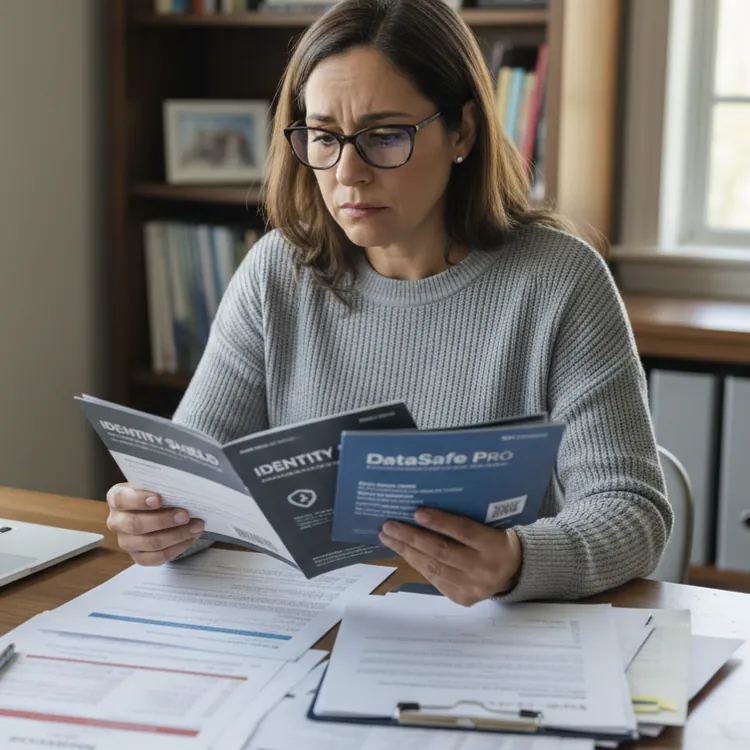
What is identity theft protection?
Identity theft protection is a service that helps you clear any identity theft you may experience. The service will also monitor your credit and alert you to any suspicious activity so you can stop identity theft as early as possible.
To help you fix any damages identity theft can cause, the service will cover legal costs and assist you with restoration services. Restoration services include canceling credit cards, disputing fraud and repairing your credit. But note that identity theft protection does not typically cover monetary losses from identity theft, only any out-of-pocket costs you incur to restore your credit and identity.
Michael Scheumack, chief innovation officer at IDIQ, explained: “Identity theft monitoring services monitor transactions from the credit bureaus. They also scan the dark web for your information that may have been compromised in a breach. Some offer restoration experts who are ready to help when your identity is compromised and also provide insurance coverage.”
Here’s who may be considering identity theft protection services and why:
- Past victims: Your information is proven to be available to fraudsters if you’ve experienced identity theft in the past. According to Identity Theft Resource Center, 69% of identity theft victims in 2023 experienced it in the past. Therefore, you may get a lot of value from an identity theft protection service. It will help you monitor for fraud, and you’ll have assistance during the recovery of your identity.
- Children: Kids have clean credit files and work histories, making them prime targets. Also, since they don’t have bank accounts yet, it’s unlikely anyone is keeping tabs on their credit profile.
- Seniors: Seniors may be less tech-savvy than their younger counterparts, so they may not keep an eye on their credit as closely as they could. In fact, 50% of identity theft victims are older than 45. Also, seniors may have significant assets that could be at risk.
- Anyone concerned about identity theft: We all have our information online and are at risk. If you want the peace of mind of knowing that if you are a victim, you will have a knowledgeable and helpful guide through the restoration process, then identity theft protection could be a good idea.
Compare identity theft protection services
Top identity theft protection service companies monitor your information with credit bureaus, provide reimbursement for out-of-pocket expenses and coverage for lawyers. You can compare some of the services available to find the right company for your needs.
| Service | Credit bureaus monitored | Coverage limits | Basic plan price |
|---|---|---|---|
| LifeLock | 1 to 3 | $25,000 to $1 million | $11.99/month |
| IdentityForce | 3 | $1 million | $19.90/month |
| Aura | 3 | $1 million | $9.99/month |
| Identity Guard | 1 to 3 | $1 million | $8.99/month |
Identity theft protection pros
There are plenty of good reasons to get identity theft protection, with the main one being early detection. “When it comes to identity theft, speed matters. You want a service that provides real-time alerts from all three major credit bureaus: Experian, TransUnion, and Equifax,” Scheumack said. “You want a service that keeps an eye on everything from your personal info on the dark web to new data breaches that might expose your personal information.”
Early detection
One great feature of identity theft protection is the ability to constantly monitor your credit and the dark web for suspicious activity. These services can notify you within days, and sometimes immediately, if your information appears on the dark web or if an account is opened in your name.
When it comes to identity theft, speed matters.”
Even the most diligent of consumers can’t monitor every nook and cranny of the internet at all times. Therefore, identity theft protection can help you spot fraud early and prevent major damage to your credit. It’s much easier to clean up one fraudulent credit card account than it is if the thief has time to destroy your credit.
Insurance coverage
If identity theft does occur, restoration can be expensive. You may need to hire a lawyer, pay notaries to notarize documents or pay fees to replace government documents, such as your driver's license or passport. You can even be reimbursed for lost wages if you need to take time off work due to identity theft.
Coverage limits may apply to restoration costs, but several services offer coverage up to $1 million. You should also be aware of any deductibles that may apply, so you might have a small upfront cost, like $100, before your coverage kicks in.
Peace of mind
Having your identity stolen can be extremely stressful. According to the Identity Theft Resource Center, 16% of victims say they have considered suicide as a result of identity theft. Depending on the type of identity theft you experience, it can take years to fix.
While 43% of identity theft victims report they resolved the issue within one week, 14% report it took longer than six months. The financial losses can also cause problems; 59% of victims lost between $500 and $10,000 to identity theft.
Having identity theft protection can help mitigate some of that stress. It can help reduce the time it takes to clear the fraud and minimize the out-of-pocket costs you may incur.
Identity theft protection cons
While identity theft protection can help you if you are a victim, it can be expensive and doesn’t actually prevent identity theft from happening.
Cost
Identity theft protection will cost between $10 and $70 a month, depending on the company. That can be a significant amount for something you hope to never use.
When shopping around, consider which features mean the most to you and shop for plans that offer those features, without any other bells and whistles. For example, if you don’t feel you need to monitor all three credit bureaus, then you can choose a less expensive plan that only monitors one.
You can also save money by paying annually instead of monthly, or bundling all the members of your family into one plan.
It isn’t prevention
Buying identity theft protection might feel like you have prevented future identity theft, but that isn’t the case. Instead, you’ve hired a partner to help you catch and remedy any identity theft that takes place. That’s a big difference, and one you might feel if you find yourself a victim.
Phishing, such as fake emails or calls, is one of the more common ways that fraudsters get your information. And all the monitoring in the world can’t stop you from mistakenly giving away your personal info.
Data security risk
Even though companies advertise protection services, the identity theft company is still one more place that has your sensitive information. All companies have a risk of security breaches, and identity theft services are no exception.
Also, hiring a company might make you less vigilant. You’ll still need to use strong passwords, keep a credit freeze and be aware of phishing attacks.
» MORE: “Quishing” scams are increasing
Alternatives to identity theft protection
While you can’t replicate the consistent and thorough monitoring of an identity theft prevention company, you can take steps to protect yourself.
Credit freeze
Freezing your credit is an easy way to prevent new credit accounts from being opened in your name. You can do this on each credit bureau's website. It’s free and only takes a few moments. When you want to use your credit, you can easily unfreeze it for a few weeks.
However, 22% of identity theft victims report they had a credit freeze in place, so it doesn’t stop all types of identity theft.
Credit score monitoring
Credit score monitoring is often offered as a free service. For example, Credit Karma lets you see your credit score for free and will even email you if there are any changes. Several credit card issuers offer this feature as well.
This lets you know if your credit score changes, which may happen if there is an account in your name that is negatively affecting your credit — as thieves don’t usually pay their bills.
Unfortunately, with this method, you won’t find out about an unauthorized account unless you actively monitor your credit report for new accounts or credit lines.
Free credit reports
You are entitled to one free credit report per year from each credit bureau through AnnualCreditReport.com. If you spread this out, you could get a free copy of your report every four months. This will let you see all your open accounts and verify that everything is correct.
Again, like monitoring your credit score, you may not see an account for several months, during which the fraudster could damage your score and finances.
Use strong passwords
Identity Theft Resource Center reports that 56% of identity theft victims reuse the same password across all their accounts. Using a password manager lets you store all your passwords and have them prefilled, so you don’t have to remember them. This lets you use complicated and varied passwords without the headache.
Phishing scam education
Stay up to date on what to look for in a phishing scam. Don’t click on links in an email; instead, go to that company’s website directly.
You can also confirm that the email of the sender seems correct. Look for small typos that are easy to overlook. If you aren’t sure, contact the company directly and confirm the email is real before giving any personal info.
Also, never give information over the phone unless you initiated the call. If someone calls you and asks for personal information, hang up and call the company directly.
FAQ
How do identity theft protection services work?
Identity theft protection services work by monitoring the dark web for your personal information and notifying you if there is a threat and by assisting you if identity theft occurs.
What legal protections and recourse do victims of identity theft have?
You can, and should, dispute all fraudulent activity on your credit report with the credit bureaus. The credit bureaus must block fraudulent information from appearing on your credit report, and fraudulent charges cannot be sent to collections.
You also have the right to place a one-year fraud alert on your credit report that tells creditors they must take additional steps to verify your identity before issuing credit. You can then increase that to seven years.
You are also eligible for up to two additional free credit reports from each credit bureau.
Are there risks or downsides to using identity theft protection services?
The biggest downside to using identity theft protection services is the cost. These services can get pricey, especially if you want a top-of-the-line plan for your whole family.
How do I choose the best identity theft protection service?
When shopping for an identity theft protection service, consider the features that are most important to you. Consider what type of monitoring and alerts you want and ensure that those are provided.
But also consider what is not important to you. If you don’t need lost wallet protection, then try to avoid a plan that includes this feature, as you’ll be paying for something you don’t value.
Article sources
ConsumerAffairs writers primarily rely on government data, industry experts and original research from other reputable publications to inform their work. Specific sources for this article include:
- Identity Theft Resource Center, “Trends in Identity Report.” Accessed Jan. 6, 2026.
- Consumer Finance Protection Bureau, “What is identity monitoring or ‘identity theft’ service?” Accessed Dec. 29, 2025.
- Consumer Finance Protection Bureau, “What is a credit monitoring service?” Accessed Dec. 29, 2025.
- Identity Theft Resource Center, “2023 Consumer Impact Report.” Accessed Dec. 29, 2025.
- Federal Trade Commission, “Statement of Rights for Identity Theft Victims.” Accessed Dec. 29, 2025.