


Key insights
The quicker you get rid of your PMI, the more money you’ll save long-term.
Jump to insightPMI gets canceled once your mortgage balance drops to 80% of your home’s value.
Jump to insightRefinancing or a new appraisal may help eliminate PMI sooner.
Jump to insightWhat is PMI?
Private mortgage insurance, or PMI, is a policy that protects the mortgage lender from financial loss if the borrower stops making their monthly payments. It’s used on conventional mortgages only, which are traditional mortgage loans offered by financial institutions (not government-backed programs like FHA, VA and USDA loans).
PMI makes conventional loans available to those who wouldn’t ordinarily qualify for a mortgage. Conventional lenders require PMI if you don’t offer at least a 20% down payment when you purchase a home (for lenders, down payments are closely tied to default risk). So if your home is $200,000, you’ll need to offer at least $40,000 down to avoid paying PMI.
What does PMI cover?
PMI covers the lender if you default on the mortgage (or stop making payments). It can also help recover some or all of the lender’s losses if it has to foreclose on the home and sell it. In cases of foreclosure, the lender may be forced to sell the home for less than it’s owed in order to recoup its losses quickly.
PMI does not protect you if you cannot make your monthly mortgage payments. There’s a separate insurance policy, called mortgage protection insurance, you can purchase to help pay off your mortgage if you experience a loss of income caused by a covered event.
PMI typically costs about 0.5% to 1% of the total mortgage annually.
How much does PMI cost?
The cost of PMI depends on your credit history, down payment amount and the loan type. If you have excellent credit, you’ll likely pay less in PMI premiums than those with fair to good credit.
For the most part, PMI premiums average around 0.5% to 1% of the loan amount each year. So, on a $200,000 loan, you could pay anywhere between $1,000 and $2,000 a year for PMI. Most PMI premiums are paid monthly and added to your mortgage payment. Some mortgages may require an upfront premium paid at closing.
4 ways to get rid of PMI
There are a few ways to stop paying PMI on a conventional mortgage. You can wait until the lender or servicer automatically cancels it, or you can contact the lender or servicer once the principal balance reaches 80% of the original home value. Another way is by refinancing.
1. Wait until the lender or servicer automatically cancels PMI
Your lender must automatically drop PMI when your loan value has reached 78% of the original value of the home (the lesser of the contract sales price or the appraised value of the property at the time of purchase). You need to be current on your monthly payments for this termination to occur; otherwise, you may be required to continue making PMI payments until you’re up to date.
The lender or servicer is also required to cancel PMI the month after you reach the midpoint of the loan’s amortization schedule, as long as you’re up-to-date on payments (even if you haven’t reached the 78% mark).
2. Contact the lender or servicer as principal balance approaches 80%
You can submit a written cancellation request for your lender to cancel PMI when your principal balance falls to 80% of the original home value. You must have a good payment history, and your loan needs to be current. You might also be asked to certify that there are no junior liens on the home and show proof (such as an appraisal) that the property value hasn’t declined.
You can find this scheduled date in your PMI disclosure forms or you can contact your servicer.
3. Ask for cancellation based on your home’s current value
You may be able to remove PMI earlier than expected if your home’s value has risen significantly over time, increasing your equity. This could happen due to a housing market shift or home improvements.
To make this determination, you must get a home appraisal. This could cost anywhere between $200 and $600. Verify with your lender or servicer first that PMI cancellation based on increased home value is possible before scheduling the appraisal.
4. Refinance your mortgage
Refinancing could help you eliminate PMI if your new loan balance is below 80% of the home value. It can also have the added benefit of lowering your interest rate and monthly payment.
For example, if you originally bought a $200,000 home, you may have less than 20% of the loan paid off after a few short years (depending on your original down payment). However, if that same home is now appraised at a value of $230,000, you may now have enough equity in the home to stop making PMI payments.
It’s important to remember that refinancing does come with closing costs, which are usually 2% to 5% of the total loan amount. Evaluate these costs against the potential savings, including PMI payments, to decide whether refinancing is worth it.
Potential costs and fees
While PMI protects the lender rather than the homeowner, removing it often requires administrative steps that can carry costs. Understanding these fees helps you plan and avoid surprises. Always ask your lender for a complete breakdown before proceeding.
Common fees include the following:
- Appraisal fee: Lenders often require a professional appraisal to confirm your home’s current market value. This helps determine if your loan-to-value ratio has dropped enough to cancel PMI. Typical cost: $300 to $600.
- Administrative or processing fee: Some lenders charge a fee to handle the paperwork and process your PMI removal request. Typical cost: $50 to $150.
- Inspection fee: Occasionally, lenders may require a property inspection to verify the home’s condition before approving PMI cancellation. Typical cost: $150 to $400.
- Documentation or record fee: Lenders may charge for updating your mortgage records and removing PMI from your account. Typical cost: $25 to $100.
While not every lender charges all these fees, some combination may apply depending on your mortgage terms and local regulations.
PMI on FHA loans
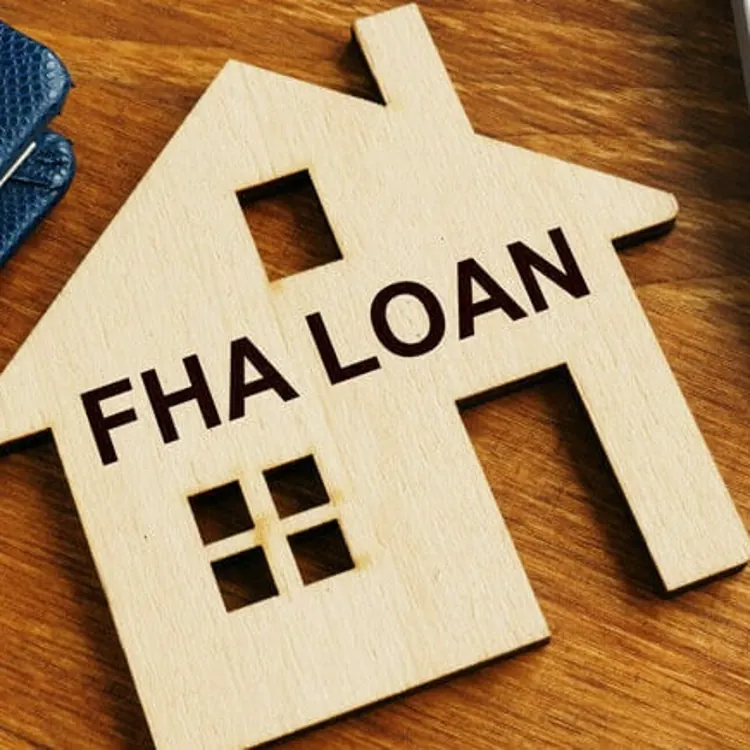
Mortgage insurance on an FHA loan is similar to PMI on a conventional loan in that both lower risk to the lender. There are differences, though. PMI is not always required on a conventional loan, while FHA loans always require payment of mortgage insurance premiums (MIP).
MIP has an upfront amount you pay at closing, which is 1.75% of the loan amount, that you can roll into the loan. There is also an annual premium, which varies based on the amount you borrow, the term length and your down payment. It ranges from 0.45% of the loan amount to 1.05% of the loan amount.
You’ll need to make annual MIP payments for 11 years if you make at least a 10% down payment. If your down payment is less than 10%, you’ll need to make annual MIP payments for the entire term of your mortgage.
FAQ
When does PMI go away?
The Homeowners Protection Act (also called the PMI Cancellation Act), gives a borrower the right to request PMI removal once the principal balance on the loan falls to 80% of the home’s original value. Otherwise, the lender or servicer will automatically terminate PMI when the principal balance reaches 78%. You must also be current on your mortgage payments.
Is PMI tax deductible?
PMI may be tax deductible in certain situations, but it depends on your income and tax year. Homeowners should check current IRS rules or consult a tax professional to see if they qualify for the deduction.
Can PMI be removed if home value increases?
Yes. If your home’s value rises enough to lower your loan-to-value ratio below 80%, you can request your lender remove PMI, even if you haven’t paid down much of the principal. An updated appraisal is usually required.
Do you have to pay mortgage insurance forever?
No. PMI is not permanent and is designed to protect the lender, not you. It can be removed once your loan balance falls to a certain level, or through refinancing or an increase in your home’s value.
Bottom line
Your lender or servicer is required to cancel PMI on your conventional mortgage once your principal loan balance reaches 78% of the home’s original value. You can also request in writing that PMI be canceled when the balance falls to 80%.
You might also be able to get rid of PMI if your home has risen in value or you choose to refinance. Keep in mind that you need to be current on your payments before you stop paying PMI.
Article sources
ConsumerAffairs writers primarily rely on government data, industry experts and original research from other reputable publications to inform their work. Specific sources for this article include:
- Consumer Financial Protection Bureau, “When can I remove private mortgage insurance (PMI) from my loan?” Accessed Dec. 2, 2025.
- Federal Reserve, “Homeowners Protection Act.” Accessed Dec. 2, 2025.