



Our 5 picks for the best personal loans for seniors
- Our top pick overall: Upgrade
- Our pick for flexible repayment terms: Best Egg
- Our pick for larger loans: Achieve
- Our pick for smaller loans: NetCredit
- Our pick for customer service: Reach Financial
Methodology:
We considered recent customer ratings and reviews to choose our top five personal loan companies for seniors. We also compared important loan features such as amounts, rates and funding times. Some companies may be Authorized Partners that compensate us, but this does not affect our recommendations. Read our full methodology below for all the details on how we select our top picks.Compare our top picks
| Company | Customer rating | Our pick for | Loan amount range | Repayment terms | Min. credit score | |
|---|---|---|---|---|---|---|
 Upgrade | Compare Offers | 4.7 | Best overall | $1,000 to $50,000 | 24 to 84 months | 620 |
 Best Egg | Compare Offers | 4.3 | Flexible terms | $2,000 to $50,000 | 36 to 60 months | 640 |
 Achieve Personal Loans | Learn More | 4.7 | Larger loans | $5,000 to $50,000 | 24 to 60 months | 560 |
 NetCredit | Compare Offers | 4.8 | Smaller loans | $1,000 to $10,000 | 6 to 60 months | Not disclosed |
 Reach Financial | Learn More | 1.8 | Customer service | $3,500 to $40,000 | 24 to 60 months | Not disclosed |
Best personal loans for seniors, reviewed
Upgrade

- Loan amounts
- $1,000 to $50,000
- Term lengths
- 2 to 7 years
- Minimum credit score
- 620
Partner Disclosures
NetCredit disclosures
This offer is representative of what may be available to you; you may see additional options or slightly different terms once you continue the application process on the NetCredit website. You may be asked to provide additional documents regarding your income, identity and bank account. All NetCredit loans and lines of credit are underwritten, approved and funded by either NetCredit or one of its lending partner banks. Visit https://netcredit.com/lending-partners for more information. All loans and lines of credit are serviced by NetCredit. For Lines of Credit, a 10% Cash Advance Fee will be deducted from the amount of each Cash Advance, and each billing period a Statement Balance Fee of $0 - $650 will apply based on your Cash Advance Balance. Each Billing Cycle, your Minimum Payment will include a portion of your Cash Advance Balance plus the Statement Balance Fee. The minimum Cash Advance varies by state. Please see Terms of Use, Rates & Terms and Borrower Agreements for all terms, conditions and requirements. KS residents: NetCredit Loan Services, LLC, License No. SL.0026603.
Best Egg disclosures
Best Egg products are not available if you live in Iowa, Vermont, West Virginia, the District of Columbia, or U.S. Territories. Eligibility is not guaranteed. The term, amount and APR of any loan we offer to you will depend on your credit score, income, debt payment obligations, loan amount, credit history and other factors. If offered, your loan agreement will contain specific terms and conditions. Your application is complete when you submit it to Best Egg. Your acceptance of an offer may impact your credit score. The timing of available funds upon loan approval may vary depending upon your bank’s policies. After successful verification, your money can be deposited in your bank account within 1-3 business days. Loan amounts range from $5,000–$50,000. Residents of Massachusetts have a minimum loan amount of $6,500; Ohio, $5,001; and Georgia, $3,001. Only two active Best Egg loans are available at one time and your total existing Best Egg loan balances cannot exceed $100,000. Annual Percentage Rates (APRs) range from 6.99%–35.99%. The APR is the cost of credit as a yearly rate and reflects both your interest rate and an origination fee of 0.99%–9.99% of your loan amount, which will be deducted from any loan proceeds you receive. The origination fee on a loan term 4 years or longer will be at least 4.99%. Your loan term will impact your APR, which may be higher than our lowest advertised rate. Eligibility for the best available rate subject to creditworthiness. For example: a 5-year $10,000 loan with a 9.99% APR has 60 scheduled monthly payments of $201.81; a 3-year $5,000 loan with 6.99% APR has 36 scheduled monthly payments of $152.83. Best Egg loans can be prepaid at any time without penalty. Barring any unforeseen circumstances, Best Egg loans have a minimum term of 36 months and a maximum term of 60 months. To help the government fight the funding of terrorism and money laundering activities, federal law requires all financial institutions to obtain, verify, and record information that identifies each person who opens an account. What this means for you: When you open an account, we will ask for your name, address, date of birth, and other information that will allow us to identify you. We may also ask to see your driver’s license or other identifying documents. Best Egg loans are personal loans made by Cross River Bank, a New Jersey Chartered Bank, operating from its Wilmington, Delaware, branch location, Member FDIC, Equal Housing Lender, or Column N.A., Member FDIC, Equal Housing Lender. © 2026 Marlette Marketing, LLC. All rights reserved.
Achieve Personal Loans disclosures
Personal loans available through Achieve.com (NMLS #138464) or Achieve Personal Loans (NMLS ID #227977) are made by Cross River Bank, a New Jersey State Chartered Commercial Bank, or Pathward®, N.A., Equal Housing Lenders. Loan applications are subject to credit review, underwriting criteria and approval. Loans are not available in all states and available loan terms/fees may vary by state. Loan amounts range from $5,000 to $50,000. APRs range from 8.99 to 35.99% and include applicable origination fees that vary from 1.99% to 6.99%. The origination fee is deducted from the loan proceeds. Repayment periods range from 24 to 60 months. Example loan: four-year $20,000 loan with an origination fee of 6.99%, a rate of 15.49%, and corresponding APR of 19.54%, would have an estimated monthly payment of $561.60 and a total cost of $26,956.80. To qualify for a 8.99% APR loan, a borrower will need excellent credit, a loan amount less than $12,000.00, and a term of 24 months. Adding a co-borrower with sufficient income; using at least eighty-five percent (85%) of the loan proceeds to pay off qualifying existing debt directly; or showing proof of sufficient retirement savings, could also help you qualify for lower rates. Funding time periods are estimates and can vary for each loan request. Same day decisions assume a completed application with all required supporting documentation submitted early enough on a day that our offices are open. Achieve Personal Loans loan consultants' hours are Monday-Friday 6am-8pm AZ time, and Saturday-Sunday 7am-4pm AZ time.
Upgrade disclosures
Your loan terms are not guaranteed and are subject to our verification and review process. You may be asked to provide additional documents to enable us to verify your income and your identity. To be offered the lowest rates, you may be required to have some of your funds sent directly to pay off existing debt(s). This rate shown includes an Autopay APR reduction of 0.5%. Autopay enrollment is optional and by enrolling, your payments will be automatically deducted from your bank account. The APR includes the yearly interest rate and a loan origination fee, which is deducted from the loan proceeds. Late payments and other fees may increase the cost of your fixed rate loan. Please refer to Upgrade's Terms of Use and Borrower Agreement for terms, conditions and requirements. Upgrade is a financial technology company, not a bank. Personal loans are issued by Upgrade's bank partners: https://www.upgrade.com/bank-partners/. † After acceptance, your funds will be sent within one (1) business day of clearing necessary verifications. Funds availability is dependent upon your bank’s transaction processing time and may take up to 2 weeks if sent directly to third party creditors.
Reach Financial disclosures
All loans are subject to eligibility criteria and review of creditworthiness and history. Terms and conditions apply. All loans advertised are unsecured personal loans issued by either Pathward National Association or FinWise Bank, a Utah chartered commercial bank, member FDIC, as creditor, on the Reach Financial platform. If you are approved for a loan, the interest rate offered will depend on your credit profile, your application, and the loan term you select. Fixed Annual Percentage Rates (APR) range from 5.99% to 35.99%. You could receive a loan of $10,000 with an interest rate of 8.93%, an origination fee of $200, for an APR of 9.80%, which would result in total payment of $12,435 with 60 monthly payments of $207.20. Your actual rate may differ and depends on your credit history, loan amount, and term. Total approved loan amount reflects origination fee, which ranges from 0% to 8%. *Within 24 hours of your loan approval, loan proceeds will be available to pay the creditors named on your Truth-In-Lending Disclosure.
Best Egg

- Loan amounts
- $2,000 to $50,000
- Term lengths
- 3 to 5 years
- Minimum credit score
- 640
Partner Disclosures
NetCredit disclosures
This offer is representative of what may be available to you; you may see additional options or slightly different terms once you continue the application process on the NetCredit website. You may be asked to provide additional documents regarding your income, identity and bank account. All NetCredit loans and lines of credit are underwritten, approved and funded by either NetCredit or one of its lending partner banks. Visit https://netcredit.com/lending-partners for more information. All loans and lines of credit are serviced by NetCredit. For Lines of Credit, a 10% Cash Advance Fee will be deducted from the amount of each Cash Advance, and each billing period a Statement Balance Fee of $0 - $650 will apply based on your Cash Advance Balance. Each Billing Cycle, your Minimum Payment will include a portion of your Cash Advance Balance plus the Statement Balance Fee. The minimum Cash Advance varies by state. Please see Terms of Use, Rates & Terms and Borrower Agreements for all terms, conditions and requirements. KS residents: NetCredit Loan Services, LLC, License No. SL.0026603.
Best Egg disclosures
Best Egg products are not available if you live in Iowa, Vermont, West Virginia, the District of Columbia, or U.S. Territories. Eligibility is not guaranteed. The term, amount and APR of any loan we offer to you will depend on your credit score, income, debt payment obligations, loan amount, credit history and other factors. If offered, your loan agreement will contain specific terms and conditions. Your application is complete when you submit it to Best Egg. Your acceptance of an offer may impact your credit score. The timing of available funds upon loan approval may vary depending upon your bank’s policies. After successful verification, your money can be deposited in your bank account within 1-3 business days. Loan amounts range from $5,000–$50,000. Residents of Massachusetts have a minimum loan amount of $6,500; Ohio, $5,001; and Georgia, $3,001. Only two active Best Egg loans are available at one time and your total existing Best Egg loan balances cannot exceed $100,000. Annual Percentage Rates (APRs) range from 6.99%–35.99%. The APR is the cost of credit as a yearly rate and reflects both your interest rate and an origination fee of 0.99%–9.99% of your loan amount, which will be deducted from any loan proceeds you receive. The origination fee on a loan term 4 years or longer will be at least 4.99%. Your loan term will impact your APR, which may be higher than our lowest advertised rate. Eligibility for the best available rate subject to creditworthiness. For example: a 5-year $10,000 loan with a 9.99% APR has 60 scheduled monthly payments of $201.81; a 3-year $5,000 loan with 6.99% APR has 36 scheduled monthly payments of $152.83. Best Egg loans can be prepaid at any time without penalty. Barring any unforeseen circumstances, Best Egg loans have a minimum term of 36 months and a maximum term of 60 months. To help the government fight the funding of terrorism and money laundering activities, federal law requires all financial institutions to obtain, verify, and record information that identifies each person who opens an account. What this means for you: When you open an account, we will ask for your name, address, date of birth, and other information that will allow us to identify you. We may also ask to see your driver’s license or other identifying documents. Best Egg loans are personal loans made by Cross River Bank, a New Jersey Chartered Bank, operating from its Wilmington, Delaware, branch location, Member FDIC, Equal Housing Lender, or Column N.A., Member FDIC, Equal Housing Lender. © 2026 Marlette Marketing, LLC. All rights reserved.
Achieve Personal Loans disclosures
Personal loans available through Achieve.com (NMLS #138464) or Achieve Personal Loans (NMLS ID #227977) are made by Cross River Bank, a New Jersey State Chartered Commercial Bank, or Pathward®, N.A., Equal Housing Lenders. Loan applications are subject to credit review, underwriting criteria and approval. Loans are not available in all states and available loan terms/fees may vary by state. Loan amounts range from $5,000 to $50,000. APRs range from 8.99 to 35.99% and include applicable origination fees that vary from 1.99% to 6.99%. The origination fee is deducted from the loan proceeds. Repayment periods range from 24 to 60 months. Example loan: four-year $20,000 loan with an origination fee of 6.99%, a rate of 15.49%, and corresponding APR of 19.54%, would have an estimated monthly payment of $561.60 and a total cost of $26,956.80. To qualify for a 8.99% APR loan, a borrower will need excellent credit, a loan amount less than $12,000.00, and a term of 24 months. Adding a co-borrower with sufficient income; using at least eighty-five percent (85%) of the loan proceeds to pay off qualifying existing debt directly; or showing proof of sufficient retirement savings, could also help you qualify for lower rates. Funding time periods are estimates and can vary for each loan request. Same day decisions assume a completed application with all required supporting documentation submitted early enough on a day that our offices are open. Achieve Personal Loans loan consultants' hours are Monday-Friday 6am-8pm AZ time, and Saturday-Sunday 7am-4pm AZ time.
Upgrade disclosures
Your loan terms are not guaranteed and are subject to our verification and review process. You may be asked to provide additional documents to enable us to verify your income and your identity. To be offered the lowest rates, you may be required to have some of your funds sent directly to pay off existing debt(s). This rate shown includes an Autopay APR reduction of 0.5%. Autopay enrollment is optional and by enrolling, your payments will be automatically deducted from your bank account. The APR includes the yearly interest rate and a loan origination fee, which is deducted from the loan proceeds. Late payments and other fees may increase the cost of your fixed rate loan. Please refer to Upgrade's Terms of Use and Borrower Agreement for terms, conditions and requirements. Upgrade is a financial technology company, not a bank. Personal loans are issued by Upgrade's bank partners: https://www.upgrade.com/bank-partners/. † After acceptance, your funds will be sent within one (1) business day of clearing necessary verifications. Funds availability is dependent upon your bank’s transaction processing time and may take up to 2 weeks if sent directly to third party creditors.
Reach Financial disclosures
All loans are subject to eligibility criteria and review of creditworthiness and history. Terms and conditions apply. All loans advertised are unsecured personal loans issued by either Pathward National Association or FinWise Bank, a Utah chartered commercial bank, member FDIC, as creditor, on the Reach Financial platform. If you are approved for a loan, the interest rate offered will depend on your credit profile, your application, and the loan term you select. Fixed Annual Percentage Rates (APR) range from 5.99% to 35.99%. You could receive a loan of $10,000 with an interest rate of 8.93%, an origination fee of $200, for an APR of 9.80%, which would result in total payment of $12,435 with 60 monthly payments of $207.20. Your actual rate may differ and depends on your credit history, loan amount, and term. Total approved loan amount reflects origination fee, which ranges from 0% to 8%. *Within 24 hours of your loan approval, loan proceeds will be available to pay the creditors named on your Truth-In-Lending Disclosure.
Achieve Personal Loans

- Loan amounts
- $5,000 to $50,000
- Term lengths
- 2 to 5 years
- Minimum credit score
- 560
Partner Disclosures
NetCredit disclosures
This offer is representative of what may be available to you; you may see additional options or slightly different terms once you continue the application process on the NetCredit website. You may be asked to provide additional documents regarding your income, identity and bank account. All NetCredit loans and lines of credit are underwritten, approved and funded by either NetCredit or one of its lending partner banks. Visit https://netcredit.com/lending-partners for more information. All loans and lines of credit are serviced by NetCredit. For Lines of Credit, a 10% Cash Advance Fee will be deducted from the amount of each Cash Advance, and each billing period a Statement Balance Fee of $0 - $650 will apply based on your Cash Advance Balance. Each Billing Cycle, your Minimum Payment will include a portion of your Cash Advance Balance plus the Statement Balance Fee. The minimum Cash Advance varies by state. Please see Terms of Use, Rates & Terms and Borrower Agreements for all terms, conditions and requirements. KS residents: NetCredit Loan Services, LLC, License No. SL.0026603.
Best Egg disclosures
Best Egg products are not available if you live in Iowa, Vermont, West Virginia, the District of Columbia, or U.S. Territories. Eligibility is not guaranteed. The term, amount and APR of any loan we offer to you will depend on your credit score, income, debt payment obligations, loan amount, credit history and other factors. If offered, your loan agreement will contain specific terms and conditions. Your application is complete when you submit it to Best Egg. Your acceptance of an offer may impact your credit score. The timing of available funds upon loan approval may vary depending upon your bank’s policies. After successful verification, your money can be deposited in your bank account within 1-3 business days. Loan amounts range from $5,000–$50,000. Residents of Massachusetts have a minimum loan amount of $6,500; Ohio, $5,001; and Georgia, $3,001. Only two active Best Egg loans are available at one time and your total existing Best Egg loan balances cannot exceed $100,000. Annual Percentage Rates (APRs) range from 6.99%–35.99%. The APR is the cost of credit as a yearly rate and reflects both your interest rate and an origination fee of 0.99%–9.99% of your loan amount, which will be deducted from any loan proceeds you receive. The origination fee on a loan term 4 years or longer will be at least 4.99%. Your loan term will impact your APR, which may be higher than our lowest advertised rate. Eligibility for the best available rate subject to creditworthiness. For example: a 5-year $10,000 loan with a 9.99% APR has 60 scheduled monthly payments of $201.81; a 3-year $5,000 loan with 6.99% APR has 36 scheduled monthly payments of $152.83. Best Egg loans can be prepaid at any time without penalty. Barring any unforeseen circumstances, Best Egg loans have a minimum term of 36 months and a maximum term of 60 months. To help the government fight the funding of terrorism and money laundering activities, federal law requires all financial institutions to obtain, verify, and record information that identifies each person who opens an account. What this means for you: When you open an account, we will ask for your name, address, date of birth, and other information that will allow us to identify you. We may also ask to see your driver’s license or other identifying documents. Best Egg loans are personal loans made by Cross River Bank, a New Jersey Chartered Bank, operating from its Wilmington, Delaware, branch location, Member FDIC, Equal Housing Lender, or Column N.A., Member FDIC, Equal Housing Lender. © 2026 Marlette Marketing, LLC. All rights reserved.
Achieve Personal Loans disclosures
Personal loans available through Achieve.com (NMLS #138464) or Achieve Personal Loans (NMLS ID #227977) are made by Cross River Bank, a New Jersey State Chartered Commercial Bank, or Pathward®, N.A., Equal Housing Lenders. Loan applications are subject to credit review, underwriting criteria and approval. Loans are not available in all states and available loan terms/fees may vary by state. Loan amounts range from $5,000 to $50,000. APRs range from 8.99 to 35.99% and include applicable origination fees that vary from 1.99% to 6.99%. The origination fee is deducted from the loan proceeds. Repayment periods range from 24 to 60 months. Example loan: four-year $20,000 loan with an origination fee of 6.99%, a rate of 15.49%, and corresponding APR of 19.54%, would have an estimated monthly payment of $561.60 and a total cost of $26,956.80. To qualify for a 8.99% APR loan, a borrower will need excellent credit, a loan amount less than $12,000.00, and a term of 24 months. Adding a co-borrower with sufficient income; using at least eighty-five percent (85%) of the loan proceeds to pay off qualifying existing debt directly; or showing proof of sufficient retirement savings, could also help you qualify for lower rates. Funding time periods are estimates and can vary for each loan request. Same day decisions assume a completed application with all required supporting documentation submitted early enough on a day that our offices are open. Achieve Personal Loans loan consultants' hours are Monday-Friday 6am-8pm AZ time, and Saturday-Sunday 7am-4pm AZ time.
Upgrade disclosures
Your loan terms are not guaranteed and are subject to our verification and review process. You may be asked to provide additional documents to enable us to verify your income and your identity. To be offered the lowest rates, you may be required to have some of your funds sent directly to pay off existing debt(s). This rate shown includes an Autopay APR reduction of 0.5%. Autopay enrollment is optional and by enrolling, your payments will be automatically deducted from your bank account. The APR includes the yearly interest rate and a loan origination fee, which is deducted from the loan proceeds. Late payments and other fees may increase the cost of your fixed rate loan. Please refer to Upgrade's Terms of Use and Borrower Agreement for terms, conditions and requirements. Upgrade is a financial technology company, not a bank. Personal loans are issued by Upgrade's bank partners: https://www.upgrade.com/bank-partners/. † After acceptance, your funds will be sent within one (1) business day of clearing necessary verifications. Funds availability is dependent upon your bank’s transaction processing time and may take up to 2 weeks if sent directly to third party creditors.
Reach Financial disclosures
All loans are subject to eligibility criteria and review of creditworthiness and history. Terms and conditions apply. All loans advertised are unsecured personal loans issued by either Pathward National Association or FinWise Bank, a Utah chartered commercial bank, member FDIC, as creditor, on the Reach Financial platform. If you are approved for a loan, the interest rate offered will depend on your credit profile, your application, and the loan term you select. Fixed Annual Percentage Rates (APR) range from 5.99% to 35.99%. You could receive a loan of $10,000 with an interest rate of 8.93%, an origination fee of $200, for an APR of 9.80%, which would result in total payment of $12,435 with 60 monthly payments of $207.20. Your actual rate may differ and depends on your credit history, loan amount, and term. Total approved loan amount reflects origination fee, which ranges from 0% to 8%. *Within 24 hours of your loan approval, loan proceeds will be available to pay the creditors named on your Truth-In-Lending Disclosure.
NetCredit
- Loan amounts
- $1,000 to $10,000
- Term lengths
- 6 months to 5 years
- Minimum credit score
- Not disclosed
Partner Disclosures
NetCredit disclosures
This offer is representative of what may be available to you; you may see additional options or slightly different terms once you continue the application process on the NetCredit website. You may be asked to provide additional documents regarding your income, identity and bank account. All NetCredit loans and lines of credit are underwritten, approved and funded by either NetCredit or one of its lending partner banks. Visit https://netcredit.com/lending-partners for more information. All loans and lines of credit are serviced by NetCredit. For Lines of Credit, a 10% Cash Advance Fee will be deducted from the amount of each Cash Advance, and each billing period a Statement Balance Fee of $0 - $650 will apply based on your Cash Advance Balance. Each Billing Cycle, your Minimum Payment will include a portion of your Cash Advance Balance plus the Statement Balance Fee. The minimum Cash Advance varies by state. Please see Terms of Use, Rates & Terms and Borrower Agreements for all terms, conditions and requirements. KS residents: NetCredit Loan Services, LLC, License No. SL.0026603.
Best Egg disclosures
Best Egg products are not available if you live in Iowa, Vermont, West Virginia, the District of Columbia, or U.S. Territories. Eligibility is not guaranteed. The term, amount and APR of any loan we offer to you will depend on your credit score, income, debt payment obligations, loan amount, credit history and other factors. If offered, your loan agreement will contain specific terms and conditions. Your application is complete when you submit it to Best Egg. Your acceptance of an offer may impact your credit score. The timing of available funds upon loan approval may vary depending upon your bank’s policies. After successful verification, your money can be deposited in your bank account within 1-3 business days. Loan amounts range from $5,000–$50,000. Residents of Massachusetts have a minimum loan amount of $6,500; Ohio, $5,001; and Georgia, $3,001. Only two active Best Egg loans are available at one time and your total existing Best Egg loan balances cannot exceed $100,000. Annual Percentage Rates (APRs) range from 6.99%–35.99%. The APR is the cost of credit as a yearly rate and reflects both your interest rate and an origination fee of 0.99%–9.99% of your loan amount, which will be deducted from any loan proceeds you receive. The origination fee on a loan term 4 years or longer will be at least 4.99%. Your loan term will impact your APR, which may be higher than our lowest advertised rate. Eligibility for the best available rate subject to creditworthiness. For example: a 5-year $10,000 loan with a 9.99% APR has 60 scheduled monthly payments of $201.81; a 3-year $5,000 loan with 6.99% APR has 36 scheduled monthly payments of $152.83. Best Egg loans can be prepaid at any time without penalty. Barring any unforeseen circumstances, Best Egg loans have a minimum term of 36 months and a maximum term of 60 months. To help the government fight the funding of terrorism and money laundering activities, federal law requires all financial institutions to obtain, verify, and record information that identifies each person who opens an account. What this means for you: When you open an account, we will ask for your name, address, date of birth, and other information that will allow us to identify you. We may also ask to see your driver’s license or other identifying documents. Best Egg loans are personal loans made by Cross River Bank, a New Jersey Chartered Bank, operating from its Wilmington, Delaware, branch location, Member FDIC, Equal Housing Lender, or Column N.A., Member FDIC, Equal Housing Lender. © 2026 Marlette Marketing, LLC. All rights reserved.
Achieve Personal Loans disclosures
Personal loans available through Achieve.com (NMLS #138464) or Achieve Personal Loans (NMLS ID #227977) are made by Cross River Bank, a New Jersey State Chartered Commercial Bank, or Pathward®, N.A., Equal Housing Lenders. Loan applications are subject to credit review, underwriting criteria and approval. Loans are not available in all states and available loan terms/fees may vary by state. Loan amounts range from $5,000 to $50,000. APRs range from 8.99 to 35.99% and include applicable origination fees that vary from 1.99% to 6.99%. The origination fee is deducted from the loan proceeds. Repayment periods range from 24 to 60 months. Example loan: four-year $20,000 loan with an origination fee of 6.99%, a rate of 15.49%, and corresponding APR of 19.54%, would have an estimated monthly payment of $561.60 and a total cost of $26,956.80. To qualify for a 8.99% APR loan, a borrower will need excellent credit, a loan amount less than $12,000.00, and a term of 24 months. Adding a co-borrower with sufficient income; using at least eighty-five percent (85%) of the loan proceeds to pay off qualifying existing debt directly; or showing proof of sufficient retirement savings, could also help you qualify for lower rates. Funding time periods are estimates and can vary for each loan request. Same day decisions assume a completed application with all required supporting documentation submitted early enough on a day that our offices are open. Achieve Personal Loans loan consultants' hours are Monday-Friday 6am-8pm AZ time, and Saturday-Sunday 7am-4pm AZ time.
Upgrade disclosures
Your loan terms are not guaranteed and are subject to our verification and review process. You may be asked to provide additional documents to enable us to verify your income and your identity. To be offered the lowest rates, you may be required to have some of your funds sent directly to pay off existing debt(s). This rate shown includes an Autopay APR reduction of 0.5%. Autopay enrollment is optional and by enrolling, your payments will be automatically deducted from your bank account. The APR includes the yearly interest rate and a loan origination fee, which is deducted from the loan proceeds. Late payments and other fees may increase the cost of your fixed rate loan. Please refer to Upgrade's Terms of Use and Borrower Agreement for terms, conditions and requirements. Upgrade is a financial technology company, not a bank. Personal loans are issued by Upgrade's bank partners: https://www.upgrade.com/bank-partners/. † After acceptance, your funds will be sent within one (1) business day of clearing necessary verifications. Funds availability is dependent upon your bank’s transaction processing time and may take up to 2 weeks if sent directly to third party creditors.
Reach Financial disclosures
All loans are subject to eligibility criteria and review of creditworthiness and history. Terms and conditions apply. All loans advertised are unsecured personal loans issued by either Pathward National Association or FinWise Bank, a Utah chartered commercial bank, member FDIC, as creditor, on the Reach Financial platform. If you are approved for a loan, the interest rate offered will depend on your credit profile, your application, and the loan term you select. Fixed Annual Percentage Rates (APR) range from 5.99% to 35.99%. You could receive a loan of $10,000 with an interest rate of 8.93%, an origination fee of $200, for an APR of 9.80%, which would result in total payment of $12,435 with 60 monthly payments of $207.20. Your actual rate may differ and depends on your credit history, loan amount, and term. Total approved loan amount reflects origination fee, which ranges from 0% to 8%. *Within 24 hours of your loan approval, loan proceeds will be available to pay the creditors named on your Truth-In-Lending Disclosure.
Reach Financial
- Loan amounts
- $3,500 to $40,000
- Term lengths
- 2 to 5 years
- Minimum credit score
- Not disclosed
Partner Disclosures
NetCredit disclosures
This offer is representative of what may be available to you; you may see additional options or slightly different terms once you continue the application process on the NetCredit website. You may be asked to provide additional documents regarding your income, identity and bank account. All NetCredit loans and lines of credit are underwritten, approved and funded by either NetCredit or one of its lending partner banks. Visit https://netcredit.com/lending-partners for more information. All loans and lines of credit are serviced by NetCredit. For Lines of Credit, a 10% Cash Advance Fee will be deducted from the amount of each Cash Advance, and each billing period a Statement Balance Fee of $0 - $650 will apply based on your Cash Advance Balance. Each Billing Cycle, your Minimum Payment will include a portion of your Cash Advance Balance plus the Statement Balance Fee. The minimum Cash Advance varies by state. Please see Terms of Use, Rates & Terms and Borrower Agreements for all terms, conditions and requirements. KS residents: NetCredit Loan Services, LLC, License No. SL.0026603.
Best Egg disclosures
Best Egg products are not available if you live in Iowa, Vermont, West Virginia, the District of Columbia, or U.S. Territories. Eligibility is not guaranteed. The term, amount and APR of any loan we offer to you will depend on your credit score, income, debt payment obligations, loan amount, credit history and other factors. If offered, your loan agreement will contain specific terms and conditions. Your application is complete when you submit it to Best Egg. Your acceptance of an offer may impact your credit score. The timing of available funds upon loan approval may vary depending upon your bank’s policies. After successful verification, your money can be deposited in your bank account within 1-3 business days. Loan amounts range from $5,000–$50,000. Residents of Massachusetts have a minimum loan amount of $6,500; Ohio, $5,001; and Georgia, $3,001. Only two active Best Egg loans are available at one time and your total existing Best Egg loan balances cannot exceed $100,000. Annual Percentage Rates (APRs) range from 6.99%–35.99%. The APR is the cost of credit as a yearly rate and reflects both your interest rate and an origination fee of 0.99%–9.99% of your loan amount, which will be deducted from any loan proceeds you receive. The origination fee on a loan term 4 years or longer will be at least 4.99%. Your loan term will impact your APR, which may be higher than our lowest advertised rate. Eligibility for the best available rate subject to creditworthiness. For example: a 5-year $10,000 loan with a 9.99% APR has 60 scheduled monthly payments of $201.81; a 3-year $5,000 loan with 6.99% APR has 36 scheduled monthly payments of $152.83. Best Egg loans can be prepaid at any time without penalty. Barring any unforeseen circumstances, Best Egg loans have a minimum term of 36 months and a maximum term of 60 months. To help the government fight the funding of terrorism and money laundering activities, federal law requires all financial institutions to obtain, verify, and record information that identifies each person who opens an account. What this means for you: When you open an account, we will ask for your name, address, date of birth, and other information that will allow us to identify you. We may also ask to see your driver’s license or other identifying documents. Best Egg loans are personal loans made by Cross River Bank, a New Jersey Chartered Bank, operating from its Wilmington, Delaware, branch location, Member FDIC, Equal Housing Lender, or Column N.A., Member FDIC, Equal Housing Lender. © 2026 Marlette Marketing, LLC. All rights reserved.
Achieve Personal Loans disclosures
Personal loans available through Achieve.com (NMLS #138464) or Achieve Personal Loans (NMLS ID #227977) are made by Cross River Bank, a New Jersey State Chartered Commercial Bank, or Pathward®, N.A., Equal Housing Lenders. Loan applications are subject to credit review, underwriting criteria and approval. Loans are not available in all states and available loan terms/fees may vary by state. Loan amounts range from $5,000 to $50,000. APRs range from 8.99 to 35.99% and include applicable origination fees that vary from 1.99% to 6.99%. The origination fee is deducted from the loan proceeds. Repayment periods range from 24 to 60 months. Example loan: four-year $20,000 loan with an origination fee of 6.99%, a rate of 15.49%, and corresponding APR of 19.54%, would have an estimated monthly payment of $561.60 and a total cost of $26,956.80. To qualify for a 8.99% APR loan, a borrower will need excellent credit, a loan amount less than $12,000.00, and a term of 24 months. Adding a co-borrower with sufficient income; using at least eighty-five percent (85%) of the loan proceeds to pay off qualifying existing debt directly; or showing proof of sufficient retirement savings, could also help you qualify for lower rates. Funding time periods are estimates and can vary for each loan request. Same day decisions assume a completed application with all required supporting documentation submitted early enough on a day that our offices are open. Achieve Personal Loans loan consultants' hours are Monday-Friday 6am-8pm AZ time, and Saturday-Sunday 7am-4pm AZ time.
Upgrade disclosures
Your loan terms are not guaranteed and are subject to our verification and review process. You may be asked to provide additional documents to enable us to verify your income and your identity. To be offered the lowest rates, you may be required to have some of your funds sent directly to pay off existing debt(s). This rate shown includes an Autopay APR reduction of 0.5%. Autopay enrollment is optional and by enrolling, your payments will be automatically deducted from your bank account. The APR includes the yearly interest rate and a loan origination fee, which is deducted from the loan proceeds. Late payments and other fees may increase the cost of your fixed rate loan. Please refer to Upgrade's Terms of Use and Borrower Agreement for terms, conditions and requirements. Upgrade is a financial technology company, not a bank. Personal loans are issued by Upgrade's bank partners: https://www.upgrade.com/bank-partners/. † After acceptance, your funds will be sent within one (1) business day of clearing necessary verifications. Funds availability is dependent upon your bank’s transaction processing time and may take up to 2 weeks if sent directly to third party creditors.
Reach Financial disclosures
All loans are subject to eligibility criteria and review of creditworthiness and history. Terms and conditions apply. All loans advertised are unsecured personal loans issued by either Pathward National Association or FinWise Bank, a Utah chartered commercial bank, member FDIC, as creditor, on the Reach Financial platform. If you are approved for a loan, the interest rate offered will depend on your credit profile, your application, and the loan term you select. Fixed Annual Percentage Rates (APR) range from 5.99% to 35.99%. You could receive a loan of $10,000 with an interest rate of 8.93%, an origination fee of $200, for an APR of 9.80%, which would result in total payment of $12,435 with 60 monthly payments of $207.20. Your actual rate may differ and depends on your credit history, loan amount, and term. Total approved loan amount reflects origination fee, which ranges from 0% to 8%. *Within 24 hours of your loan approval, loan proceeds will be available to pay the creditors named on your Truth-In-Lending Disclosure.
Personal loans for seniors buyers guide
Navigating the world of personal loans can be challenging for anyone. Understanding the best options available can help seniors make informed financial decisions. This guide explores various loan types, eligibility criteria and tips for securing the best rates.
Key insights
Seniors on Social Security can qualify for loans, but must consider income sources and credit scores.
Jump to insightRetirees with good credit have access to competitive loan rates and terms.
Jump to insightUnderstanding different loan types, such as reverse mortgages and home equity loans, is crucial for informed decisions.
Jump to insightHow to apply for a personal loan as a senior
Applying for a personal loan as a senior follows many of the same steps as any other borrower, but there are a few key considerations to keep in mind:
Qualifying types of income for seniors looking for a personal loan include Social Security, pensions, part-time employment income and retirement accounts.
- Check your credit and financial health: Review your credit score, outstanding debts and overall financial picture before applying. Lenders will evaluate your creditworthiness based on these factors.
- Gather proof of income: Be prepared to show reliable income sources, such as Social Security benefits, pensions, retirement accounts or other steady income. Lenders want to confirm your ability to repay the loan.
- Compare lenders and loan options: Shop around to compare interest rates, fees and repayment terms. Banks, credit unions and online lenders may offer different options tailored to borrowers on fixed incomes.
- Prequalify when possible: Many lenders offer prequalification with a soft credit check, allowing you to see potential rates and terms without affecting your credit score.
- Submit your application: Once you choose a lender, complete the application and provide required documentation, such as identification, income verification and bank details.
- Review loan terms carefully: Before accepting a loan, review the interest rate, monthly payment, fees and repayment schedule to ensure it fits your budget.
- Receive funds and begin repayment: If approved, funds are typically deposited into your bank account. Make timely payments to avoid penalties and protect your credit.
Common uses for personal loans among seniors
Personal loans can serve a variety of financial needs for seniors, especially those living on fixed incomes. Some of the most common uses include:
- Medical expenses: Unexpected health care costs, including procedures, prescriptions or long-term care, can be managed with a personal loan when insurance does not cover everything.
- Home repairs and modifications: Seniors often use personal loans to fund necessary home improvements, such as roof repairs, accessibility upgrades or aging-in-place modifications like ramps and walk-in tubs.
- Debt consolidation: Combining multiple debts into a single loan with a potentially lower interest rate can simplify payments and reduce overall costs.
- Emergency expenses: Personal loans can provide quick access to funds for urgent needs, such as car repairs or unexpected bills.
- Helping family members: Some seniors use personal loans to assist children or grandchildren with major expenses, such as education or housing.
- Travel or lifestyle expenses: Retirement may offer more time for travel or hobbies, and some borrowers use personal loans to finance these experiences.
Alternative loan options for retirees
There are several types of loans senior citizens can qualify for. Retirees with stable income and excellent credit should be able to apply for just about any type of loan.
| Loan type | Collateral required | Typical APR range | Best for |
|---|---|---|---|
| Unsecured personal loan | No | ~7% to 36% | One-time expenses |
| Reverse mortgage | Yes (home) | Varies | Accessing equity without monthly loan payments |
| Home equity loan | Yes (home) | ~6% to 11% | Large, fixed expense |
| HELOC | Yes (home) | ~6% to 15% | Flexible, ongoing expenses |
| Credit union loan | Usually no | ~8% to 18% | Lower-cost personal borrowing |
Other loan types that seniors can qualify for include:
- Fixed-interest bank loans
- Secured loans
- 0% APR credit cards
- Family loans
- Retirement account loans
Yates said that fixed-interest personal loans, reverse mortgages and home equity loans are popular options for seniors. “These are usually best for seniors due to secure terms and access to equity with minimal risk,” Yates said.
Government loan programs for seniors include:
- FHA Home Equity Conversion Mortgage (HECM)
- USDA Section 504 Home Repair loan
- VA home loans
- FHA 203(k) loan
- FHA Title I Property Improvement loan
Personal loans for seniors with bad credit
Seniors with bad credit can still get a personal loan, but it may limit available lenders and result in higher interest rates. If you have bad credit, consider these borrowing options:
- Personal loans for fair or bad credit: Some online lenders specialize in working with borrowers who have lower credit scores. Note that these loans often come with higher interest rates.
- Credit union loans: Local credit unions may offer lower interest rates and more flexible qualification requirements than traditional banks, especially if you're already a member.
- Secured personal loans: Using collateral may improve your chances of approval and help you qualify for a lower interest rate.
- Co-signed loans: Applying with a co-signer can improve your approval odds and may help you secure better loan terms.
Understanding reverse mortgages and home equity loans
Senior citizens who own their homes and who don’t want to take on a traditional personal loan have two other loan options to explore: a reverse mortgage and a home equity loan. These are great loan options for veterans or other retirees with a stable pension.
Reverse mortgage
A reverse mortgage allows homeowners over the age of 62 to tap into some of their home equity in cash with no monthly payment. Reverse mortgage lenders have specific requirements for their programs, but in general, you need sufficient equity built up, and the home borrowed against must be your primary residence.
Home equity loan
A home equity loan or line of credit is a great option for seniors who need short-term financial assistance but are otherwise able to repay a loan. Stable income and a decent credit score will be necessary for this type of loan. “Seniors can use a home equity loan (or a HELOC) to pay for home repairs, debt consolidation or medical expenses, provided they have a clear plan of repayment and stable income,” Yates said.
Potential disadvantages
Clearly, both of these loan options rely on using one’s home as collateral. So, there is risk associated with both. Yates pointed out several risks of home equity loans and reverse mortgages:
- Foreclosure can occur if you default on the loan
- Increased debt from interest payments
- Loss of equity in the home
- Reduced inheritance for those you leave behind
Seniors must carefully consider repayment capacity and long-term implications. “Drawing on your home equity is attractive thanks to lower interest rates and higher loan amounts, but ultimately, you risk losing your home if you are unable to pay,” Yates said.
Protecting seniors from loan scams
Unfortunately, seniors are often targeted by loan scams and predatory lending practices. Follow these steps before giving your personal information to a loan company to avoid being scammed.
Loan offers that arrive via phone calls, emails or text messages without your request can be a sign of a scam. Always approach unsolicited communications with caution.
- Watch for red flags: Be cautious of lenders who guarantee approval regardless of credit, pressure you to act quickly or ask for upfront fees before issuing a loan. Legitimate lenders typically evaluate your creditworthiness and do not require payment before approval.
- Verify the lender: Research each lender before applying. Check for proper licensing, read customer reviews and confirm the company’s contact information. Government resources and consumer protection agencies can help verify legitimacy.
- Avoid sharing sensitive information prematurely: Do not provide Social Security numbers, bank details or other personal information unless you are certain the lender is trustworthy and the application is secure.
- Read the fine print: Carefully review loan agreements for hidden fees, high interest rates or unfavorable terms. If something seems unclear, ask questions or consult a trusted financial advisor.
- Seek guidance when needed: If you are unsure about a loan offer, consider discussing it with a family member, financial advisor or a nonprofit credit counseling agency before moving forward.
FAQ
What types of income count toward qualifying for a personal loan as a senior?
The types of income that count toward qualifying for a personal loan as a senior include Social Security, pensions, retirement account distributions, part-time employment, annuities, investment income and other regular income.
What are the best personal loans for seniors with bad credit?
Achieve is a great option for a personal loan for seniors with bad credit, since they’re open to a wider range of credit scores. Yates also suggested local credit unions or collateralized personal loans, like a HELOC or reverse mortgage.
Are there government loans available for senior citizens?
Yes, there are government loans available for senior citizens. Just like any potential borrower, senior citizens are eligible for government-insured loans like FHA, VA and USDA loans if they meet the qualifications. FHA-insured reverse mortgages like the HECM are other options for senior homeowners who have equity in their home and meet other eligibility criteria.
Can I use Social Security income to qualify for a personal loan?
Yes, you can use Social Security income to qualify for a personal loan. Lenders see Social Security as verifiable income.
What credit score do seniors need to get a personal loan?
The credit score seniors need to get a personal loan varies depending on the lender you choose. In general, lenders require a minimum credit score of 580 to be considered for a personal loan.
Bottom line: What to consider before taking out a loan
Just because a senior citizen can qualify for a loan doesn’t mean it’s a wise financial decision. According to Yates, seniors should consider the overall cost of the loan, their ability to repay the loan over time, what effect it might have on estate planning, and whether selling assets or relocating might be a safer option.
Since many seniors rely on predictable income sources, it can be more difficult to absorb unexpected financial changes. Before taking out a personal loan, take time to evaluate your budget and consider the following risks:
- Reduced monthly cash flow
- Potentially high interest costs
- Risk of missed payments
- Using your home as collateral
- Potential reduced retirement savings
- Potential for scams and predatory lending
Always be sure to compare offers from multiple lenders, review the total cost of borrowing and make sure the monthly payment fits comfortably within your budget.
Methodology
To select our top five personal loan companies — including the best overall — we used a weighted scoring system based on two factors: ConsumerAffairs user reviews and key company offerings we researched.
We analyzed thousands of reviews to see what mattered most to people and which companies performed best. For personal loans, reviewers cared most about:
- Loan process
- Customer service
- Staff interactions
- Timeliness
We also looked at crucial features like:
- Loan amount ranges
- Lowest available APR
- Funding speed
- Credit score requirements
- Maximum loan terms
Each company was scored using a formula tailored to these factors. The highest scorer earned the “Our pick for” title. If one company topped multiple categories, we named the next-highest scorer in some cases to highlight more options.
Article sources
ConsumerAffairs writers primarily rely on government data, industry experts and original research from other reputable publications to inform their work. Specific sources for this article include:
- Consumer Financial Protection Bureau, “What protections do I have against credit discrimination?” Accessed Aug. 12, 2026.
- U.S. Department of Housing and Urban Development. “Home Equity Conversion Mortgages for Seniors” Accessed Aug. 12, 2026.






Loans for seniors on Social Security
“Seniors on Social Security should be able to qualify for personal loans if they are considered creditworthy and can meet income qualifications,” Randall Yates, co-founder and financial advisor for VA Loan Network said. “Fixed benefits are considered steady income by the majority of lenders.”
In general, banks and lenders are looking for the same eligibility criteria for seniors as they would for any personal loan: credit score, debt ratio, source of income (like Social Security) and overall financial health when determining seniors' qualifications to obtain loans.
How retirement income is calculated depends on the lender and type of income. Social Security, pensions and recurring retirement account distributions may count as qualifying income if the lender can verify the amount and, when required, that the income is expected to continue.
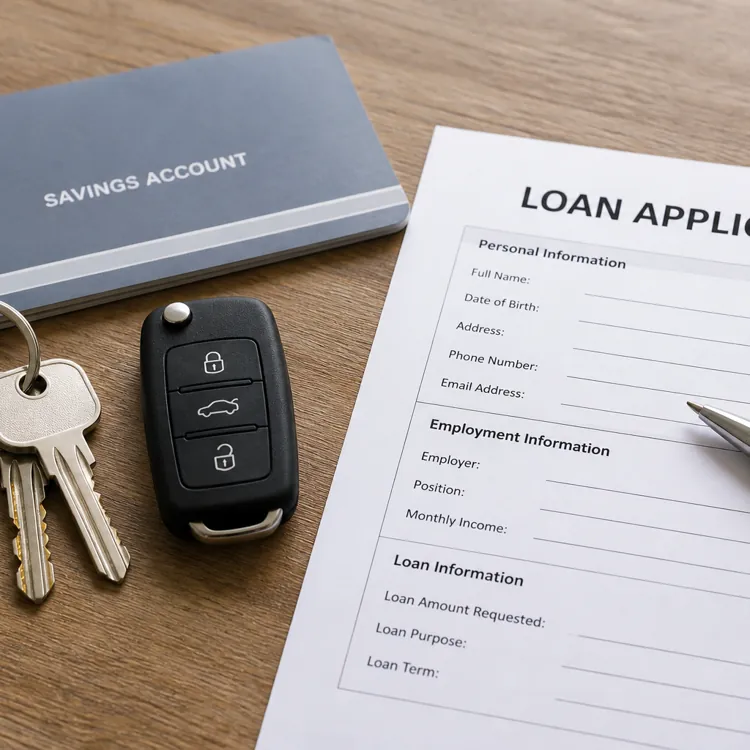
Before applying, consider gathering:
Fixed income sources like Social Security or pensions increase the likelihood of loan acceptance; erratic or irregular income can slow or reduce access to capital, according to Yates.