

Key insights
Keep cost and coverage in mind, but those won’t mean much if you don’t buy from a reputable provider.
Jump to insightCustomer reviews praising the claims process are good indicators of a reputable car warranty company.
Jump to insightOther good signs include a friendly and knowledgeable staff and a straightforward cancellation process.
Jump to insightAn unprompted phone call from someone trying to sell a warranty is likely not from a reputable company.
Jump to insightKey qualities of a reputable extended car warranty company
Before you buy an extended warranty, it’s critical that you make sure the warranty provider is trustworthy. Disreputable companies often over-promise and under-deliver, meaning you might buy a great-sounding warranty for a low price only to discover that it’s not worth the paper it’s printed on.
“Like anything, before buying, the customer should do their own independent research on the company providing the warranty or service contract,” claimed Allison Harrison, an attorney specializing in automotive law.
So, what are some of the key signs you should look for before trusting an extended auto warranty company? Here are some of the strongest signals that a warranty company is legitimate, why they matter and how to check for them.
1. Positive customer reviews
This may seem obvious, but one of the best ways you can quickly assess an extended auto warranty company’s reputation is through customer reviews.
Just be careful where you read those testimonials. Take any “reviews” you read on the warranty company’s website with a grain of salt, for example. Some of the most glowing reviews may be well-earned, but others may be cherry-picked or completely fabricated.
Many people don’t understand what their warranties cover before they sign up, so don’t take every bad review as a red flag.
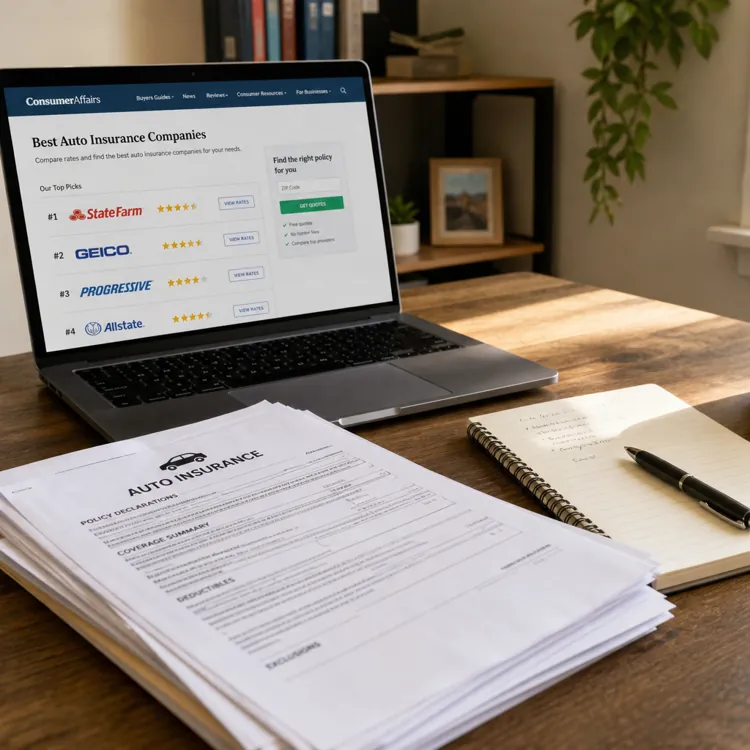
Instead, look for sources that include a mix of positive and negative reviews from actual customers, such as ConsumerAffairs. That way, you can read about the good, the bad and the ugly of a company and start to pick up on common themes.
Reputable companies should have overwhelmingly positive reviews as a direct result of their honesty, transparency and willingness to pay out claims. Those who scorn customers — or, worse, are downright scams — won’t have the same record of goodwill.
2. Reviews praising the claims process, in particular
The unfortunate truth is that some extended auto warranty companies focus all of their efforts on making the initial sale. Once they have your money, they devote very few employees and resources to handling claims. That means when it’s time to actually get your money’s worth from one of these companies, you may have a slow or unsatisfactory experience.
» LEARN: How an extended auto warranty works
That’s why it’s critical to look for extended auto warranty companies that actually follow through on their end of the deal. You can spot these companies by looking for reviews that actually mention making a claim. Ideally, you want to see a good ratio of people successfully making claims — not just people who had a positive signup experience.
The payments come out of my account, and everything up until this point has been very simple. I hope it continues to be that way if I ever need [to use] Endurance.”
For example, check out this consumer review for Endurance: “I researched four different companies, and Endurance seemed to be the best one based on what was covered and the deductible. I did the enrollment process online, and it was relatively easy to choose the policy on my own,” said Mark in Nevada. “…The payments come out of my account, and everything up until this point has been very simple. I hope it continues to be that way if I ever need [to use] Endurance.”
3. Friendly and experienced staff
If you call up an extended auto warranty company and the person who answers the phone is friendly, sincere and knowledgeable, that’s a good sign.
The most reputable extended auto warranty companies tend to have more experienced staff who are happy to answer questions without pushing a sales agenda. They’re more likely to believe that the quality of the product and the customer service they provide will sell itself, so they don’t need to fall back on cheap sales tactics to pressure you into making a hasty purchase decision.
4. No pushy sales tactics
On the flip side, if the associate on the phone can’t seem to answer basic questions about the warranty (“What’s your waiting period?”, “Do you cover spark plugs?”) and they still try to push one on you, that could be a sign that they’re trained to sell — not educate. Reputable companies educate before they sell.
In our experience, after dialing dozens of warranty companies hundreds of times, reputable extended auto warranty companies tend to be far less pushy in their sales tactics.
Sometimes, it’s easy to tell when you’re being “sold” to. An associate will use cliché sales language like “What if I told you …” and insist that the plan they’re selling is a “no-brainer.”
Be skeptical of any company that calls you out of the blue to sell you a warranty. If you start to feel uncomfortable, simply hang up the phone.
Other times, however, the pushy sales tactics can be more opaque. Reputable and disreputable companies alike will ask you what you drive and what you’re looking for. And even the most trustworthy companies have to use a little bit of sales language to keep the lights on.
But here’s a litmus test to separate the two — see how easily the associate lets you off the phone. In our experience, reps from reputable companies tend to let you go quite easily. As soon as you say you’re not ready to buy just yet, they say, “Well, we’re here if you need us!”
On the other hand, reps from less reputable companies won’t let you end the conversation until they get through their pitch. Despite your polite attempts to wrap things up, they’ll revert to the script in front of them to try to close a deal. It’s often as transparent as it is discomforting, and in general, anyone trying to push you into a sale probably isn’t your best option.
5. Reasonable pricing
This one’s pretty straightforward — reputable extended auto warranty companies are more likely to offer you reasonable rates with a low deductible (usually $100).
The average bumper-to-bumper extended warranty costs about $1,000 per year of coverage, but prices vary significantly.
That’s not always the case, of course. Each extended auto warranty company has its own proprietary way of calculating premiums per vehicle, so some may charge half as much as others for identical coverage.
Still, if you find that your quoted rates and deductibles seem unreasonably high, it might be time to get another quote. Likewise, if your quotes are suspiciously low, you might want to verify the company’s legitimacy before you give them your money.
6. An easy cancellation process
Check your warranty agreement to see the company’s cancellation process, and as you browse customer reviews, keep an eye out for those that mention canceling a plan.
Reputable extended auto warranty companies will let you cancel without putting up much resistance. They may ask you to call in or submit a written request, but that’s not uncommon for the industry. (Even trustworthy warranty companies may want to give themselves a chance to keep your business by offering a better deal, a solution to your problems and other alternatives to cancellation.)
But once you’re ready to go, reputable warranty companies should send you on your way after your business is concluded.
I also like that the plan can be canceled or even transferred to another owner without any fees. That flexibility is something I value a lot.”
“The sign-up process took just a few minutes, and the coverage kicked in the very next day. No waiting period, no hassle, no endless checks. Super convenient. I also like that the plan can be canceled or even transferred to another owner without any fees,” said Milton in Arizona while reviewing olive. “That flexibility is something I value a lot.”
Less reputable warranty companies often force you to jump through hoops to cancel your plan, and they may ignore your attempts to cancel altogether while continuing to collect payments.
If you see warnings that canceling your policy might be tedious and expensive, it might be best to look elsewhere.
What is the best extended auto warranty company?
At the end of the day, the best extended auto warranty company is one you trust that offers you the best deal on the coverage you need. There’s no universal best fit for all drivers, and finding the best provider/deal combination will require some looking on your part.
Based on thousands of verified customer reviews, coverage options and overall value, these are our standout extended car warranty companies in 2026:
- Best overall: Endurance Warranty
- Best for older vehicles: CarShield
- Best maintenance benefits: Omega Auto Care
- Best for coverage variety: Premier Auto Protect
- Best claims process: Zurich Vehicle Service Contract
- Best value: American Dream Auto Protect
Endurance remains the top extended car warranty company in 2026, offering the best combination of coverage, customer satisfaction and overall value. CarShield is a smart choice if you're looking to cover an older vehicle, while Zurich consistently earns high marks for its straightforward claims process.
If you’re looking for more, check out our picks for the best extended auto warranty companies.
FAQ
How do you know if a car warranty is a scam?
As a general rule, don’t trust anyone who calls you unprompted trying to sell you an extended auto warranty. Sometimes, though, a legitimate and reputable warranty company will call you if you’ve already submitted a request for a quote online.
If you get a call, here are a few simple ways you can detect a scammer:
- First, if the person claims to be calling from the company that built your car, it’s a scam. “Manufacturers do not call customers to extend a warranty so anyone telling you they are the manufacturer should be a red flag,” wrote Harrison, the lawyer we mentioned earlier.
- Second, if the person claims to be from a legitimate provider, like Endurance, there’s a quick trick you can pull to verify their claims — dial the provider directly using the phone number listed on their website. “Try hanging up and calling the company back. If the number does not work, it likely is a scam,” claimed Harrison.
- Third, “Ask for information on the coverage before buying. This will help sort through the scammers and leave the real providers,” wrote Harrison. Plus, as you may recall from above, seeing how a representative responds to tough, specific questions is a great way to gauge the company’s overall reputation. If they dodge your questions and keep pushing for a sale, it’s best to move on.
The extended auto warranty industry is a magnet for scam artists because it requires you to share money and personal information upfront, and many consumers don’t even realize they’ve been scammed until they try to file a claim years later.
As a result, consumers lost nearly $30 billion to fraudster calls in 2021, and the leading type of scam was fake auto warranties, according to the National Consumer Law Center.
» MORE: How to avoid car warranty scams
What should I pay for an extended auto warranty?
The average bumper-to-bumper extended auto warranty costs around $1,000 per year of coverage, but your cost will vary depending on your vehicle and warranty terms. The best way to know if you’re getting a good price on your extended warranty is by gathering quotes from different reputable providers. That way, you have context for what’s normal in your situation.
How should you choose a warranty company?
Start with a list of top-rated providers, compare features and benefits, read plenty of customer reviews and collect multiple quotes to find the best deal on the coverage you need. Before you sign your warranty agreement, though, make sure you read the fine print so that you know what you’re getting into.
What’s the difference between a manufacturer warranty and a third-party warranty?
There are several differences between a manufacturer’s extended warranty and a third-party extended warranty, including:
- What it covers
- How long it lasts
- Cancellation policy
- Pricing flexibility
A manufacturer’s warranty comes from the vehicle manufacturer and covers parts, defects and failures. These warranties last a certain number of miles or months. Since the warranty comes from the manufacturer of the vehicle you’re purchasing, there tend to be fewer questions about trustworthiness, and you will get repairs done with quality parts and service.
By contrast, an extended warranty comes from a third-party company of your choosing and widely varies in coverage and term length. You should read the fine print of any extended third-party warranty you’re considering to ensure it covers your needs. While third-party warranties can be more affordable, it’s important to vet potential warranty companies using the tactics listed above, as there are more scams with third-party extended warranties than manufacturer warranties.
What if my car has over 100,000 miles?
If your car has more than 100,000 miles, you still have options for extended auto warranty coverage. Some providers specialize in high-mileage vehicle protection and offer plans designed to fit the needs of older or well-used cars. Keep in mind that coverage may be more limited or cost slightly more than warranties for newer vehicles, but it's still possible to find solid protection.
Look for companies like Toco, which is known for accommodating older vehicles. It's also important to compare quotes and review coverage details carefully. The most reputable providers will be transparent about what's covered and what’s not, helping you avoid surprises down the road.
Article sources
ConsumerAffairs writers primarily rely on government data, industry experts and original research from other reputable publications to inform their work. Specific sources for this article include:
- National Consumer Law Center, “New Report Warns Scam Robocalls Will Continue As Long As Telephone Providers Can Rake in the Profits.” Accessed June 28, 2026.
- Consumer Financial Protection Bureau, “What Are the Differences Between a Manufacturer’s Warranty and an Extended Vehicle Warranty or Service Contract?” Accessed June 28, 2026.