


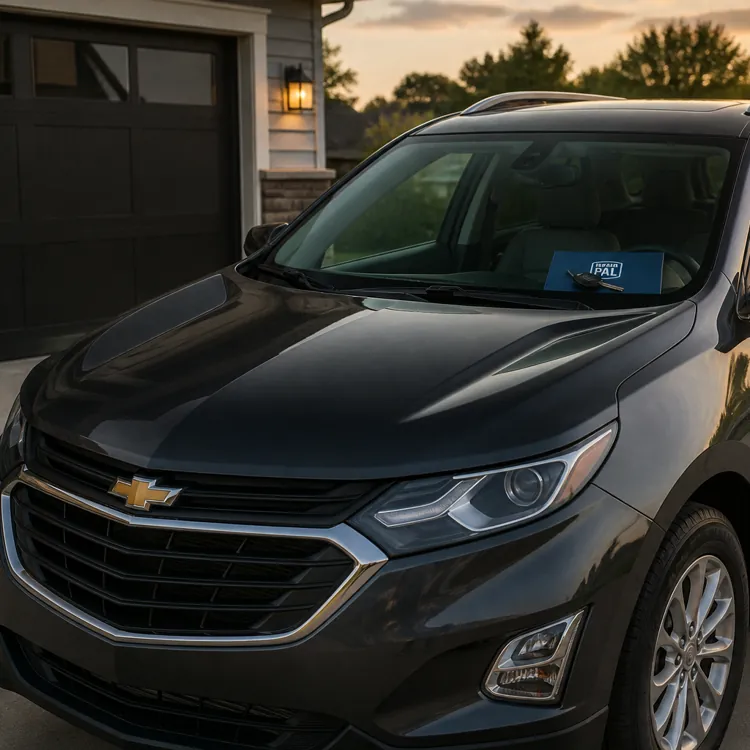
When buying an extended car warranty makes sense
Buying an extended car warranty can make sense in certain scenarios, such as:
You drive a less reliable car: If you buy from an automaker with a reported history of poor reliability, an extended warranty might be a worthy investment.
You can’t afford a sudden repair bill: It might make sense to start financing a $2,500 extended warranty with monthly payments to protect yourself from a large repair bill.
The warranty costs less than expected repairs: If an extended warranty plan costs less than how much you expect to spend on repairs, it may make sense to get a warranty.
You don’t mind paying for peace of mind: If you spent $2,500 on an extended warranty and never used it, would you regret buying it? If not, then the peace of mind alone might make the warranty worth the cost.
» MORE: Average car maintenance costs
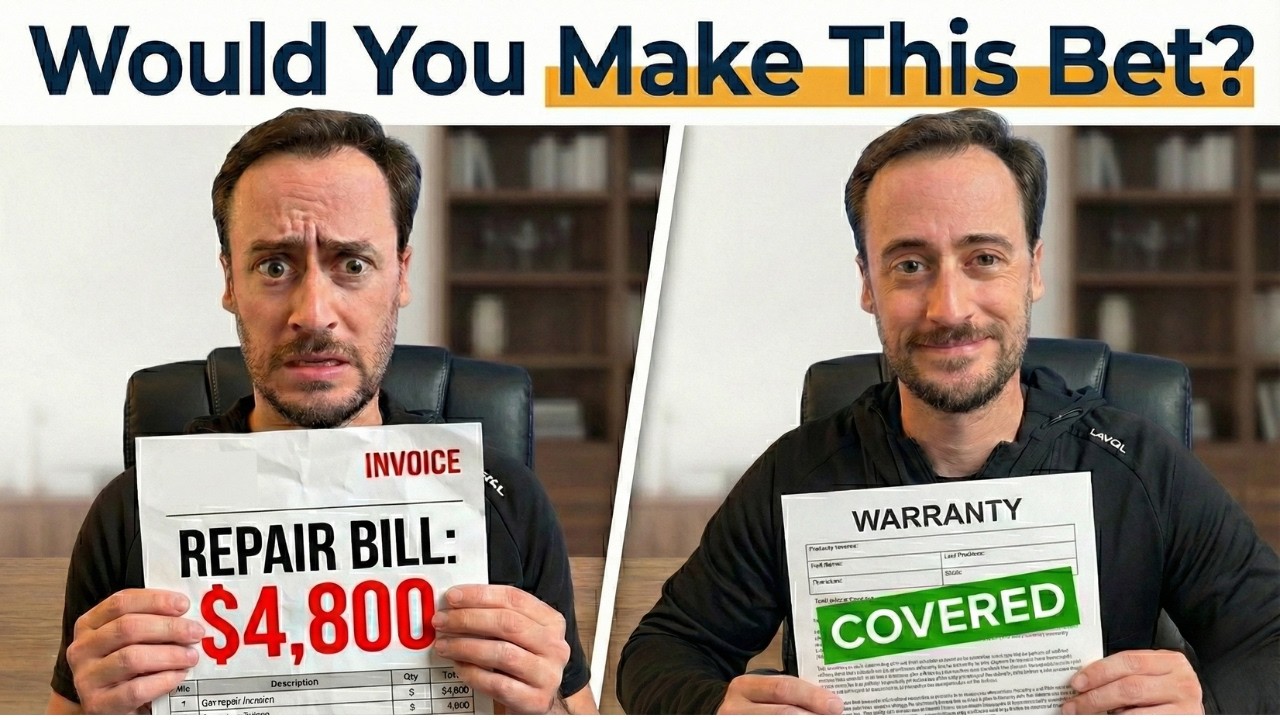
What type of car is an extended warranty best for?
An extended car warranty is typically best for older cars, used cars or luxury cars, since they all tend to have higher repair costs. It’s typically not worth getting an extended warranty for newer cars.
New cars
An extended warranty for a new car may make sense if you plan to keep the vehicle well beyond the factory warranty period or if the model has a new engine, transmission or technology package without a proven reliability history.
“Extended warranties on a new car might be worth considering if the car is all-new with no previous versions sold or if it has an entirely new powertrain that has not been sold previously on the market, and if you plan on keeping the vehicle longer than the standard new car warranty,” said Christopher Lawrence, CEO and owner of AutoAcademics, an online automotive resource for consumers.
Used cars
An extended warranty for a used car is often more valuable because older vehicles and higher-mileage models are more likely to need costly repairs. It can also help if you don’t know the vehicle’s history report or if there are gaps in the report.
Is an extended warranty worth it for high-mileage cars?
An extended warranty might be worth it for high-mileage cars since they’re more likely to need expensive repairs. If you aren’t able to cover an expensive repair bill out of pocket, an extended warranty plan can allow you to pay month to month and provide you with coverage for repairs.
Luxury cars
Luxury vehicles tend to benefit the most from extended warranties because replacement parts and labor costs are typically much higher than for mainstream brands.
For ultra-luxury vehicles, you may only be able to purchase an extended warranty from an auto manufacturer since third-party providers typically don’t provide coverage for these vehicles.
Electric or hybrid cars
Electric vehicles (EVs) or hybrid cars generally don’t need an extended warranty unless you plan to own them long term or are interested in buying an older used EV or hybrid. These vehicles tend to come with long factory warranties for batteries and related components, so you generally won’t need coverage until the factory warranty expires. Then, an EV extended warranty might be a good idea since EV batteries are expensive to replace.
What to consider when buying an extended warranty
The factors to consider when buying an extended warranty include your vehicle’s reliability, age and expected repair costs, along with your financial habits.
Vehicle reliability
If you own a car that’s generally known for its reliability, you’re less likely to use the coverage you pay for. Vehicles from brands that have a reputation for being less reliable are more likely to need repairs that would be covered under your warranty contract.
You can get an idea of your vehicle’s or specific model’s reliability through sites like J.D. Power and RepairPal. For example, according to J.D. Power’s 2026 U.S. Vehicle Dependability Study, Lexus, Buick, Mini, Cadillac and Chevrolet are the top five most reliable automakers.
Vehicle age
Older cars are more likely to break down, meaning you're more likely to use your extended warranty coverage. However, plan costs tend to increase as cars age and increase in mileage. It’s usually cheapest to purchase an extended warranty before the factory warranty expires.
Repair costs
An extended warranty is more likely to be worth the money you pay for it when the average repair costs for your vehicle are higher. Luxury and exotic cars tend to have specialized parts and premium labor costs that make even small repairs expensive.
Extended warranty vs. major repair costs
Here’s how an extended warranty compares to major repair costs:
Average extended warranty cost: $1,000 per year of coverage
Average major repair cost: $1,000 to $7,000, but varies by vehicle and type of repair
Break-even scenario: One major repair
Financial habits
Your financial habits are also a factor. If you don’t have emergency savings or if you prefer to make monthly payments to protect against high repair bills, an extended warranty can provide that security for you.
But if a large repair bill wouldn’t disrupt your budget, you may be better off skipping the warranty and setting aside money for future repairs instead. In that case, you’ll avoid paying for coverage you may never use while keeping full control over how and where your money is spent.
Checklist: when to consider an extended car warranty
You may want to consider an extended car warranty when:
You own your vehicle (you’re not leasing)
Your vehicle or model isn’t known for being reliable
You have an older vehicle
You drive a luxury vehicle with expensive parts
You don’t have emergency savings
You’d prefer to make monthly payments for a protection plan
Is an auto warranty worth the peace of mind?
Watch our video to learn whether an auto warranty is worth the peace of mind:
Pros and cons of extended warranties
There are many pros of buying an extended warranty for your car, but it’s also important to consider the potential cons.
Pros
- Protection against expensive repairs
- Additional benefits like roadside assistance or trip interruption coverage
- High-mileage plans available
- Peace of mind
Cons
- Plans are generally expensive
- May not need to use it
- Lower-tier plans are a poor value
- Coverage limitations and exclusions
What does an extended warranty cover?
An extended warranty covers the cost of repairs of systems and components that fail due to manufacturing defects under normal circumstances. Extended auto warranty companies typically offer different types of coverage, each of which covers different components. Generally, the more coverage a plan provides, the more it costs.
Types of extended warranty coverage
The most common types of extended warranties include:
Bumper-to-bumper coverage: Bumper-to-bumper plans are the most comprehensive warranties available. These plans cover all vehicle parts except for specifically excluded parts.
Powertrain coverage: Powertrain plans cover basic components like your engine, transmission and drive axles.
Electric vehicle coverage: Electric vehicle coverage extends coverage for the battery and related systems.
What isn’t covered by an extended car warranty?
What isn’t covered by an extended car warranty is generally listed in your contract. This typically includes:
Routine maintenance services, such as oil changes and tire rotations
Wear-and-tear items, such as brake pads and windshield wipers
Damage from accidents, abuse, misuse, neglect or aftermarket parts
Manufacturer vs. third-party extended warranties
You can buy an extended warranty from an auto manufacturer or a third-party extended warranty provider. Manufacturer's extended warranties tend to be more expensive than third-party extended warranties, and you can typically only buy them from a dealership. Third-party extended warranties are usually cheaper and can be purchased online.
| Manufacturer's extended car warranty | Third-party extended car warranty | |
|---|---|---|
| Coverage options | Typically more limited options, but usually bumper-to-bumper and powertrain coverage | Typically more options, including bumper-to-bumper, midtier and powertrain coverage |
| Coverage limits | Usually up to 10 years/150,000 miles | Usually up to 20 years or 300,000 miles |
| Cost | Typically more expensive | Typically more affordable |
| Deadline to purchase | Usually before the factory warranty expires | No deadline, usually available at any time as long as the vehicle meets eligibility requirements |
| Where repairs are done | Usually dealerships only | Any approved and licensed repair shop |
| Best for | Original equipment manufacturer (OEM) parts and specialized mechanics | Repair shop flexibility, affordability and broader coverage options |
Typical extended car warranty costs
Here are typical extended warranty costs by coverage type to help you decide if getting a warranty is worth the cost.
| Coverage tier | Typical annual cost | Typical total cost |
|---|---|---|
| Powertrain | $600 to $750 | $1,800 to $2,500 |
| Midlevel | $1,000 to $1,500 | $2,500 to $3,500 |
| Bumper to bumper | $1,000 to $5,000 | $3,000 to $5,000 |
How to choose the best extended car warranty
To choose the best extended car warranty for your needs, it’s important to consider:
Available providers
You can typically choose from auto manufacturers or third-party providers. With manufacturers’ extended warranties, you may need to buy coverage before your factory warranty expires. But with third-party providers, you can generally purchase coverage at any time, and many providers also offer options for high-mileage vehicles.
How to avoid extended warranty scams
Avoid extended warranty scams by looking out for companies with:
Limited information online, such as contact or plan information
Pushy sales tactics
A history of being involved in class action lawsuits
A consistent pattern of complaints in online reviews
Poor ratings on multiple websites
Provider quotes and options
It’s a good idea to get quotes from at least a few different providers and compare them to find the best rates. Coverage tends to be similar from one provider to the next, but prices can vary significantly. Also, you may be able to negotiate the cost of an extended warranty, especially if you buy a manufacturer plan from a dealership during the car buying process.
Customer reviews
Read customer reviews for the extended warranty companies you’re considering. Pay careful attention to reviews by consumers who actually filed claims. These tend to reveal the most information about how a company handles claims, including whether it's prone to denying claims.
» RELATED: Where can you use an extended car warranty?
FAQ
What is the average cost of an extended car warranty?
The average cost of an extended car warranty is around $1,000 per year of coverage for a bumper-to-bumper plan, while powertrain plans tend to be around $600 to $750 per year on average. Extended car warranty costs vary significantly depending on the vehicle, coverage level, deductible, provider and location.
Can I buy an extended warranty after my factory warranty expires?
You can typically buy an extended warranty after your factory warranty expires from a third-party provider. Most manufacturers require you to buy their extended warranty plans before your original warranty coverage has ended.
Can you cancel an extended car warranty?
Yes, you can typically cancel an extended car warranty within 30 to 60 days for a full refund, as long as no claims have been filed. After that time, you may receive a prorated refund. Some providers may also charge cancellation fees.
Does an extended warranty increase my car’s resale value?
An extended warranty may increase your car’s resale value if your coverage can be transferred to a new owner when you sell your car. This means you would be selling your vehicle with additional coverage that would otherwise cost the new owner money to purchase for themselves.
What’s the difference between an extended warranty and mechanical breakdown insurance?
The main difference between an extended warranty and mechanical breakdown insurance (MBI) is that an extended warranty is sold by auto manufacturers or third-party companies while mechanical breakdown insurance is sold by car insurance companies. Both products offer similar coverage for mechanical repairs.
Article sources
ConsumerAffairs writers primarily rely on government data, industry experts and original research from other reputable publications to inform their work. Specific sources for this article include:
J.D. Power, “Vehicle Software Updates Become More Routine, but Fall Short on Perceived Benefit, JD Power Finds.” Accessed Sept. 23, 2026.