


How to choose a car shipping company in 7 steps
Start by figuring out whether you’re working with a broker, a carrier or both. Then compare transport options, check FMCSA records, review insurance and get every price, fee and timing promise in writing before you pay a deposit. Before pickup, document your car’s condition so you have proof if it arrives with damage.
1. Understand how car shipping works (and who you’re hiring)
Most car shipping companies offer door-to-door service, which means the truck picks up and drops off the vehicle as close to your address as local roads and truck access allow.
Timing of the drop-off depends on distance, route demand and how flexible you are with pickup and delivery windows. This means a coast-to-coast move usually has a longer timeframe than a short in-state move.
Note that a lot of companies market themselves as car shippers, but they’re brokers rather than carriers. This is worth sorting out early because the broker arranges transport with a third-party driver while the carrier owns the truck and physically moves the car. Ask this simple question: Who will be on the hook for my vehicle when it leaves my driveway?
Broker vs. carrier: What’s the difference?
A broker can save you time by lining up a carrier, but that middle step may add fees or muddy the handoff if terms aren’t clear. A carrier is a company with a truck, trailer and driver who takes the car down the road. If you get a quote from a broker, ask for the carrier’s name before pickup and confirm it matches the registration record.
2. Choose the right shipping method for your vehicle
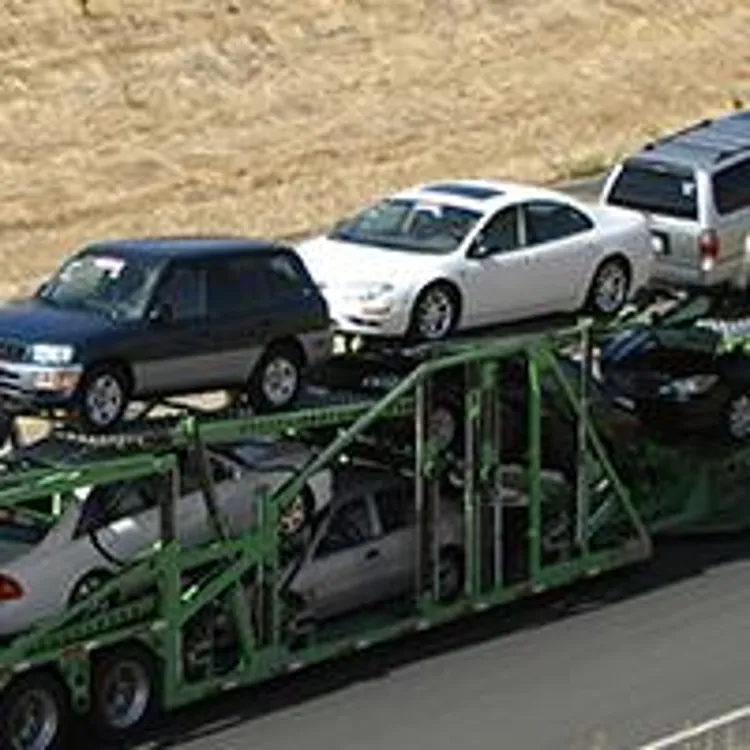
Your car shipping method changes both the price and protection. Open transport is the most common choice and usually costs less, which is why it’s the default for everyday vehicles. Enclosed transport costs more, but it gives extra shelter from weather and road debris, which is why owners of classic or high-value cars often choose this option.
For a regular sedan, open transport often makes sense. For a restored muscle car with fresh paint, enclosed transport may be worth the added expense if you’d rather pay more than gamble with the finish.
Expedited shipping can shorten the wait if you’re on a hard deadline, but speed tends to come with a higher bill.
3. Research companies and check credentials
A legitimate auto transporter should have an active USDOT number and MC number, and you can check those through FMCSA records. Look for a real street address, a working phone number and a company name that matches the registration record. If a company dodges basic licensing questions, you’ll want to avoid using it.
FMCSA also makes insurance filing rules public, which helps you confirm that a carrier has the required financial responsibility on file. That doesn’t replace your own review of cargo coverage, but it gives you a place to start. If the paperwork feels a little muddy, stop and ask for clarity before you put down a deposit.
Share your car shipping experience
If you’ve shipped a vehicle before, consider writing a review on ConsumerAffairs.com to help others find trustworthy car shipping companies.
4. Get multiple quotes (and understand what they include)
Get at least three car shipping quotes so you can see where the numbers line up and where they don’t. Prices can swing based on route, demand and the way each company structures fees. A quote that is far below the others may look attractive initially, but it can turn into a financial headache if the price climbs after you book.
Make sure the estimate spells out pickup, drop-off, fees and timing in plain language. If a rep gives you a number without saying what’s included, press for a written breakdown. A good quote should let you compare apples to apples, not apples to oranges.
Car shipping cost factors
There are several things that can influence the cost to ship your car:
- Distance and route popularity: Busy lanes usually cost less than a rare route because carriers can fill trailers faster.
- Vehicle size and weight: Bigger vehicles take more room and may cost more to move.
- Open vs. enclosed transport: Extra protection often equals extra cost.
- Seasonal demand: Summer often costs more because more people are moving cars.
- Expedited delivery: Faster service usually raises the price.
- Pickup flexibility: If you can wait a few days, you may get a better quote than someone who needs pickup tomorrow.
5. Watch for scams, red flags and hidden fees
Some red flags show up before the truck ever arrives. Be careful with any company that offers a very low quote, pushes a large upfront payment or gives you vague paperwork with missing prices, dates or company details. Avoid companies that demand large deposits, ask you to sign blank paperwork or lack proper DOT registration for interstate moves.
Avoid a company if it:
- Won’t give you its MC number or USDOT number
- Uses a company name that doesn’t match FMCSA records
- Refuses to put fees, timing and payment terms in writing
- Asks you to sign blank or incomplete paperwork
- Demands a large deposit before pickup
- Won’t identify whether it’s a broker, carrier or both
- Won’t provide the assigned carrier’s name before pickup
- Claims every type of damage is covered but won’t show the policy terms
» RELATED: Moving scams
6. Confirm insurance coverage and contract details
Insurance is one of the most important parts of shipping a car because it determines what happens if your vehicle gets damaged in transit. Ask the carrier what its cargo insurance covers, what it excludes, whether there is a deductible and whether coverage limits apply.
Get those answers in writing before pickup. FMCSA records can help you check registration and some financial responsibility filings, but they don’t replace a written explanation of the carrier’s cargo coverage.
Before signing, review:
- Payment terms
- Deposit amount
- Cancellation policy
- Pickup and delivery window
- Damage claim process
- Carrier name, USDOT number and MC number
If the company says one thing on the phone and the contract says another, rely on the contract. That’s the paper trail you’ll need if you have to dispute a charge or file a claim.
Pro tip
Verbal promises are cheap. If the truck is late, the price changes or the car shows up with damage, written terms give you merit in court.
7. Prepare your car and document its condition
Before pickup, remove personal items, toll tags and anything loose inside the vehicle. Carriers may limit what can stay in the car, and personal belongings may not be covered if they’re lost or damaged.
Wash the outside of the car if you can, then take clear photos of every side, the roof, bumpers, windshield, wheels and interior. At pickup, review the inspection report or bill of lading before you sign and make sure existing scratches, dents and other damage are listed.
Do the same inspection at delivery before signing the final paperwork. If you spot new damage, note it on the delivery paperwork, take photos and contact the company right away.
» MORE: The best car shipping companies
FAQ
How much does it cost to hire a car shipping company?
Car shipping usually runs from about $500 to $1,700, though the price can move higher or lower depending on distance, carrier type and timing. For a cross-country move, you should expect a higher bill than for a short regional route.
How much should I pay upfront when shipping a car?
Be careful with large upfront payments before pickup. A modest deposit may be normal, but a company that wants a big chunk of money before it has done the work deserves extra scrutiny.
How far in advance should I hire a car shipping company?
Give yourself enough time to compare quotes, check FMCSA records and read the contract before the pickup date. If your move is tied to a deadline, start earlier so you’re not forced to accept the first quote that lands in your inbox.
How do I know if a car shipping company is legitimate?
Check for an active USDOT and MC number, then match the company name and contact details against FMCSA records. A legitimate transporter should also be willing to discuss insurance, give you a written contract and explain who will actually move your car.
Article sources
ConsumerAffairs writers primarily rely on government data, industry experts and original research from other reputable publications to inform their work. Specific sources for this article include:
- Federal Motor Carrier Safety Administration, “Consumer Advisory About Automobile Transporters.” Accessed May 10, 2026.
- Federal Motor Carrier Safety Administration, “10.14 Bill of Lading Requirements.” Accessed May 10, 2026.
- Federal Motor Carrier Safety Administration, “Get Operating Authority (Docket Number) | FMCSA.” Accessed May 9, 2026.
- Federal Motor Carrier Safety Administration, “SAFER Web - Company Snapshot.” Accessed May 9, 2026.
- Federal Motor Carrier Safety Administration, “What are the definitions of motor carrier, broker and freight forwarder authorities?” Accessed May 9, 2026.
- Federal Trade Commission, “Avoid scams when you hire a moving company.” Accessed May 10, 2026.
- Federal Motor Carrier Safety Administration, “File a Moving Fraud Complaint.” Accessed May 10, 2026.
- Federal Motor Carrier Safety Administration, “Types of Operating Authority.” Accessed May 10, 2026.
- Federal Motor Carrier Safety Administration, “Insurance Filing Requirements.” Accessed May 10, 2026.