


How does a repossession work?
A repossession, or repo, results in the loss of collateral that a borrower puts up in exchange for a loan. It occurs when a borrower fails to meet the loan's payment terms, usually over an extended period.
Once the lender seizes collateral, it acquires ownership of the property. It can then choose to sell it to recoup some of the losses.
There are both voluntary and involuntary repossessions.
- A voluntary repossession is when you willingly give up your property to your lender.
- An involuntary repossession is when a lender seizes your property without your permission.
Two common types of repossessions are auto repossession and home foreclosure. With an auto repossession, your lender can seize the vehicle, and in a home foreclosure, your lender can take possession of your home and put it up for auction.
However, you may still owe your lender if your collateral does not cover the total balance. It is important to resolve this debt as soon as possible to avoid further damage to your credit.
Your state will stipulate the exact process, so be sure to check your local laws for borrower and creditor rights.
How long does a repossession stay on your credit?
A repossession does not only result in the loss of your collateral; it is also reported to the main credit bureaus: Equifax, Experian and TransUnion.
“Consumers who are facing repossession are usually also behind on their monthly payments, which will also negatively affect a credit score leading up to the repossession,” explained Leslie H. Tayne, the founder of Tayne Law Group in Melville, New York. “So it’s not only the repossession that hurts your credit, but falling behind on payments beforehand also damages your score.”
Negative information generally stays on your credit report for seven years, including collections and repossessions. Exact timelines can vary, but Experian, for example, begins the seven-year period on the date of your first missed payment that initiated repossession.
Dana Ronald offered his advice based on his experience as the president for 40 years of the Tax Crisis Institute. “A repossession will appear on a credit report for seven years after the original missed payment,” he shared. “Lenders tend to look back at your past 12 months of activity more than your history, so your credit score will drop abruptly, but then deteriorate (slower) if you have no additional negative marks,” he said.
If you file for bankruptcy, as well, this can stay on your report for up to 10 years.
However, there are some instances where reporting limits don’t apply and entities may be able to see negative information after seven to 10 years. If you apply for employment paying more than $75,000 annually or you apply for $150,000 or more in credit or life insurance, past negative marks like repossession may be viewable by potential employers, companies or creditors.
Medical collection debt is another exception, with VantageScore not including debts under $500 nor any paid medical collection debt on credit reports.
Additionally, in New York, paid collections are typically removed from your account within five years, instead of the usual seven.
How does repossession affect your credit score?
Exactly how much a repossession affects your credit score depends on several factors, including your total debt and the total period of non-payment.
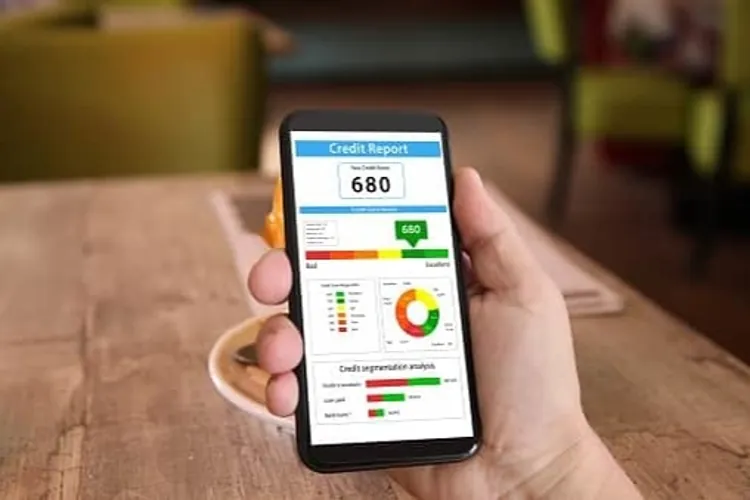
When you have several missed payments on your account, it can put your account into collections, quickly impacting your credit score and affecting your credit report. It could be enough to cause your credit to nosedive, dropping from excellent to good or even fair.
Repossession is one of the most stressful credit events I see, but it is not the end of the road.”
FICO’s scoring models use payment history as a major weighted factor, so when negative payment history is reported in the form of collections, it can cause your credit score to decrease, or even plummet in some cases.
In addition to your collections account, your credit score may also be affected in other ways. Each step of the collections process can have a bearing on your credit report, including late payments and loan defaults.
Late payments and defaults are generally reported first by your lender and then the credit bureaus, eventually affecting your credit score. These negative marks, in addition to your collections, can easily cause a significant drop in credit score.
Repossession reporting rights
Consumers have certain rights regarding credit reporting under consumer protection laws, including the Fair Credit Reporting Act (FCRA).
- You have the right to dispute incorrect or outdated information with the associated credit bureau.
- You have the right to a written notice of repossession from your lender.
- You have the right to a free annual credit report.
- You have the right to privacy and data protection under the FCRA.
Additionally, both the Consumer Finance Protection Bureau (CFPB) and the Federal Trade Commission (FTC) regulate repossession, so you have the right to escalate disputes to these agencies if you are unable to resolve the issue with the credit bureaus themselves. Be sure to keep careful records throughout the entire process.
Information must be removed from your credit report after it expires. However, keep in mind that if you file for bankruptcy, the standard seven-year reporting period may be affected, as it generally takes 10 years to recover. Therefore, it is best to consult a bankruptcy lawyer if you decide to go this route.
Additionally, you may be able to speed up the removal of a repossession on your credit report through a special settlement, but it requires written approval from your lender.
How to dispute a repossession from your report
If you believe there is false, incomplete or outdated information on your credit report, you have the right to file a dispute and request its removal. No fees may be assessed with this removal.
“Only if the date of the missed payment, the amount owed, or the repossession status is incorrect can you fight a repossession. Proof of erroneous information must be sent to all three main credit reporting organizations,” said Ronald, before issuing a warning. “Do not argue for nothing. False claims are unlikely to succeed and may hinder your progress.”
Tayne agrees. “Consumers should not dispute a repossession just because it negatively affected their credit profile. If the repossession is warranted, nothing will come of the dispute,” she said. “But if there is an error, such as improper reporting or inaccuracies, disputing can be a worthwhile effort to lift your score.”
If you feel you have a substantiated case, here’s how to proceed.
File a dispute with the credit bureaus
File a report with the credit bureaus showing this error on your credit reports.
Be sure to include:
- Your full name and address
- A detailed explanation of the error, including what is wrong and why
- A copy of your credit report, with the error highlighted or circled
Use the credit bureau’s dispute form to explain the error in detail; if one is not provided, the FTC provides a sample letter to help. Include copies of all supporting documentation.
Be sure to make copies of everything for your records, and then mail via certified mail. Store the mailing and tracking information with your records.
| Dispute portal | Phone number | Address | |
|---|---|---|---|
| Equifax | Equifax dispute form | (866) 349-5191 | Equifax Information Services LLC P.O. Box 740256 Atlanta, GA 30348 |
| Experian | Experian dispute form | (888) 397-3742 | Experian P.O. Box 4500 Allen, TX 75013 |
| TransUnion | TransUnion dispute form | (800) 916-8800 | TransUnion LLC Consumer Dispute Center P.O. Box 2000 Chester, PA 19016 |
The 30-day investigation window may extend by 15 days if the credit bureau requests additional information from you.
The credit bureau has 30 days to investigate your dispute and respond in writing with either a decision or a request for additional information. If the bureau does not rule in your favor, you may still request that the statement of dispute be added to your file and included in future credit reports.
You may also request that the bureaus send notice of either the corrections or the dispute statement to anyone who received your report within the last six months, as well as anyone who received a copy of your report within the last two years for employment purposes.
» RELATED: How long it takes to dispute an error on your credit report
File a dispute with the reporting business
You should also report any credit report errors to the business that is reporting the negative information.
“The lender is required to investigate and research the reported error,” said Tayne.
The FTC also provides a sample letter you can use. It should include the same information that you sent to the credit bureaus, including copies of supporting documentation, and mail it via certified mail.
The business must report this dispute to any credit bureaus they use, stating whether they support or deny your claim.
Reporting fraud and scams
You can make a report to the FTC if you feel a business or bureau has acted unfairly or if you think you may have been the victim of a scam. Visit ReportFraud.ftc.gov to file an official report.
» NEXT: How to avoid debt relief scams
How to rebuild your credit after a repossession
Even if you experience a repossession, all is not lost.
“I work with people who are already under financial pressure,” shared Ronald of the Tax Crisis Institute. “Repossession is one of the most stressful credit events I see, but it is not the end of the road.”
There are several ways to improve your credit:
- Take stock of your debts and budget. First, take stock of your current financial status. Compile a list of all debts and compare that to your monthly income.
- Ask for a payment plan. If you cannot afford to pay off all your debts, talk to your lender. It may be able to offer you a payment plan to make repayment a bit more manageable.
- Create a monthly budget. To help manage monthly expenses and debt, create an accounting of your debt and use a budgeting app like Rocket Money or Quicken Simplifi to help you stay on track going forward.
- Make timely payments. Once you have your budget, be sure to make all payments on time and in full. Over time, you will build a positive payment history and, in turn, build your credit.
- Watch your credit utilization. Your credit utilization ratio is another important factor when calculating your credit score, so be sure to properly balance your debt with your monthly income. You should aim for a credit utilization ratio of 30% or less, according to the CFPB.
- Limit new credit. New credit can also affect your credit score, so try to avoid applying for new credit while you work on your score.
- Become an authorized user. You may not be able to get a new credit card right away, but ask a trusted family member or friend if you can be an authorized user on their card. As long as the credit card issuer reports to the credit bureaus, you can then use those monthly payments to build a positive payment history and fix your credit over time. However, if the primary cardholder misses payments, this can negatively impact your credit, as well.
- Work with a credit counselor. A credit counseling agency can work with you to adjust your financial habits so you can improve your financial health going forward. To choose a counselor who can help, check the Department of Justice’s approved list of state credit counseling agencies.
“Consistency will be key here,” said Tayne, “So making sure that the consumer makes on-time payments to all their debts, paying at least the minimum payment, is essential. It’s also a good idea to make more than the minimum payment whenever possible, as this will help speed up recovery.”
Be sure to check your credit report frequently to monitor your progress. This will help ensure your positive payment history is being reported. It will also allow you to immediately identify any discrepancies on your credit report so you can correct them immediately.
You can check your credit report for free at AnnualCreditReport.com. If your budget allows, consider signing up for a credit report site that not only gives you access to your credit reports but also offers additional features such as automatic alerts and credit-building tools.
Ultimately, how long it takes to improve your credit score depends on your personal situation and how proactive you are in rebuilding your credit.
FAQ
How do I dispute an incorrect repossession on my credit report?
To file a dispute for an incorrect repossession, first contact the credit bureau reporting the error, then the business that reported the error to the credit bureau. The FTC provides sample letters for your dispute.
Can I negotiate with a lender to remove a repossession from my credit report?
Your lender may be willing to remove a repossession from your credit report if you resolve your debt or make another arrangement. Sometimes, a lender will remove a negative report out of goodwill if you experience a major emergency, such as a critical illness or loss of employment.
Will paying off the deficiency balance after repossession improve my credit score?
A repossession can significantly impact your credit score, but paying off your debt is one major step toward future financial health and will ultimately help improve your credit score.
How soon after a repossession can I qualify for a new car loan or mortgage?
You may be able to get a mortgage or buy a new car with bad credit and a repossession, but generally, the longer you wait, the better, so you can qualify for the best terms for your loan.
What happens to my credit if I declare bankruptcy after a repossession?
The statute of limitations for bankruptcy is generally 10 years, affecting your credit score for significantly longer than the average repossession.
Article sources
ConsumerAffairs writers primarily rely on government data, industry experts and original research from other reputable publications to inform their work. Specific sources for this article include:
- CBS News, “Vehicle repossessions surging at pace on par with Great Recession,” Accessed Dec. 20, 2025.
- Equifax, “What is Repossession and How Does it Work?,” Accessed Dec. 20, 2025.
- TransUnion, “How Long Do Collections Stay on Your Credit Report?” Accessed Dec. 20, 2025.
- Experian, “Do Repossession and Voluntary Surrender Appear on a Credit Report?” Accessed Dec. 20, 2025.
- Experian, “When Does the 7 Year Rule Begin For Delinquent Accounts?” Accessed Dec. 20, 2025.
- Consumer Financial Protection Bureau, “How long does information stay on my credit report?” Accessed Dec. 20, 2025.
- American Express, “How Long Does a Repo Stay on Your Credit Report?” Accessed Dec. 20, 2025.
- Capital One, “What is repossession, and how does it impact your credit?” Accessed Dec. 20, 2025.
- Fox Business, “This 1 Mistake Could Tank Your Credit Score by 100 Points,” Accessed Dec. 20, 2025.
- Consumer Financial Protection Bureau, “A Summary of Your Rights Under the Fair Credit Reporting Act,” Accessed Dec. 20, 2025.
- Federal Register, “Bulletin 2022-04: Mitigating Harm From Repossession of Automobiles,” Accessed Dec. 20, 2025.
- Federal Trade Commission, “Disputing Errors on Your Credit Reports | Consumer Advice,” Accessed Dec. 20, 2025.
- Federal Trade Commission, “Sample Letter to Credit Bureaus Disputing Errors on Credit Reports | Consumer Advice,” Accessed Dec. 20, 2025.
- Consumer Financial Protection Bureau, “Credit score myths that might be holding you back from improving your credit,” Accessed Dec. 20, 2025.
- Fair Isaac Corporation, “How do authorized user accounts impact the FICO Score?,” Accessed Dec. 20, 2025.
- U.S. Department of Justice, “U.S. Trustee Program | List of Credit Counseling Agencies Approved Pursuant to 11 U.S.C. § 111,” Accessed Dec. 20, 2025.
- Capital One, “How Long Do Repos Stay on Your Credit?” Accessed Dec. 20, 2025.
- Experian, “Can I Get a Car Loan After a Repossession?” Accessed Dec. 20, 2025.
- Consumer Financial Protection Bureau, “How long does a bankruptcy appear on credit reports?” Accessed Dec. 20, 2025.