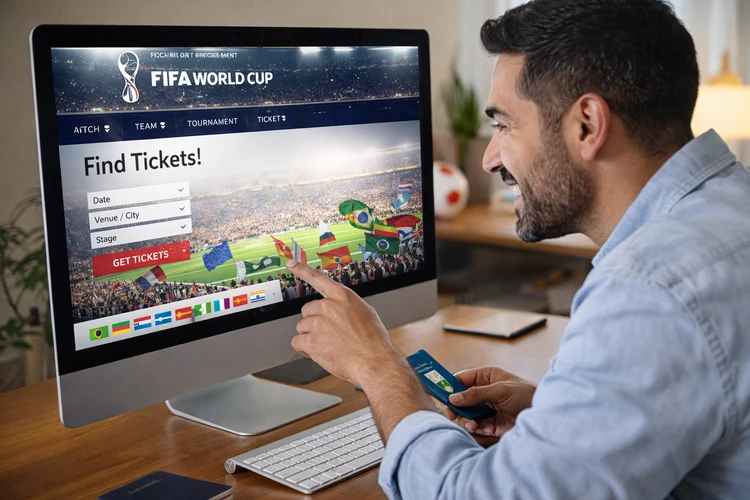

Scammers are already targeting 2026 FIFA World Cup fans with fake ticket websites that look legitimate but sell counterfeit tickets that won’t work at the gate.
The safest way to buy tickets is through FIFA’s official site — avoiding third-party sellers and risky payment methods can help protect your money and personal information.
If you do get scammed, acting quickly — contacting your bank, securing your accounts, and saving evidence — can help limit the damage and improve your chances of recovering funds.
The countdown to the 2026 FIFA World Cup is on, and for many fans, that means one thing: securing tickets before they’re gone. But as demand ramps up, so do the scams.
Federal regulators and FIFA are already warning that fraudulent ticket websites are popping up well ahead of kickoff — and they’re designed to look convincing enough to fool even savvy buyers. These sites often mimic official branding and promise access to hard-to-get seats, only to leave fans with counterfeit tickets that won’t work at the gate.
ConsumerAffairs spoke with Bitwarden security expert Gary Orenstein, who explained that the risks go beyond just losing money — handing over login or payment information on a fake site can open the door to identity theft and compromised accounts. As the tournament approaches, understanding the red flags — and how to protect yourself — could make the difference between cheering in the stands and being turned away at the door.
Spotting fake tickets
Orenstein explained that the most common tactics ahead of the World Cup include fake ticketing sites, counterfeit merchandise storefronts, and credential harvesting pages that replicate FIFA's branding, logos, and design.
“Since August 2025, cybercriminals have registered more than 4,300 fake domains tied to the World Cup, according to Check Point Research,” Orenstein said.
“Before entering any payment or login details, fans should verify they are on the official FIFA.com domain and treat any pop-up message or countdown timer as an immediate red flag. Other common characteristics of fake sites include spelling errors, pixelated images, and suspicious phone numbers. If a deal looks too good to be true, it likely is, considering secondary market tickets are already approaching $900.”
How to protect yourself
To ensure the tickets you’re trying to purchase are legitimate, Orenstein recommends the following:
Purchase tickets exclusively through FIFA.com/tickets, the only official source for both primary sales and verified resale.
For fans looking to resell or exchange, FIFA operates two official channels: the FIFA Resale Marketplace for U.S., Canadian, and international residents, and the FIFA Exchange Marketplace for Mexican residents.
Avoid third-party sites, Facebook Marketplace, and any seller requesting payment via peer-to-peer apps like Venmo, Zelle, or CashApp, or by wire transfer. Payments made through these channels are nearly impossible to recover once sent, and offer none of the fraud protections that come with a credit card.
Use a credit card wherever possible – if a charge turns out fraudulent, you have a clear path to dispute it and recover your money.
What to do if you’re scammed
If you find yourself involved in one of these ticket scams, hope isn’t lost. But you’ll need to act immediately.
Here are Orenstein’s tips:
Contact your bank or credit card provider to dispute the charge and flag potential fraud.
If you used a digital card number, request a new one immediately – scammers can execute fraudulent charges within seconds of capturing those details.
Change passwords on any account where you used the same credentials, and enable multifactor authentication if you have not already.
Preserve all evidence, including screenshots, URLs, and message threads, as these will be required if you file a report with consumer protection authorities.
Do not be embarrassed to report it, these operations are sophisticated and professionally run, and victims span every age group and technical background.
“The World Cup is a once-in-a-generation event, and that emotional investment is exactly what scammers count on,” Orenstein said. “Urgency, excitement, and fear of missing out are the enemies of careful decision-making.”