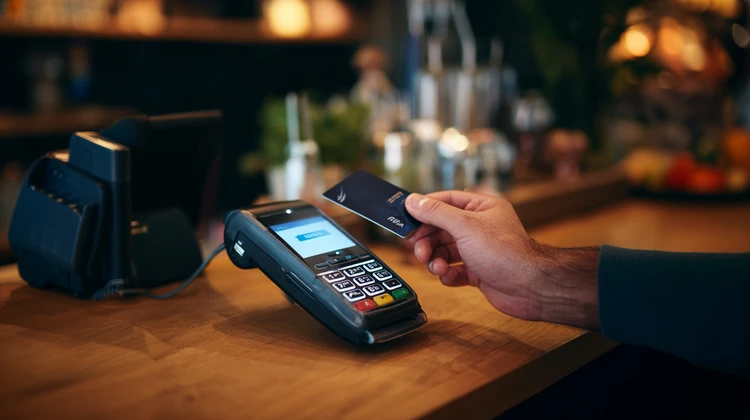

“Ghost tapping” scams are up ~150%: Scammers use fake NFC readers to charge your credit card or phone in crowded places without you noticing.
Protect yourself: Turn on instant alerts, lock your phone, and keep cards secure (not loose in pockets or near the edge of your wallet).
Don’t ignore small charges: Scammers test with $5–$10 transactions first, and catching it early can stop bigger fraud and improve your chances of getting your money back.
Tap-to-pay is fast, easy, and everywhere. But that same convenience is now being exploited in a growing scam called “ghost tapping,” where thieves can charge your card or phone without you even realizing it.
Fraud tied to this tactic has surged by roughly 150% over the past year, with scammers targeting crowded places like malls, airports, and public transit.
Here’s what’s happening, and what you should actually do about it.
What is 'ghost tapping'?
Ghost tapping uses the same near-field communication (NFC) technology that powers tap-to-pay.
Instead of a legitimate checkout terminal, scammers use handheld devices that mimic a payment reader. If they get close enough to your phone or card, they can trigger a transaction without you actively paying.
In some cases, victims don’t notice until days later when they check their statements.
Why it works
The scam relies on two things: proximity and distraction.
When you’re in crowded areas with people all around, it makes it easy for someone to get close enough to you without raising any suspicion in your mind. And because tap-to-pay doesn’t always require a PIN for small purchases, scammers often test with a low-dollar charge first.
That’s why many victims initially see charges in the $5–$10 range before a bigger charge likely happens.
What you should do right now
- Turn on instant transaction alerts. This is your first line of defense. Set up push notifications or texts through your bank or credit card so you’re alerted immediately when a charge hits. Then call your credit card or bank immediately if you get notified of a charge you didn’t make.
- Lock down your phone and wallet. Enable Face ID, fingerprint, or passcode protection on your phone. For physical cards, avoid keeping them loose in your pocket where someone can easily get close to it. Also, try not to have your credit card as the card nearest the outside of your wallet. Have that card be a gift card, loyalty card, or some other harmless card.
- Watch for small “test” charges. Don’t ignore a random $6 charge. That’s often how scammers test if your account is active. Report it immediately to stop larger fraud attempts.
Smart tips to stay ahead
- Use a digital wallet (like Apple Pay or Google Pay) instead of tapping your physical card: They add an extra layer of tokenized security.
- Consider RFID-blocking wallets or sleeves for your cards: A wallet can be picked up on Amazon for less than $15.
- Make it a habit to check your statements weekly, not monthly: Reporting a fraud claim right after it happens improves your chances of a recovery.
Why this matters
Tap-to-pay isn’t going anywhere. In fact, it’s becoming the default way most people pay.
But as that convenience increases, so does the opportunity for scammers to take advantage.
The takeaway is simple: You don’t need to stop tapping to pay, you just need to tighten how you use it. Small adjustments now can save you from a much bigger headache later.