
Auto insurers are paying more for repairs, medical care, and legal settlements as vehicles become more technologically complex.
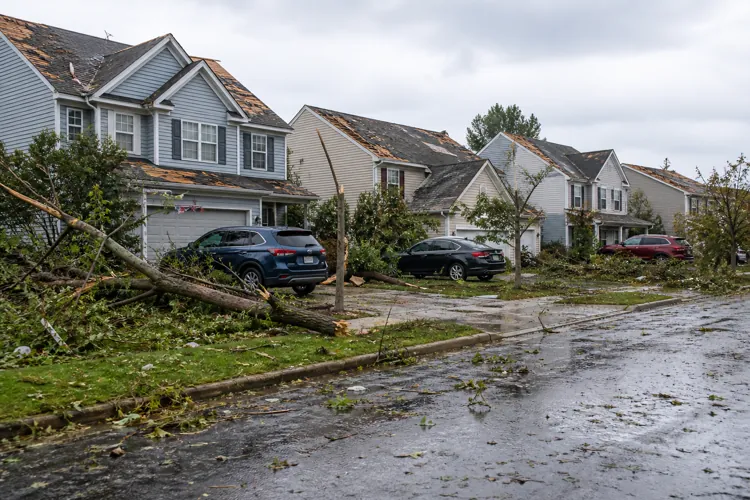
Homeowners insurers face mounting losses from hurricanes, wildfires, hailstorms, and other severe weather, along with higher rebuilding costs.
Premium increases may continue even after inflation cools because insurance rates often reflect losses from previous years and require regulatory approval.
Insurance premiums have become an increasingly painful part of household budgets, with many drivers and homeowners paying substantially more than they did just a few years ago.
The reasons go beyond general inflation. Insurers are confronting more expensive claims, costly natural disasters, and changing risks that are difficult to predict. In some markets, companies are also trying to recover losses incurred when premiums failed to keep pace with rapidly rising costs.
Recent figures suggest that some of the pressure on auto premiums may be easing. The motor vehicle insurance index declined 4.5% during the 12 months ending in July, according to the Bureau of Labor Statistics (BLS). But that national average follows several years of sharp increases, and consumers in some states are still receiving large renewal notices.
Why auto insurance costs more
One of the biggest forces behind higher auto premiums is the rising cost of repairing a vehicle.
Modern cars contain cameras, radar units, sensors, and other electronics that support safety features such as automatic emergency braking and lane-keeping assistance. Even a minor collision can damage that equipment, which may require replacement and recalibration.
Labor and parts have also become more expensive. The BLS reported that motor vehicle maintenance and repair costs rose 6.6% during the 12 months ending in July.
Other factors include:
Higher medical bills following accidents
Larger jury awards and legal settlements
More claims involving distracted or dangerous driving
Vehicle theft and insurance fraud
Weather-related damage from hail, flooding, and hurricanes
Insurers must also account for the higher value of vehicles. Even though used-car prices have retreated from their pandemic-era peak, replacing a totaled car generally remains more expensive than it was several years ago.
A policyholder’s location, driving history, annual mileage, vehicle, and credit-based insurance score — where state law allows its use — can all affect the final premium.
Why homeowners insurance costs more
Homeowners insurance is under a different but overlapping set of pressures.
The most visible factor is the growing cost of natural disasters. Hurricanes and wildfires can produce enormous losses, but insurers are also paying billions of dollars for thunderstorms, tornadoes, and hail events scattered across the country.
A Treasury Department analysis found that homeowners in areas with the greatest climate-related risks paid substantially more than those in the lowest-risk ZIP codes. They were also more likely to have their policies canceled or not renewed.
The price of rebuilding is another major issue. Construction labor, roofing materials, lumber, and household equipment all cost more than they did before the pandemic. When replacement costs increase, insurers may raise both the home’s coverage limit and the premium charged for that protection.
Insurers also purchase their own coverage, known as reinsurance, to protect themselves against catastrophic losses. When reinsurance becomes more expensive or difficult to obtain, those costs can work their way into homeowners premiums.
In particularly risky markets, some insurers have stopped writing new policies or reduced their exposure. Less competition can leave homeowners with fewer choices and push some into expensive state-backed insurance programs.
Why premiums can rise after inflation slows
Insurance pricing tends to lag behind changes in the economy.
A company may discover that the premiums it collected in one year were insufficient to cover claims. It then seeks higher rates for the following year. In states where regulators must approve increases, the process can add another delay.
That means consumers may face an increase today based partly on repair bills, lawsuits, or disaster losses incurred months or years earlier. Industry data show property and casualty insurers have begun to recover financially after several years of elevated claims, but that does not guarantee immediate relief for policyholders, according to the Insurance Information Institute.
What consumers can do
Shopping around remains one of the most effective responses because insurers calculate risk differently. Consumers should compare identical coverage limits and deductibles rather than looking only at the quoted premium.
Bundling home and auto policies may produce a discount, but shoppers should still compare the combined price against separate policies. Raising deductibles can reduce premiums, provided the household has enough savings to pay the larger amount after a loss.
Drivers may also qualify for discounts based on low mileage, safe-driving programs, or defensive-driving courses. Homeowners can ask about credits for newer roofs, storm shutters, monitored alarms, water-leak sensors, and other loss-prevention improvements.
Consumers should be cautious about reducing liability or replacement-cost coverage simply to lower the bill. A cheaper policy can become extremely expensive if it leaves a major claim inadequately covered.