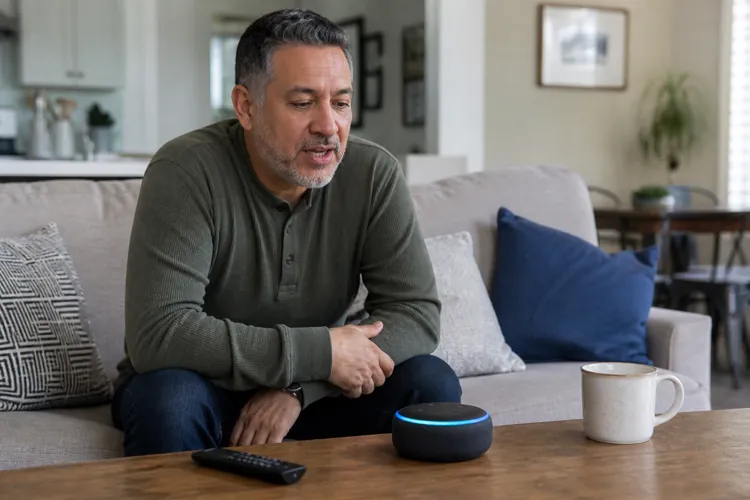

U.S. customers can ask Alexa for Shopping whether an email, text message, or phone call actually came from Amazon.
The AI-powered tool compares the communication with Amazon’s records and returns one of three answers: verified, not from Amazon, or unable to verify.
Consumers should still avoid clicking suspicious links and contact Amazon through its app or website when there is any doubt.
We’ve told you how AI is making scams more dangerous and effective. But here’s a case where AI might expose a scam.
Amazon is giving shoppers a new way to investigate suspicious messages before clicking a link, sharing personal information, or sending money, using its AI assistant.
The company has introduced an Alexa for Shopping feature that can verify whether an email, text, WhatsApp message, or phone call actually came from Amazon. The tool is launching in the United States, with plans to expand to other regions.
The feature addresses a common problem for shoppers. Scammers frequently impersonate Amazon in messages claiming there is a delivery problem, an unauthorized purchase, an expired Prime membership, or a refund waiting to be collected.
Those messages often pressure recipients to respond immediately, click a link, or call a telephone number controlled by the scammer. Amazon said about 360,000 customers contact its customer service department each year to ask whether a communication is genuine.
“Scammers thrive when customers can’t easily verify whether a message is real,” Scott Knapp, Amazon’s vice president of worldwide buyer risk prevention, said in the company’s announcement.
How the verification works
Customers can describe the communication to Alexa for Shopping, including who appeared to send it, when it arrived and what it said.
For example, a shopper could ask:
“Did Amazon send me a text about a delivery problem yesterday?”
“Is this email about my Prime membership real?”
“I received a call about an Amazon refund. Did that come from Amazon?”
The system uses artificial intelligence to compare those details against Amazon’s record of communications sent through its own systems. It also examines the sender information, content, timing, and formatting.
Alexa then provides one of three responses. It may confirm that the communication came from Amazon, report that it does not match an official communication, or say that it does not have enough information to verify it.
Amazon said the tool will confirm that a message is genuine only when it is completely certain. When it cannot reach a conclusion, it may ask the customer to supply more details or use another verification method.
Messages submitted through the feature are also reported to Amazon’s customer protection and enforcement team. The company said those reports can help it identify new scam tactics and take action against the people behind them.
Don’t rely on appearance alone
The feature could be helpful because fraudulent communications have become increasingly convincing. Criminals can copy Amazon’s colors, logos, and formatting while disguising email addresses and phone numbers.
Consumers should nevertheless continue to treat unexpected messages cautiously. A message that creates a false sense of urgency, requests payment with gift cards, or asks for a password or one-time security code should be considered a major warning sign.
Amazon says it will not ask customers to provide their password, one-time passcode, or sensitive personal information over the phone. It also will not demand payment by telephone or email.
When a message cannot be verified, consumers should avoid replying or using any link or telephone number contained in it. Instead, they should open the Amazon app or type Amazon.com into a browser and check their orders and account directly.
People who do not use Alexa for Shopping can forward a questionable communication to verify@amazon.com. That service is available worldwide and does not require an Amazon account. Amazon also offers a verification form through its customer service website.