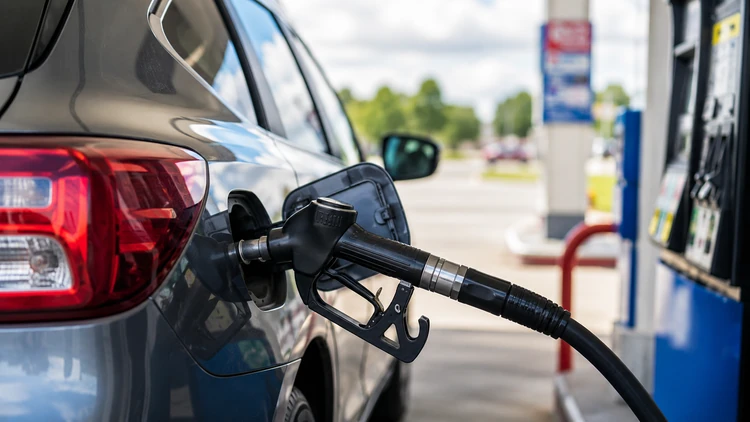

U.S. gasoline prices are falling as crude oil prices retreat, giving motorists welcome relief ahead of the summer driving season.
GasBuddy says the decline is being fueled by easing geopolitical tensions and lower oil prices, but warns the trend could reverse quickly.
Analysts expect continued volatility, with summer demand, hurricane season, and global events likely to influence pump prices in the weeks ahead.
Motorists are seeing some long-awaited relief at the pump, with gasoline prices dropping in much of the country as oil prices retreat from recent highs. But according to GasBuddy, the respite may prove temporary.
GasBuddy's latest analysis shows average gasoline prices declined in 40 states during the past week as lower crude oil prices offset earlier price spikes in many markets. The drop followed renewed optimism over a potential U.S.-Iran agreement, which helped ease pressure on global energy markets and pushed oil prices lower.
"Much of the decline came after renewed optimism surrounding a potential U.S.-Iran agreement pushed oil prices lower, easing geopolitical pressure on energy markets," Patrick De Haan, GasBuddy's head of petroleum analysis, said in the report.
But that optimism has proved to be unfounded. Over the weekend, Iran stopped responding to U.S. messages.
The national average gasoline price has posted one of its sharpest weekly declines of the year, with prices falling for several consecutive days. Recent reports show the national average down from recent peaks as crude oil prices softened amid hopes that tensions in the Middle East may ease.
Relief may be short-lived
Despite the recent decline, GasBuddy cautions that fuel markets remain highly sensitive to geopolitical developments.
Oil traders continue to monitor developments involving Iran and the Strait of Hormuz, a critical shipping route for global oil supplies. Any setback in diplomatic efforts could quickly send crude oil prices higher again, reversing recent declines at the pump.
At the same time, the summer driving season is getting underway, traditionally a period of stronger gasoline demand. Rising travel activity, combined with seasonal refinery maintenance and the start of hurricane season, could place upward pressure on prices.
According to federal data cited by AAA, gasoline demand recently jumped from 8.76 million barrels per day to 9.25 million barrels per day, while fuel inventories declined.
Longer-term outlook remains favorable
While short-term volatility is likely, GasBuddy's broader outlook remains relatively optimistic.
Earlier this year, the company forecast that the average U.S. gasoline price for 2026 would fall below $3 per gallon, marking the fourth consecutive annual decline and the lowest yearly average since 2020. GasBuddy projects a national average of $2.97 per gallon for the year, helped by expanding global refining capacity, more stable supply chains, and easing post-pandemic market distortions.
GasBuddy expects prices to follow a more traditional seasonal pattern, with higher prices during spring and early summer followed by declines later in the year. The company forecasts average prices could fall to around $2.83 per gallon by December if major supply disruptions are avoided.
But it could take months for fuel supplies to return to pre-war levels, keeping gas prices higher for longer.