• Uber cuts EV incentives as costs rise
• Drivers face uncertainty amid shrinking bonuses
• Company shifts focus to autonomous electric fleets
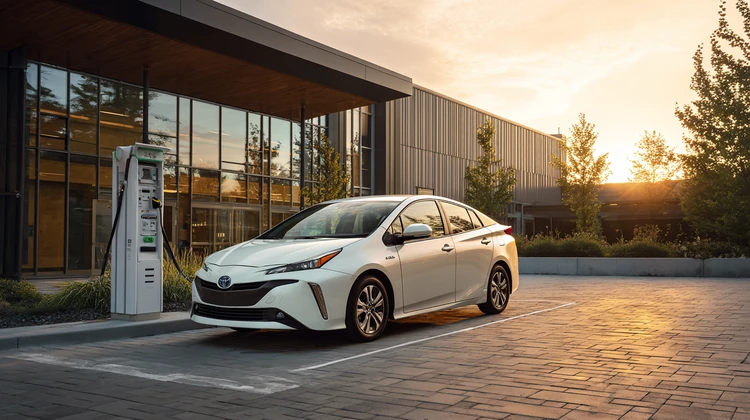
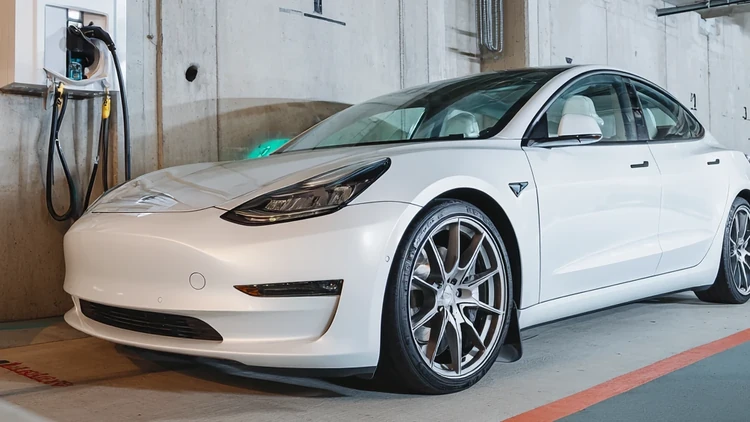
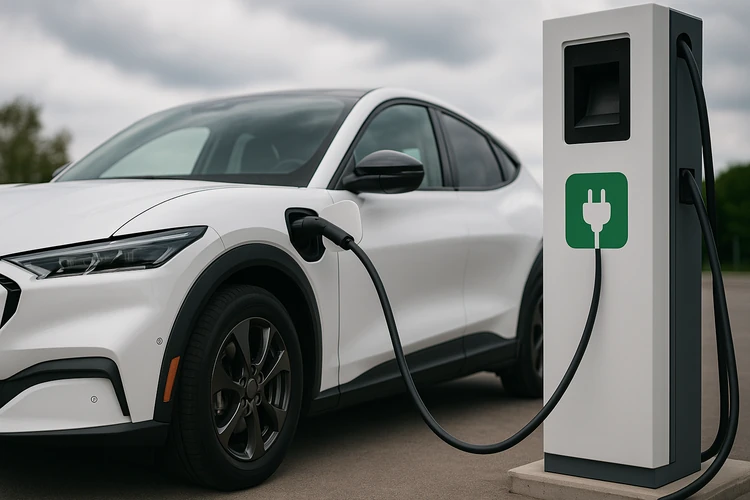
Uber is scaling back its once-high-profile effort to convert its driver fleet to electric vehicles, slashing bonuses and ending several programs that previously rewarded drivers for switching from gas cars to EVs. The move marks a significant recalibration of the company’s clean-transportation strategy at a moment when EV adoption nationwide has slowed.
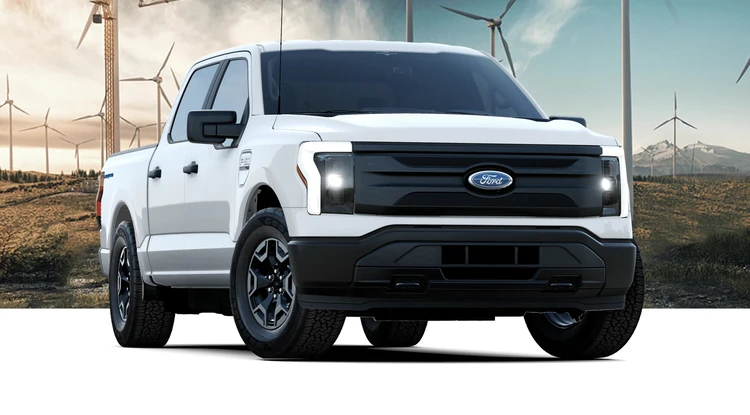
For years, Uber offered thousands of dollars in bonuses to drivers who purchased or leased electric vehicles. But those incentives proved costly, and internal spending fell short of the company’s own targets. Uber is now discontinuing many of these payments, leaving drivers who had counted on them facing new financial uncertainty.
Market headwinds contribute to slowdown
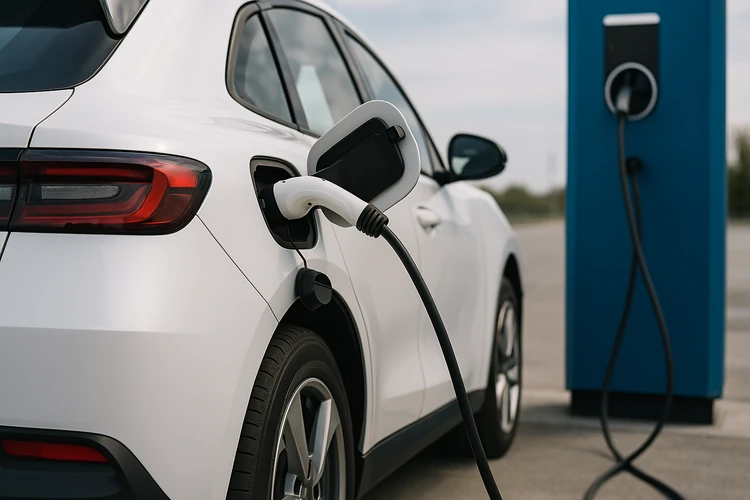
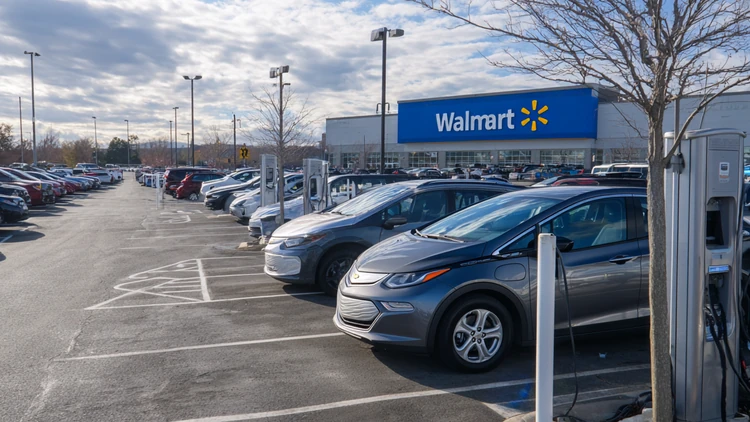
The shift comes against a backdrop of nationwide EV headwinds: cooling demand, higher interest rates, and slower charging-infrastructure buildout. With the market softening, Uber is reevaluating how aggressively it can push EV adoption among independent drivers already struggling with high vehicle costs.
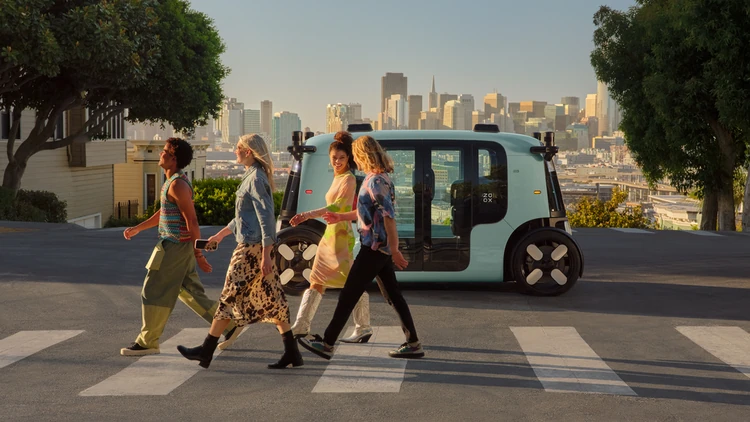
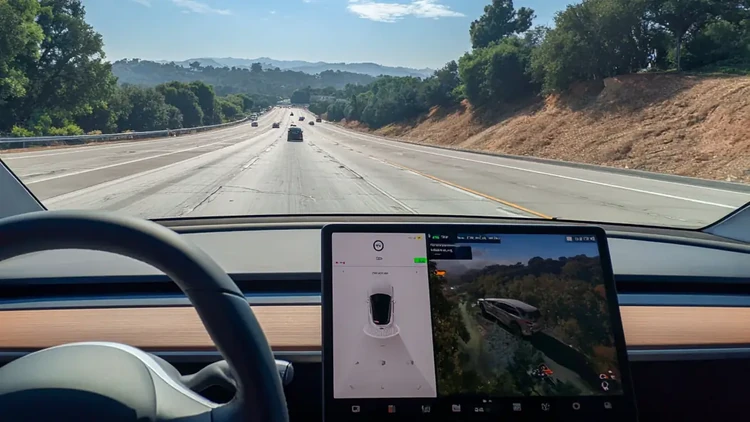
Rather than funding individual EV purchases, Uber is steering more of its electrification investment toward partnerships with autonomous-vehicle companies. The company has signaled it will rely increasingly on electric robotaxis developed with partners such as Nuro and Lucid, betting that dedicated fleets will deliver emissions reductions faster and more predictably than incentives for its distributed driver base.
Climate pledges now face tougher path
Uber has committed to becoming a zero-emission platform in the U.S., Canada, and Europe by 2030. Cutting EV incentives raises questions about whether it can meet those goals, especially if driver adoption slows. The company maintains that autonomous electric fleets will help keep it on track, but critics say the transition may now require more aggressive regulatory or industry pressure.