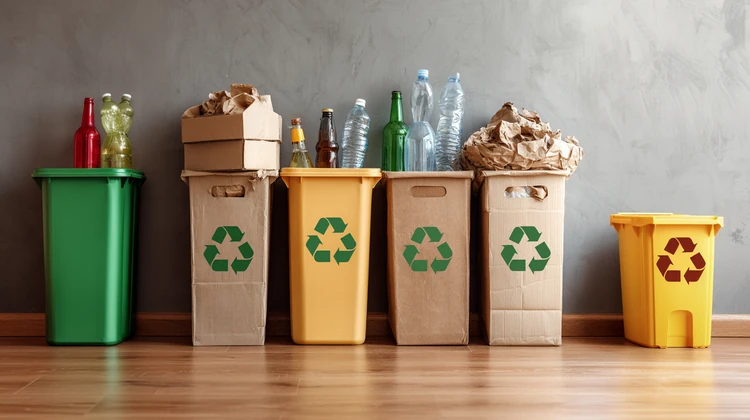

Some items recycle easily: Milk jugs, plastic clamshell containers (depending on where you live), clean aluminum foil, and plastic water bottles with the caps on.
Common recycling mistakes: Plastic grocery bags, disposable coffee cups, and household batteries should not go in curbside bins.
Simple rule: Empty containers, rinse them, and when in doubt, leave the item out so it doesn’t contaminate the recycling batch.
Part of being a responsible consumer is being a responsible recycler.
However, sometimes recycling can be a very confusing sport. Water bottles and aluminum cans? Sure, that’s easy. But what about items like milk jugs, pizza boxes, plastic bags, small batteries, and plastic clamshell containers?
Confusion often causes consumers to toss questionable items into the recycling bin, hoping they’ll be processed. Unfortunately, this can contaminate recycling loads and cause entire batches to be thrown away.
Here’s a quick guide to some of the most commonly misunderstood household items.
Plastic milk jugs: yes, these are recyclable
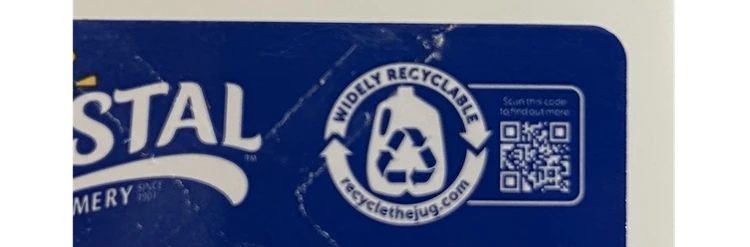
Those classic plastic milk containers, both the jugs and the cartons, are one of the easiest things to recycle.
Most milk jugs are made from HDPE plastic (#2), which recycling facilities actively want because it’s easy to process and can be turned into new products like detergent bottles, pipes, and plastic lumber.
What to do:
- Empty and rinse the jug
- Leave the label on
- Put the cap back on (most programs accept caps now)
Pro tip: Flattening the jug can save some space in your bin, but it’s not required.
Plastic clamshell containers: usually recyclable
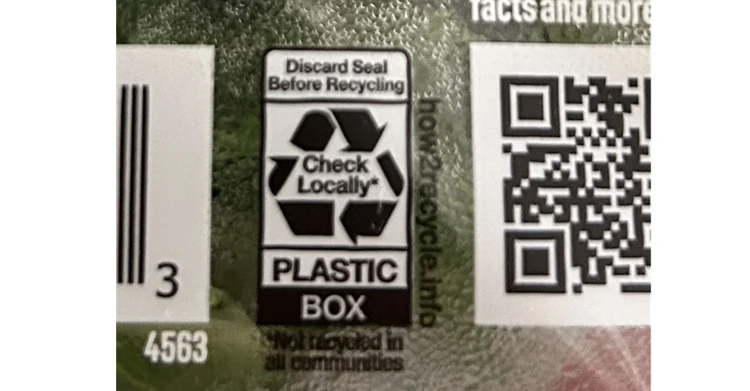
The clear plastic containers used for berries, salads, and baked goods are often recyclable, but it depends on the plastic type.
Many are made from PET plastic (#1), the same material used in water bottles.
Here’s how to check:
- Look for the recycling triangle with a #1.
- Rinse out any food residue before placing it in the bin.
But if the package has the recycling triangle label and says “Check Locally,” you’ll have to verify with your town’s recycling program if they’re accepted.
If the container is heavily coated with food or dressing, it’s usually better to throw it away or give it a good wash first.
Also, be sure to remove and discard the clear plastic seal from the container before you toss it in the recycle bin.
Greasy pizza boxes: sometimes recyclable
The greasy pizza box recycling question has been debated for some time now. And it’s no small amount of cardboard either. We love our pizza, and it accounts for 600,000 tons of cardboard annually in the United States.
A pizza box covered in oil used to be an automatic “no” for recycling. But many recycling programs will now accept them.
The key thing to consider is grease contamination and how bad the cardboard is coated.
Here’s a good rule of thumb:
- If the cardboard is mostly clean, go ahead and recycle it.
- Tear off any greasy sections and throw those away. Recycle the rest.
Many facilities now process lightly soiled or greasy cardboard without any issues.
Plastic grocery bags: these are a ‘no’ (in curbside bins)
Thin plastic grocery bags are one of the biggest recycling mistakes. They are meant for multiple uses, but sometimes they become pretty gross, and you just want to get rid of them.
You’re not supposed to put them in your curbside recyclers, as they can easily tangle in recycling machinery and can actually shut down sorting equipment.
Instead: Take them to designated drop-off bins at places like grocery stores or big-box retailers. These collection programs recycle bags along with other film plastics and recycle them properly.
Coffee cups: usually not recyclable
Disposable coffee cups look like paper, but most are lined with a thin layer of plastic to keep liquids from soaking through.
That lining makes them difficult for most recycling facilities to process.
So, unless the cup is specifically labeled as compostable or recyclable, it usually belongs in the trash.
Aluminum foil: yes — if it’s clean
Aluminum foil is definitely recyclable and highly valuable to recycling programs, but only if it’s free of food residue.
How to recycle it:
- Rinse off any grease or food.
- Ball smaller pieces together so they don’t slip through sorting equipment.
Clean foil can be melted down and reused indefinitely.
Plastic water bottle caps: yes — recycle them (but leave them on)
Plastic water bottle caps used to be a major recycling debate.
For years, many recycling programs told consumers to remove the lids because they were made from a different plastic.
That guidance has changed.
Most water bottle caps are made from polypropylene plastic (#5), while the bottle itself is usually PET plastic (#1). Modern recycling facilities can now separate these materials during processing.
The best way to recycle them today:
- Empty and rinse the bottle.
- Screw the cap back on tightly.
- Place the entire bottle in the recycling bin.
By keeping the cap on the bottle tightly, you actually help prevent them from falling off and slipping through sorting equipment.
When they fall off, they can easily slip through sorting screens at recycling facilities. When that happens, they often end up in a landfill or contaminate other materials.
Attaching the lid securely ensures it stays with the bottle all the way through the recycling process.
Household batteries: it depends
While many U.S. states allow alkaline batteries in the trash, recycling them is still the better option because the metals and materials can be recovered and reused.
Do NOT put them in your curbside recycler, as recycling facilities aren’t designed to separate batteries from other materials.
Many major retailers these days offer free battery recycling bins near the entrance or near the customer service desk.
You’ve probably seen these recycling bins at places like Home Depot, Lowe’s, Staples, Best Buy, or even at your local hardware store.
Just bring in your used AAA, AA, C, D, or 9-volt batteries (and even your small button batteries) and drop them in the bin the next time you go shopping.
Why recycling rules vary by city
One reason recycling feels confusing these days is that the rules can vary widely depending on where you live.
Cities and towns tend to differ in:
- Equipment used at recycling plants.
- Local demand for recycled materials.
- Regional contamination rules.
If you’re unsure about something, the best thing to do is to check your city’s recycling website or use a tool like Earth911 recycling search. It actually lets you enter an item and your ZIP code, and it tells you how it should be handled locally.