





2025 Tax Preparation and Filing

Article Image

How to avoid falling victim to increasing tax scams this year

Tax season is officially underway, and while refunds are one of the biggest things on consumers’ minds, scams should also be up there. This time of year is perfect for scammers to steal money, information, and data, all of which can leave consumers vulnerable. 

New research from McAfee found that nearly a quarter of Americans have either been involved in a tax scam or know someone who has. On top of that, more than half of all tax scam victims lose over $1,000. And as artificial intelligence (AI) gets stronger, so do scammers. 

Abhishek Karnik, Head of Threat Research at McAfee, shared with ConsumerAffairs about the biggest red flags to look out for, what to do if you fall victim to a scam, and everything consumers should know to stay safe this tax season – and beyond. 

What are the signs of a tax scam? 

According to Karnik, urgency is one of the biggest indicators that consumers are being targeted by scammers. 

“If a message demands quick action, use caution before interacting with it,” he said. “It’s best to avoid engaging with any unsolicited messages – do not click any links provided and go directly to the source for more information, whether that’s the IRS or your tax provider’s official website. 

“Consumers should ignore any unexpected messages demanding payment from the IRS. The IRS will typically contact you first by mail and will not reach out via phone call, text, email, or social media about your taxes. Any messages claiming otherwise are likely scams.”

Additionally, the rise of AI has made scammers harder to detect. This means consumers need to be more vigilant when interacting with unknown emails, texts, calls, websites, etc. 

“One of the most common methods scammers exploit is creating fake messages that mimic trusted sources, including the IRS and well-known tax service providers like TurboTax or H&R Block,” Karnik said. 

“Scammers use a range of tools to carry out their schemes, and AI is becoming an increasingly common part of their toolkit. They use it to craft convincing emails, texts, and even voice messages that sound or read just like the real deal. According to our latest report, nearly half (48%) of Americans have received fraudulent IRS communications, while 33% have received scam messages pretending to be from well-known tax preparation companies.”

What to do if you’re involved in a tax scam  

If you happen to find yourself involved in a tax scam, immediately report it to the IRS. 

“If someone’s Social Security Number or Tax Number has been stolen, they should immediately report the incident to IdentityTheft.gov,” Karnik advised. “Additionally, there are many valuable resources consumers can turn to for support, such as the IRS’ identity theft victim assistance program – or the Taxpayer Advocate service, which helps taxpayers protect their rights. 

“Consumers should take further steps to secure their information, such as changing passwords, using unique passwords for every account, enabling two-factor authentication, and monitoring financial accounts for suspicious activity. Victims can place a fraud alert on their credit reports and even consider a credit freeze, which restricts access to their credit and makes it difficult for identity thieves to open new accounts.” 

Is this a threat beyond tax season? 

The short answer to that question: yes. Karnik said that scammers’ efforts are heightened during tax season; however, in the weeks and months following tax season, many scammers try to take advantage of consumers looking for refunds or falsely accuse them of owing money to the IRS. 

“Consumers should remain vigilant and watch for unusual or unsolicited messages, even if they appear to come from a trusted source,” he said. “Be especially cautious after tax filing season, as scammers may send fake refund notices or PDFs as part of phishing schemes. 

“Criminals often reuse personal data gathered during tax scams for future schemes, such as phishing attacks or financial fraud. Staying cautious year-round is essential to avoid falling victim to evolving tactics, including fake IRS messages, refund scams, and impersonations of trusted tax services.”

Article Image

Watch out for these three tax scams

The IRS is ready to receive your 2024 federal tax returns and many taxpayers expecting refunds are busy getting their forms ready. Scammers hope they may be just a little too eager and will let down their guard.

Two of the big three tax scams involve impersonation. The scammers want the victim to believe the communication they receive is from the IRS.

An IRS impersonation scam gives the scammer a lot of leverage. The target may be more trusting if they think they are dealing with the tax agency. Or, they may be more fearful and vulnerable to threats.

These scams usually come in the form of phone calls that appear to come from an IRS number. Once on the line, the fake IRS agent may give a phony badge number to establish credibility before issuing threats.

The target may be told that their return is being held because an audit shows they owe back taxes. The rattled taxpayer may be so anxious to receive their refund that they will provide a prepaid debit card or wire transfer as requested, not questioning that both methods of payment are odd for the IRS, which normally accepts a check.

But the impersonation scam is not always threatening. The fake agent may say they are reviewing the target’s return and just need some additional information to speed up the process, getting the refund approved faster. That usually includes personal information, such as confirming a Social Security number.

Email phishing scams

Email phishing scams are another form of imposter scam. The message appears to be from the IRS but they include a link directing the target to a fake IRS website where they will be told to enter personal information.

The emails may also tell the target to call a number where a scammer, pretending to be an IRS agent, will attempt to extract the same information.

Finally, taxpayers should watch out for scams that will try to use tax season to steal a taxpayer’s identity. This is often done by setting up a phony tax preparation service.

If a scammer can steal a taxpayer’s identity, they can file a fake return using the victim’s information and claim a refund, before the victim has a chance to file. That’s another good reason to file your return early.

Article Image

Tax season officially kicks off January 27

It’s that time of year again: tax season. 

The Internal Revenue Service (IRS) announced that it will officially begin accepting 2024 tax returns on January 27, 2025. The deadline for filing taxes will be April 15, 2025. 

“This has been a historic period of improvement for the IRS, and people will see additional tools and features to help them with filing their taxes this tax season,” said IRS Commissioner Danny Werfel. 

“These taxpayer-focused improvements we’ve done so far are important, but they are just the beginning of what the IRS needs to do. More can be done with continued investment in the nation’s tax system.”

Changes to the filing system for this year

The IRS continues to update its filing system to make the process smoother and easier for consumers each year. Here are some updates taxpayers can expect this year: 

  • Updated notices: This year, the IRS has plans to update and deploy 84 notices that go out to taxpayers. In addition to the redesign, the agency is planning to upload these notices to taxpayers’ online accounts to have access to both paper and digital versions of these forms. 

  • Virtual assistants: The IRS is continuing to update its help features for taxpayers, including the addition of virtual assistants. These assistants will be available both online and on the phone, so any way that consumers want to contact the IRS, they’ll be able to quickly move through the help system. The assistants will be available in both English and Spanish, and the IRS hopes that this will help cut down on hold wait times on the phone, and make it easier and faster for taxpayers to get their questions answered. 

  • IRS online accounts: The updated online accounts will allow taxpayers to do just about anything online – view, make, and cancel payments; view your latest tax return; receive and view IRS notices; sign tax forms; get account transcripts; and more. This year will also feature a banner that will highlight some of the most common scams throughout tax season. This tool will educate consumers on tax-related scams to help them avoid falling victim to such scams. 

  • Mobile-adaptive tax forms: This update will make it easier for consumers to access tax forms on their mobile devices. Over 65 forms will be adaptive for mobile devices this year. 

  • Direct File opens in 25 states: The IRS started rolling out the Direct File feature in 2024, with a limited number of states offering the option to taxpayers. Now, for 2025, there will be 25 states accepting Direct File starting on January 27, including: Alaska, Arizona, California, Connecticut, Florida, Idaho, Illinois, Kansas, Maine, Maryland, Massachusetts, Nevada, New Hampshire, New Jersey, New Mexico, New York, North Carolina, Oregon, Pennsylvania, South Dakota, Tennessee, Texas, Washington State, Wisconsin, and Wyoming. The IRS is also expanding the scope of Direct File, allowing taxpayers who claim the following tax credits to utilize the feature: Child and Dependent Care Credit, Premium Tax Credit, Credit for the Elderly and Disabled, and Retirement Savings Contributions Credit. 

  • Free File opens early: While the IRS won’t start officially accepting returns until January 27, taxpayers can log into their accounts and begin preparing their returns in IRS Free File. The system will allow users to get their returns ready ahead of time and be prepared to submit them on January 27. Free File is available in English and Spanish.  

Article Image

How to get ready for the 2025 tax-filing season

With the turn of the calendar, taxpayers should be preparing to file their 2024 tax returns. The Internal Revenue Service (IRS) has come up with a few ways to streamline the process.

For starters, the IRS suggests individuals create an IRS Online Account. This platform provides users with access to crucial details from their recent tax returns, the ability to request an Identity Protection Personal Identification Number (IP PIN), and options to manage various aspects of their tax affairs, including payments and account preferences. 

The IP PIN is a vital security measure designed to prevent unauthorized individuals from filing a tax return using someone else's Social Security number.

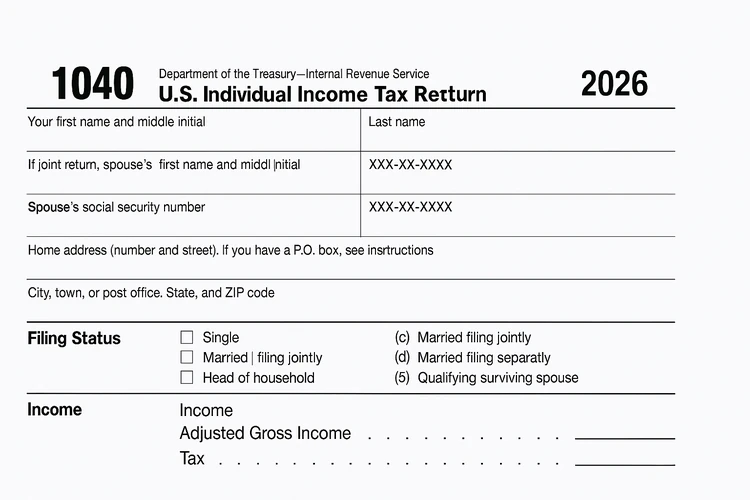
In preparation for the 2025 filing season, the IRS has updated its procedures to accept Forms 1040, 1040-NR, and 1040-SS, even if a dependent has been claimed on a previously filed return, as long as the primary taxpayer includes a valid IP PIN. This change aims to expedite the processing of returns and the issuance of refunds for those with duplicate dependent claims.

The IRS also reminds taxpayers with non-wage income, such as earnings from digital assets or self-employment, to make their final quarterly estimated tax payments by January 15, 2025. The Tax Withholding Estimator is available to help determine if additional payments are necessary to avoid unexpected tax bills.

Significant changes are in place for Form 1099-K reporting. Taxpayers who received over $5,000 in payments for goods and services through online platforms in 2024 will receive a Form 1099-K in January 2025. While the IRS is gradually implementing this reporting threshold, it is crucial for taxpayers to report all income, regardless of whether they receive a Form 1099-K.

Digital assets

Digital assets remain a focal point for the IRS, with taxpayers required to report all digital asset-related income on their 2024 tax returns. This includes transactions involving cryptocurrencies, stablecoins, and non-fungible tokens (NFTs). Accurate record-keeping is essential for correctly reporting these transactions.

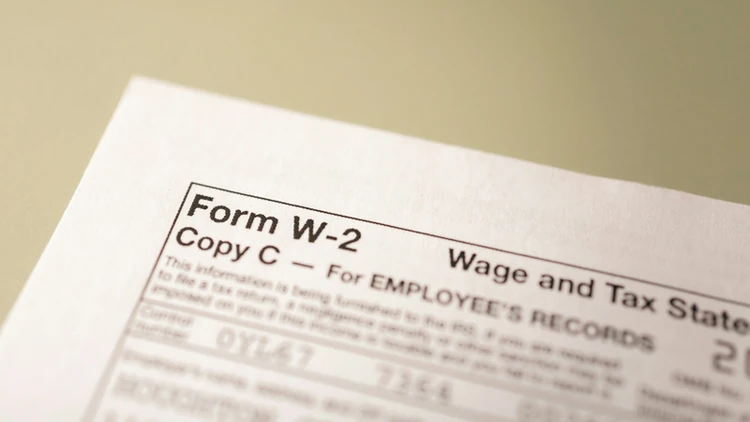
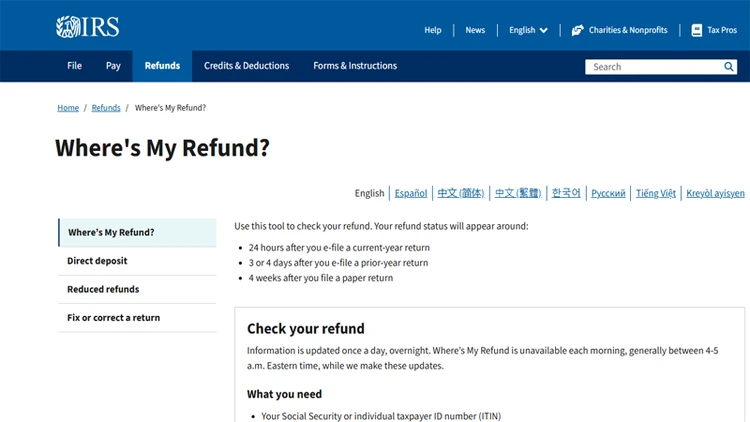
To ensure a smooth tax filing process, the IRS advises taxpayers to gather and organize all necessary documents, such as W-2s, 1099s, and records of digital asset transactions. Filing electronically and opting for direct deposit is recommended for faster refunds. Additionally, free filing options are available through IRS Free File and the Volunteer Income Tax Assistance (VITA) and Tax Counseling for the Elderly (TCE) programs.

By taking these preparatory steps, the IRS taxpayers can reduce stress and ensure a more efficient filing experience in 2025.