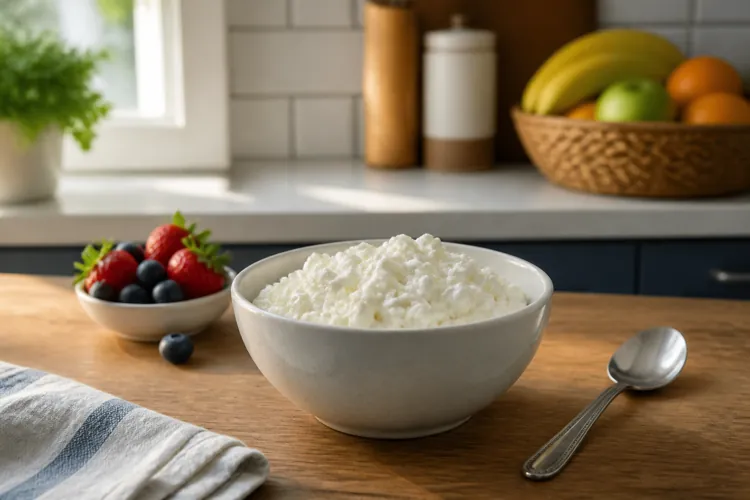

Cottage cheese shortages are showing up in grocery stores across the U.S., as demand has surged far faster than manufacturers expected.
Viral TikTok recipes and the growing popularity of high-protein diets have transformed cottage cheese from a niche product into a mainstream staple.
Dairy processors are expanding production, but new facilities and equipment can take months or years to bring online, leaving supply struggling to catch up.
Consumers searching for cottage cheese at the supermarket may have noticed a growing problem in the dairy aisle: empty shelves and frequent out-of-stock signs.
The shortage isn't being driven by a milk supply crisis or transportation breakdown. Instead, industry experts say the culprit is a dramatic surge in demand fueled by social media trends, health-conscious consumers, and a growing appetite for affordable protein.
After years of declining popularity, cottage cheese has staged an unlikely comeback. Viral TikTok videos featuring cottage cheese ice cream, dips, cheesecakes, smoothies, and other high-protein recipes have attracted hundreds of millions of views, introducing the product to a younger generation of consumers. As a result, sales have climbed sharply over the past several years, with retail sales rising about 20% in the year ending June 2025 after consecutive years of double-digit growth.
The product's nutritional profile has also boosted its appeal. Cottage cheese is high in protein, relatively low in calories, and often less expensive than other protein-rich foods. Industry observers say it aligns with several consumer trends at once, including fitness-focused diets, weight-management programs, and demand for minimally-processed foods.
Not that easy to increase production
For manufacturers, however, the rapid rise in demand has created a challenge. Producing cottage cheese requires specialized equipment and processing capacity that cannot be expanded overnight. Major brands, including Organic Valley and Good Culture, have acknowledged that demand has exceeded their production capabilities, leading to periodic shortages in stores.
Industry executives say many plants are already operating at or near full capacity. While companies are investing in additional production lines and new facilities, those projects require significant capital and can take years to complete. Some producers are also seeking contract manufacturing partners to increase output in the short term.
The phenomenon isn't limited to the United States. Similar shortages have been reported in other countries, including Australia, where retailers and dairy processors have struggled to keep pace with demand generated by social media-driven recipes and protein-focused eating habits.
Industry analysts believe the cottage cheese boom may prove more durable than previous food fads because it is tied to broader consumer interest in protein-rich foods rather than a single viral recipe. If demand remains elevated, manufacturers expect supply constraints to ease gradually as new production capacity comes online.