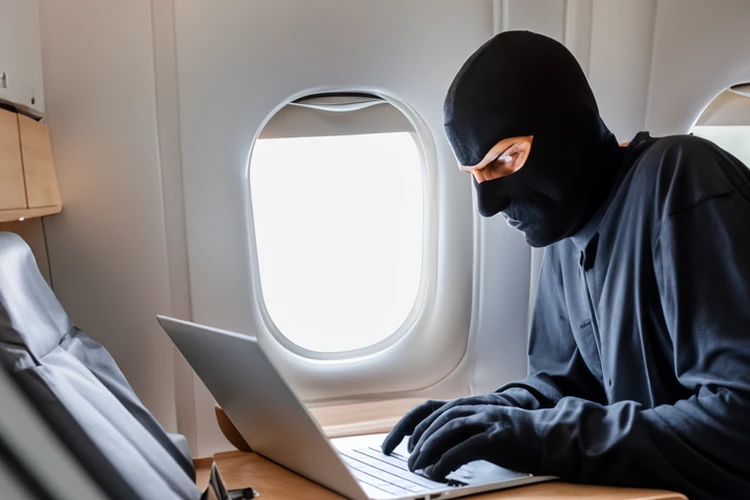

Things are bad enough as they are with identity theft and people having their personally identifiable information (PII) stolen. But, due to the appeal of airline statuses and points, the airline industry has become a prime target for threat actors on the dark web.
Nick Oram, security operations manager at global cybersecurity software and services provider Fortra, told ConsumerAffairs that while there's not a definitive way to measure how much total account data is for sale for the airline industry, stolen airline data gives cyber thieves another reason to lick their chops.
“PII associated with these accounts can include items such as username, password, address contact/info, credit card details, passport details, reward points, etc. As such, there are hundreds of areas where account data can be sold, and content is updated daily as the threat actors continue to supply new data.”
Depending on how good a cyber thief is at their craft, stolen PII could be used to book flights, receive travel rewards or commit other forms of travel-related fraud such as manipulating loyalty programs or gaining unauthorized access to an airline’s reservation systems.
Keeping yourself safe
Oram urges airline customers to take steps to make sure they keep their PII safe when they use it in the context of travel.
On top of using complex and unique passwords and refraining from downloading pirated software from websites or mobile apps that are not verified as “official” as a general rule of thumb, when you book your travel plans, only do it through authorized websites and don’t be fooled by fake websites offering “too good to be true” deals.
“It is easy for a threat actor to set up a fake domain, with a deliberately misspelled name, to make it look like a legitimate site, so check the URL carefully,” he told ConsumerAffairs.
“Report any unusual login activity on your account to the airline for investigation. Threat actors can exploit various aspects including stealing your payment data, grabbing your passport details, resetting your username and password to their own credentials, and possibly even tampering with the rewards points you have on the account.”