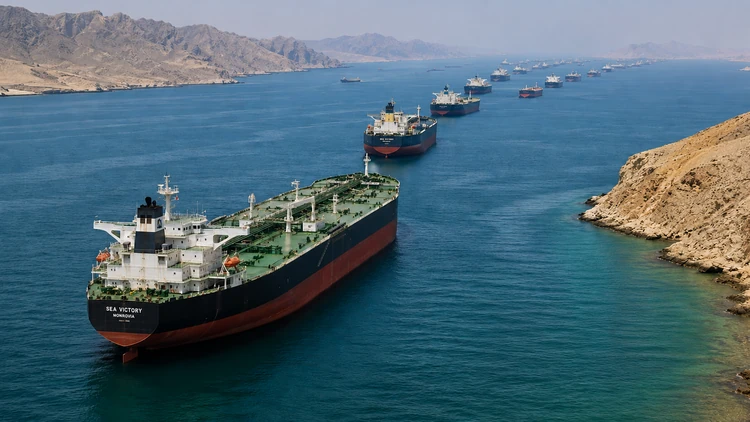

Chevron CEO Mike Wirth warned that global oil shortages are beginning to emerge as the Iran war disrupts shipping through the Strait of Hormuz.
Energy executives and analysts say prolonged supply disruptions could trigger higher gasoline prices, inflation, and slower economic growth worldwide.
Consumers may soon feel the impact through rising fuel costs, more expensive airline tickets, and higher prices for everyday goods transported by truck, ship, and air.
One of the immediate effects of the Iran war was a sharp rise in gasoline prices. But one industry executive is warning that things could get worse.
Chevron CEO Mike Wirth is warning that the global economy could be headed toward a new energy shock as the war involving Iran continues to disrupt oil shipments through the strategically critical Strait of Hormuz.
Speaking at the Milken Institute Global Conference, Wirth said the world is starting to experience “physical shortages” of oil as supplies tighten and strategic reserves are increasingly tapped to stabilize markets.
The Strait of Hormuz, located between Iran and Oman, handles roughly 20% of the world’s crude oil shipments. Continued disruptions in the region have raised fears of a prolonged supply crunch similar to the oil crises of the 1970s. Wirth said the economic impact could ultimately rival those historic energy shocks.
“We will start to see physical shortages,” Wirth said, according to multiple reports, adding that economies “are going to have to slow” as demand adjusts to constrained supply.
Most likely to affect Asia
Industry analysts say Asia is likely to feel the effects first because many countries there rely heavily on Persian Gulf oil. Europe could follow if disruptions continue, particularly in jet fuel and diesel markets.
Shortages are less likely in the U.S. But even though the United States is a net exporter of crude oil, American consumers are still expected to face higher prices because oil is traded globally.
According to AAA, the national average price of regular gas is $4.51 a gallon. It was $2.98 on February 28, the day before the war started.
Supplies are falling fast
The International Energy Agency has warned that global oil inventories are falling at one of the fastest rates on record. Some analysts estimate that worldwide stockpiles have dropped by hundreds of millions of barrels since the conflict escalated.
For weeks, consumers have seen the impact at the pump. National average gasoline prices have climbed sharply over the past several weeks, while jet fuel prices have surged even faster, putting pressure on airlines and shipping companies.
Economists warn that rising energy costs often spread quickly through the broader economy because fuel affects transportation, manufacturing, and food distribution. That could mean higher grocery prices, increased delivery costs and more expensive travel in the months ahead.