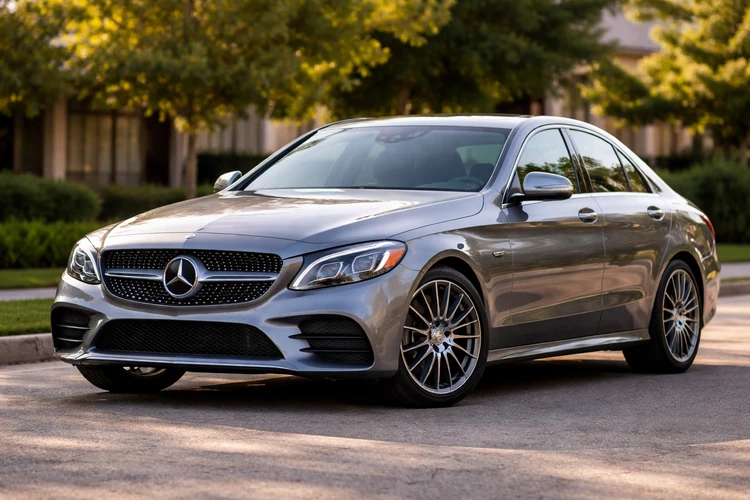
Mercedes-Benz will pay a $150 million settlement for concealing emission-cheating devices on its cars and trucks. Consumers who owned one of the affected models will get $2,000 each.
In the settlement with 48 states and two U.S. territories, prosecutors said that Mercedes manufactured, marketed, advertised and distributed nationwide more than 211,000 diesel passenger cars and vans equipped with software defeat devices that optimized emission controls during emissions tests, while reducing those controls outside of normal operations.
The states allege the defeat devices enabled vehicles to far exceed many legal limits of nitrogen oxides (NOx) emissions, a harmful pollutant that causes respiratory illness and contributes to the formation of smog. Mercedes allegedly engaged in this conduct to achieve design and performance goals, such as increased fuel efficiency and reduced maintenance, that it was unable to meet while complying with applicable emission standards.
Mercedes concealed the existence of these defeat devices from state and federal regulators and the public. At the same time, Mercedes marketed the vehicles to consumers as “environmentally-friendly” and in compliance with applicable emissions regulations.
Time to pay up
The settlement requires Mercedes-Benz to pay $120 million to the states immediately upon the effective date of the settlement. An additional $29,673,750 will be suspended and potentially waived pending completion of a comprehensive consumer relief program.
The consumer relief program extends to the estimated 39,565 vehicles, which as of Aug. 1, 2023, had not been repaired or permanently removed from the road in the United States. Mercedes must bear the cost of installing approved emission modification software on each of the affected vehicles. The company must provide consumers with an extended warranty and will pay consumers $2,000 per subject vehicle.
The company must also comply with reporting requirements and reforms to its practices, including a prohibition on any further engagement in unfair or deceptive marketing or sale of diesel vehicles, misrepresentations regarding emissions and compliance.
Today’s settlement follows similar settlements reached previously between the states and Volkswagen, Fiat Chrysler and German engineering company Robert Bosch GmbH over its development of the cheat software. Automaker Fiat Chrysler and its subsidiaries paid $72.5 million to the states in 2019. Bosch paid $98.7 million in 2019. Volkswagen reached a $570 million settlement with the states in 2016.
Read the complaint here and the judgement here.