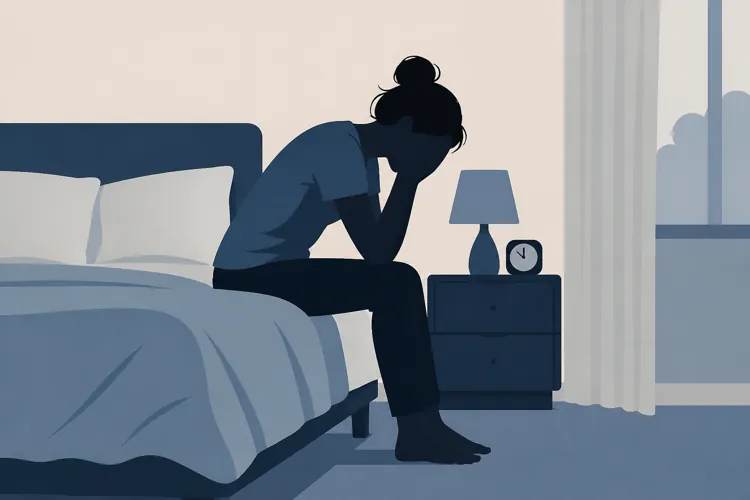

Postpartum psychosis is a rare but potentially life-threatening condition affecting an estimated one or two mothers for every 1,000 births.
Symptoms can develop rapidly and include hallucinations, delusions, severe confusion, paranoia, mania, and an inability to recognize that something is wrong.
Most patients do not become violent and recover with treatment, but documented cases involving suicide and the deaths of children show why the condition requires immediate medical care.
The murder trial of Massachusetts mother Lindsay Clancy has focused new attention on postpartum psychosis, a rare psychiatric emergency that can cause a woman to lose contact with reality after giving birth.
Clancy does not deny killing her three children in January 2023. Her defense argues that she was experiencing postpartum psychosis and a “command hallucination” that left her unable to control her actions. Prosecutors contend that she was depressed but not psychotic and that her actions showed planning and an understanding of right and wrong.
The jury must decide whether Clancy was legally responsible for the deaths. But beyond the courtroom, the case raises broader questions about an illness that can emerge quickly, may be difficult for families to recognize and, in its most severe form, can endanger both mother and child.
How common is postpartum psychosis?
Postpartum psychosis is much less common than postpartum depression. Estimates generally place its occurrence at between one and two cases per 1,000 births, although the precise rate varies among studies.
By comparison, many new mothers experience the short-lived mood changes commonly called the “baby blues,” while postpartum depression is estimated to affect roughly one in eight mothers.
Postpartum psychosis is different. It represents a break with reality and is considered a medical emergency.
Symptoms most often begin suddenly during the first two weeks after childbirth, sometimes within hours or days. They can include:
Hearing or seeing things that are not present
Strong but false beliefs or suspicions
Confusion and disorganized thinking
Paranoia
Extreme agitation or unusually elevated energy
Rapid speech or racing thoughts
Severe insomnia
Abrupt shifts between mania and depression
A mother may believe that her baby is possessed, in danger, or receiving special messages. She may hear a voice giving her instructions. In some cases, the woman does not understand that she is ill, leaving family members to recognize the emergency and seek help.
The U.K.’s National Health Service says the condition can worsen rapidly and create risks for both mother and baby.
Who is most at risk?
Postpartum psychosis appears to be closely associated with bipolar disorder. Women with bipolar disorder, a previous psychotic episode after childbirth or a family history of postpartum psychosis face a significantly higher risk.
However, it can also occur in women with no known psychiatric history.
Researchers believe that rapid hormonal changes after delivery, sleep deprivation, genetic vulnerability, and underlying mood disorders may contribute. The condition is not simply caused by ordinary parenting stress, and it is not a sign that a woman is a bad mother.
Having postpartum depression also does not necessarily mean a woman will develop psychosis. Depression generally does not cause a loss of contact with reality, although severe depression can sometimes include psychotic symptoms.
How often does it lead to violence?
Most women with postpartum psychosis do not harm themselves or their children. That distinction is important because sensational cases can discourage women from reporting symptoms or seeking treatment.
Nevertheless, medical literature has documented cases of suicide, attempted suicide and infanticide associated with the condition. Frequently cited estimates suggest that approximately 4% of untreated or severe cases may involve the death of an infant and about 5% may end in suicide. However, health researchers say those numbers should be treated cautiously because postpartum psychosis is rare and much of the available research comes from small studies and reviews of unusually severe cases.
A 2025 systematic review published in the Archives of Women’s Mental Health examined documented cases in which postpartum psychosis resulted in infanticide. Researchers identified missed opportunities involving screening, diagnosis, treatment, and communication among healthcare providers.
Perhaps the best-known American case is that of Andrea Yates, who drowned her five children in Texas in 2001. Yates had a documented history of severe postpartum depression, psychosis, hospitalizations, and suicide attempts. Her original murder conviction was overturned, and a second jury found her not guilty by reason of insanity in 2006. She was committed to a state psychiatric hospital.
The Clancy case has drawn comparisons with Yates, although the medical histories, circumstances, and applicable state laws are different. In Clancy’s trial, the existence and timing of psychosis remain disputed by opposing medical experts.
Treatment can be highly effective
Postpartum psychosis usually requires immediate psychiatric evaluation and hospitalization. Treatment may include antipsychotic medication, mood stabilizers such as lithium and, in some severe or life-threatening cases, electroconvulsive therapy.
The outlook with treatment is generally good. The most severe symptoms may last several weeks, while complete recovery can take six months to a year or longer. Women who have experienced one episode face a substantial risk of recurrence following a future pregnancy, making advance planning with obstetric and psychiatric specialists important.
Warning signs should never be dismissed as exhaustion or normal adjustment to motherhood. A new mother who is hallucinating, expressing bizarre beliefs, behaving in a severely confused manner, or going for extended periods without sleep needs an urgent medical assessment, doctors stress.