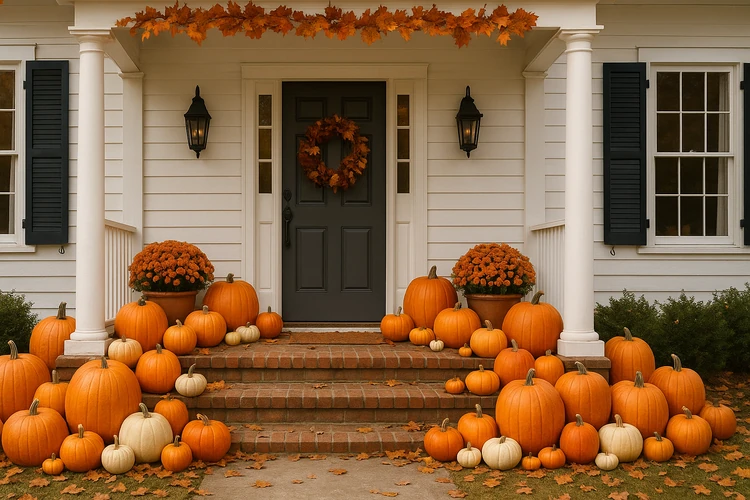

Fall décor can attract squirrels, chipmunks, and rodents — and once they start snacking, they may look for ways into your home.
Scratching or squeaking sounds, unfamiliar odors, and gnaw marks on food, fixtures, or wires can all indicate critter activity — and chewing on electrical wires can even cause fires.
Seal cracks or gaps around your home, rake up leaves, and remove outdoor food sources like bird feeders, trash, and pet food to keep animals from settling in for the season.
Pumpkins on the porch are a sure sign that fall has arrived — but they can also be an open invitation to unwanted guests.
Squirrels, chipmunks, and other curious critters see your festive displays as an easy meal, and once they start snacking, they may decide to explore even further.
According to Jason Burkhart, Managing Director at Critter Control, these small animals can cause big problems — from chewed-up decorations to serious fire hazards when they start gnawing on electrical wires.
ConsumerAffairs interviewed Burkhart to learn how you can keep your fall décor safe, redirect wildlife humanely, and know when it’s time to call in a professional.
“Be careful decorating your porch with pumpkins, gourds and other edible decorations,” he said. “While these are fun, festive ways to celebrate the season, they can sometimes serve as a free food sampler for squirrels, rodents, and more. Once they've gotten used to snacking on your decorations outside, they may be tempted to venture inside to see what else your home has to offer them.”
The biggest threats for the fall
As the weather gets cooler, it’s important for consumers to know what to be on the lookout for.
“Plenty of critters are looking to find a safe, warm place with a reliable food supply to ride out the winter months,” Burkhart said. “You could find mice, rats, squirrels, raccoons, and many more in your home during the autumn months, as they prepare for the winter ahead.
“Many people mistakenly assume these critters are mostly a problem for the spring and summer months, but these animals do not hibernate, so they remain an ongoing issue for homeowners year-round.”
Know the warning signs
Burkhart shared the top signs homeowners should look out for if they suspect a critter problem:
Unfamiliar sounds and unfamiliar smells: If you hear scratching, scurrying, and squealing coming from the ceiling or walls, it's entirely possible that you've got mice, rats, or squirrels living in your home. You will also likely start to smell their droppings the longer they live in your home.
Visual cues: Squirrels, mice, and rats do quite a bit of gnawing. If you see your food sources broken into and food gnawed at, you may be dealing with one of them. But the gnawing doesn't stop with food; they'll gnaw on almost anything they can find. If you see fixtures or wires with gnaw marks, you should have a professional inspect your home for critters sooner rather than later.
“Gnawing on wires can result in electrical fires, so it's best to have the situation dealt with as soon as possible,” Burkhart explained.
Protect your property
While pest control is an inevitable part of homeownership, Burkhart shares how consumers can make sure their property is protected for the fall months and beyond.
“The best thing you can do to proactively protect your house is to have a trained wildlife removal professional conduct a full inspection of your home to see if there are any cracks, gaps, or openings that squirrels, mice, rats, raccoons, and more could use to gain entry into your home,” he said.
“It may be a bit of a pain, but in the autumn months, one of the best things you can do to keep critters from approaching your home is to keep your leaves raked; don't let mass quantities of them linger for too long around your yard. Many rodents, snakes and other small critters thrive in messy, brushy environments. If your lawn is covered in leaves, that provides very comfortable circumstances for them to hang around your home and could lead to them approaching your house and looking for a way inside.”
Another note: keep your yard free of all potential food sources – bird feeders, trash, and pet food. They’ll attract raccoons and other nearby critters, and if they think your home is a reliable food source, it can be hard to deter them.