
Oil prices have surged as the Iran war threatens global energy supplies, with Brent crude climbing above $80 per barrel amid fears of disruptions in the Middle East.
Shipping through the Strait of Hormuz — a key route for about 20% of global oil — has been disrupted, intensifying concerns about shortages and higher fuel costs worldwide.
U.S. officials and market analysts warn the conflict could push energy prices even higher, raising inflation risks and increasing pressure on consumers and policymakers.
Escalating conflict in the Middle East is sending shockwaves through global energy markets, pushing oil prices higher and raising concerns about fuel costs for consumers and businesses worldwide.
Oil prices climbed this week as traders reacted to the risk that the war could disrupt supplies from the Middle East — one of the world’s most important energy-producing regions. Brent crude, the international oil benchmark, has risen sharply since the conflict intensified, with prices reaching more than $80 a barrel in recent trading.
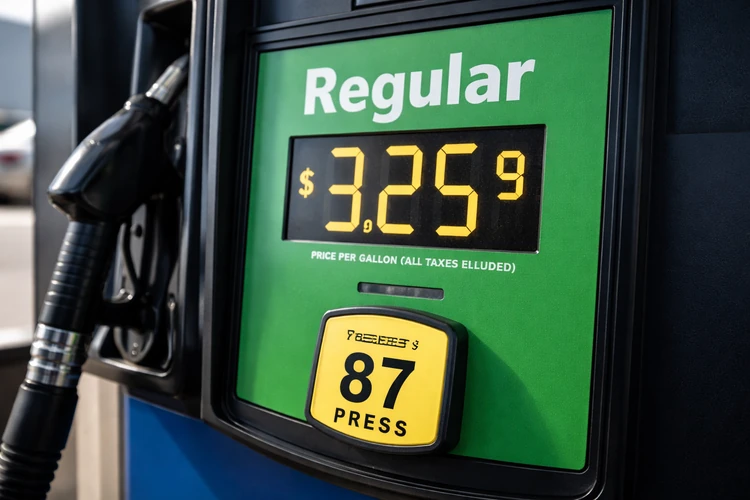
There has been an immediate impact at the gas pump. According to AAA, the national average price of regular gasoline has risen by 25 cents per gallon since the U.S. and Israel launched attacks on Iran last weekend. The average price today is $3.25 a gallon.
The Strait of Hormuz is key
Market volatility reflects fears that fighting could interrupt the flow of crude oil and liquefied natural gas through the Strait of Hormuz, a narrow shipping route between Iran and Oman that handles roughly one-fifth of the world’s oil shipments.
Energy markets reacted quickly after the conflict widened, as investors priced in the possibility that supply from the region could slow or be cut off entirely. Early trading saw crude prices surge as attacks in the region threatened tanker traffic and energy infrastructure.
The war has already disrupted shipping in the Persian Gulf and forced some tankers and shipping companies to avoid the Strait of Hormuz due to safety concerns. The resulting uncertainty has driven a significant risk premium in oil markets and could lead to prolonged price increases if fighting continues.
Analysts say the price surge reflects the strategic importance of the region to the global energy system. Iran itself exports roughly 1.6 million barrels of oil per day, and neighboring producers in the Gulf rely heavily on the same shipping routes.
Broader economic impact
Higher energy prices are already beginning to ripple through the global economy. Gasoline prices in the United States have climbed above $3 per gallon for the first time in months, and economists warn that a prolonged conflict could fuel inflation and raise transportation and manufacturing costs.
The surge in oil prices is also affecting financial markets. Stocks have fluctuated as investors weigh the possibility of a broader regional conflict that could tighten energy supplies and slow global economic growth.
The rising cost of energy is becoming a political issue in Washington as the conflict unfolds. Policymakers are weighing how the war may affect domestic fuel prices and economic stability.
Officials have signaled concern that prolonged disruptions in oil flows could push crude prices even higher, potentially toward $100 per barrel if the conflict escalates further.