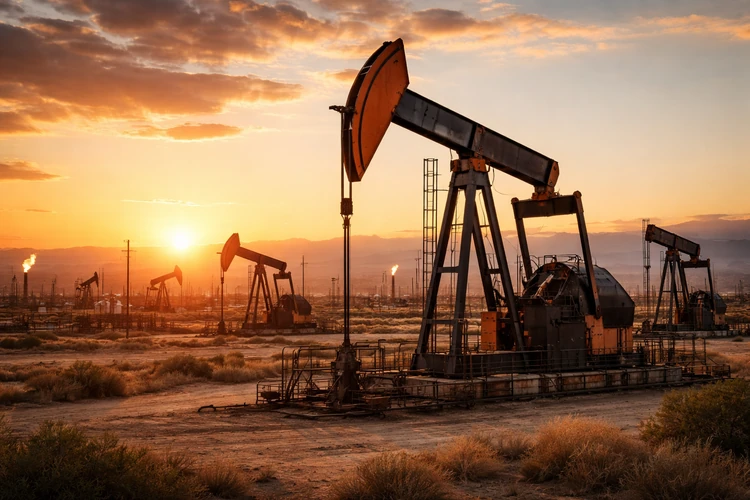

Refinery bottlenecks and seasonal fuel changes are tightening gasoline supply even as U.S. oil production remains near record highs.
Global oil market dynamics—including OPEC+ production policies and geopolitical tensions—continue to influence prices Americans pay at the pump.
Regional logistics and refinery outages are amplifying price spikes in certain parts of the country.
The war against Iran, now in its second week, has nearly stopped the flow of oil from the Middle East, sending oil prices and U.S. gas prices soaring.
However, the U.S. is now one of the world’s largest oil producers, and that oil continues to flow as normal. So, why have U.S. gas prices reacted the way they have? According to AAA, the national average price of regular is $3.48 a gallon, rising nearly 50 cents since the outbreak of hostilities.
According to industry analysts, the answer lies in the complicated chain between crude oil production and the gasoline that eventually reaches the pump. Yes, the U.S. has plenty of crude oil, but before it becomes gasoline, it must be processed in refineries that convert crude into fuels such as gasoline, diesel, and jet fuel.
Refineries must buy oil and oil is traded on an international market, meaning the price of crude produced in the United States is influenced by supply decisions from oil-exporting nations and geopolitical events around the world.
The Iran war has created an overnight oil shortage – not in the U.S. – but on the entire global market. Less oil around the world translates into higher prices, at least until supplies return to normal.
Unfortunate timing
The timing of the Iran war is another complicating factor. Each spring, refineries switch from winter gasoline blends to summer blends designed to reduce evaporation and smog. The transition can temporarily limit output, which often pushes prices higher just as driving demand begins to increase.
Regional supply issues can further complicate the picture. Certain areas, such as the West Coast, have fewer refineries and stricter fuel standards, making them especially vulnerable to price spikes when a facility shuts down unexpectedly.
Demand is also rebounding in many parts of the country as travel and commuting increase, which puts additional pressure on gasoline inventories. However, as gasoline prices continue to rise, demand may decrease.
Until normal oil shipments from the Persian Gulf resume, bringing down oil prices, analysts say drivers may continue to experience volatility at the pump—even in a country that produces vast amounts of oil.