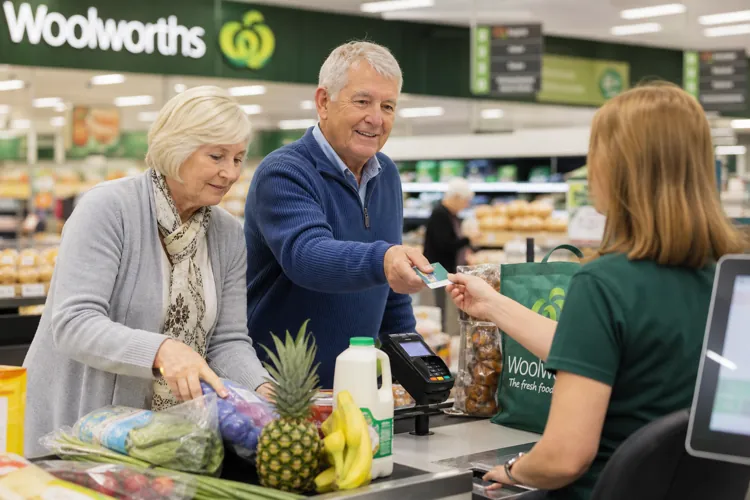

Grocery chains risk losing loyal older customers as they replace personal service with apps and automation.
Boomers are more likely to favor traditional supermarkets, familiar brands, and staffed checkout lanes.
Human assistance, accessible stores, and discounts available without a smartphone could ease the frustration.
For baby boomers, grocery shopping isn’t as much fun as it used to be, and it has little to do with rising food prices.
The weekly grocery run increasingly requires customers to scan their own purchases, troubleshoot checkout machines, and activate discounts on a phone. For many older Americans, that doesn’t feel like progress.
A recent analysis from The Takeout examined 10 supermarket trends that often irritate baby boomers. Taken together, the findings point to a larger problem for retailers: The technology intended to make stores faster and cheaper may be creating new obstacles for some of their most loyal customers.
Self-checkout is a prime example. While younger adults are generally more receptive to scanning and bagging their own groceries, shoppers 55 and older overwhelmingly favor staffed registers. One survey included in the analysis found that 75% of consumers in that age group prefer a cashier. Among adults ages 18 to 34, 46% would opt for self-checkout.
The machines can be difficult to navigate when produce must be weighed or an error stops the transaction. But technical problems are only part of the objection. Some customers see self-checkout as unpaid labor, while others value the conversation and assistance that cashiers provide.
Sale prices may require a smartphone
Supermarket promotions have also moved onto digital platforms. Instead of clipping a paper coupon, shoppers may now need to download an app, create an account, and activate an offer before reaching the register.
That process can leave people without smartphones paying a higher price. It may also disadvantage customers who own a device but are not comfortable installing apps or managing digital loyalty programs.
Because smartphone use is lower among older age groups, digital-only deals can have an outsized effect on seniors. Some have criticized the pricing model as unfair because two customers buying the same product may be charged differently based on their access to technology.
Service still shapes where boomers shop
Price and speed are not the only factors consumers consider when choosing a grocery store.
Research from The Feedback Group found that traditional supermarkets were the first choice of 32% of baby boomers. Walmart followed at 28%, while Aldi and dollar stores were preferred by 11% and 5%, respectively.
Gen Z consumers were more inclined to choose Walmart, Aldi, or dollar stores. The generational split indicates that younger shoppers may be more willing to trade traditional service for lower prices or quicker trips. Boomers, meanwhile, appear more attentive to employee helpfulness, store conditions, and merchandise quality.
Overall, boomers remain pleased with their regular supermarkets. They awarded them an average score of 4.43 out of five, with cleanliness and friendly employees receiving strong marks.
Those ratings help explain why staff reductions can be so noticeable to older customers. Fewer workers can mean longer waits, less help finding merchandise and no one available to bag groceries. Services that once defined a full-service supermarket — including assistance carrying bags to the car — have become less common.
Small inconveniences can become physical barriers
Retail practices that merely annoy some customers can create genuine accessibility problems for others.
Changing aisle layouts may encourage shoppers to see products they would otherwise miss, but it can force people with mobility limitations to spend more time walking through the store. A customer who cannot easily find a familiar item may simply decide not to buy it.
A defective shopping cart can pose a similar concern. Some older adults lean on carts for balance, so wheels that stick, wobble, or pull to one side can make the trip more difficult and less safe.
Boomers also tend to be less interested in experimenting with store brands or convenience foods. About 26% rarely or never consider changing brands, according to data cited by The Takeout. Only 29% of consumers 65 and older look for products that reduce cooking time, compared with 45% of people ages 15 to 24.
For supermarkets, the takeaway is not that technology must disappear. It is that customers need alternatives. A store can offer self-checkout while keeping cashiers available, provide app-based deals alongside automatic discounts, and refresh its inventory without constantly relocating staples.
Modernization may save money, but retailers could pay another price if it makes longtime customers feel that the store no longer works for them.