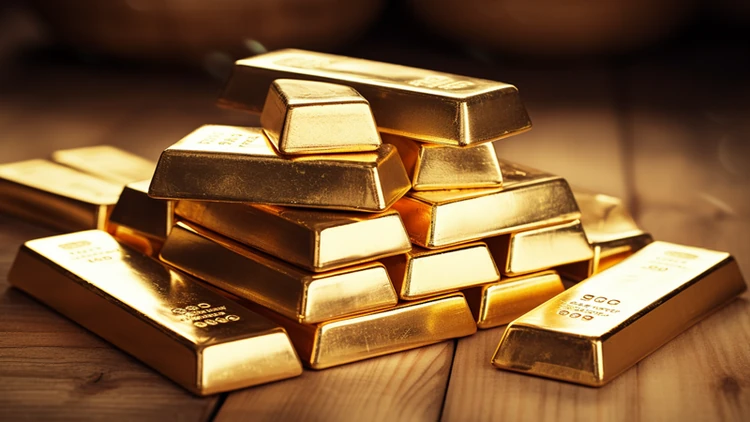

Gold suffered its largest one-day percentage drop in over a decade, sliding around 6 % on Tuesday after hitting a record high the day before.
Silver plunged even more dramatically, falling more than 8 % in the same session, as momentum from its recent rally abruptly reversed.
Key catalysts include profit-taking after the sharp run-up, strengthening of the U.S. dollar, easing safe-haven demand and signs of improved economic sentiment.
The precious-metals market lurched backward on Tuesday as previously surging prices for gold and silver came under sharp pressure, marking a dramatic reversal in what had been a banner year for bullion.
But the sell-off followed a series of massive gains, which had pushed gold and silver prices to unseen levels. Walls of selling flooded the market after gold vaulted to a new all-time high on Monday, only to suddenly retreat. Gold continued to fall on Wednesday, with the price down 1%.
On Tuesday, spot gold dropped to approximately U.S. $4,120 per troy ounce, from its near-US $4,400 peak just a day earlier, the most significant one-day percentage decline since 2013. Silver, meanwhile, tumbled to around US $48.40 per ounce, down more than 8 % from recent highs.
Several related factors appear to have triggered the sharp reversal:
Profit-taking and overbought positioning – After months of steady gains, bullion markets were flush with speculative momentum. As one analyst put it, gold had become “frothy” at elevated valuation levels.
A firmer U.S. dollar and rising yields – A stronger dollar tends to make dollar-priced metals more expensive for foreign buyers, reducing demand, while higher bond yields raise the opportunity cost of holding non-yielding assets like gold and silver.
Signs of easing safe-haven demand – The surge in gold earlier this year was fueled in part by geopolitical uncertainty, inflation fears and global debt concerns. With some of those fear factors appearing to moderate, investors rotated away from bullion.
Technical correction after record highs – Having reached unprecedented levels, the markets appeared ripe for a pull-back, and analysts flagged the drop as a likely healthy retracement rather than a structural reversal.
Market ripple effects
The move didn’t stay confined to gold itself. Shares of gold-mining companies, leveraged to gold prices, slid sharply — with some names down around 9 %. The broader commodities complex also felt pressure as the metal-price backdrop shifted.
Despite Tuesday’s dramatic drop, many analysts caution against reading the move as an end to the bullish thesis for precious metals. The long-term drivers – such as inflation risk, fiscal stress and monetary-policy uncertainty – remain intact.
That said, the correction underscores that timing and context matter: entering at the top of a momentum wave carries risk.