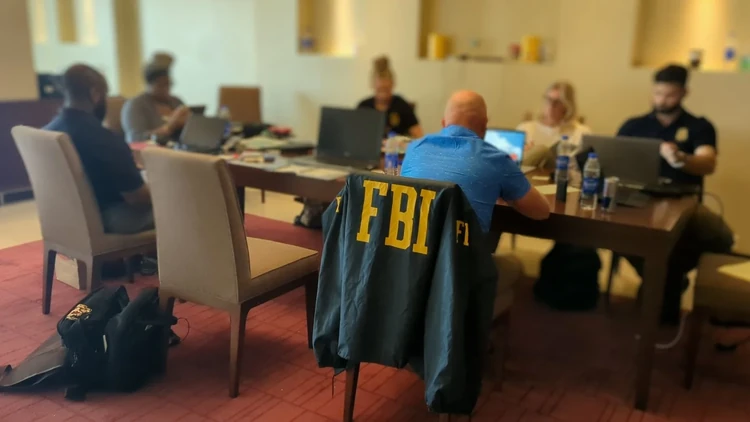



FBI urges Americans to “take a beat” before responding to high-pressure demands for money or personal information
AI-powered scams are surging, with more than 9,000 complaints filed in the first seven months of 2025
Older adults face the greatest financial losses, with victims over 60 encouraged to seek support if they’ve been targeted
As scammers lean heavily on pressure tactics and rapidly advancing artificial intelligence to steal billions from Americans, the FBI is urging consumers to protect themselves – and to protect one another – during the busy holiday season.
“If you feel pressured to act fast, pay money, or turn over personal information, take a beat,” said FBI Director Kash Patel. “Stop and assess if what you're being told is real. Talk to your families. Protect each other from scams. Scammers are banking on the fact that you'll feel too embarrassed to come forward and report the crime to the FBI. Don't let them win.”
Cyber-enabled fraud now dominates the scam landscape, fueled by increasingly accessible AI tools. From January to July 2025 alone, the FBI’s Internet Crime Complaint Center (IC3) received more than 9,000 AI-related complaints, spanning every major scam type.
Growing AI role
Fraudsters are using AI to create:
Fake social media profiles
Voice clones mimicking real people
Realistic identification documents
AI-generated videos impersonating public figures—or even loved ones
These technologies make scams far more convincing, often leaving victims unaware they’ve been targeted until money has already been transferred.
A growing and costly crisis
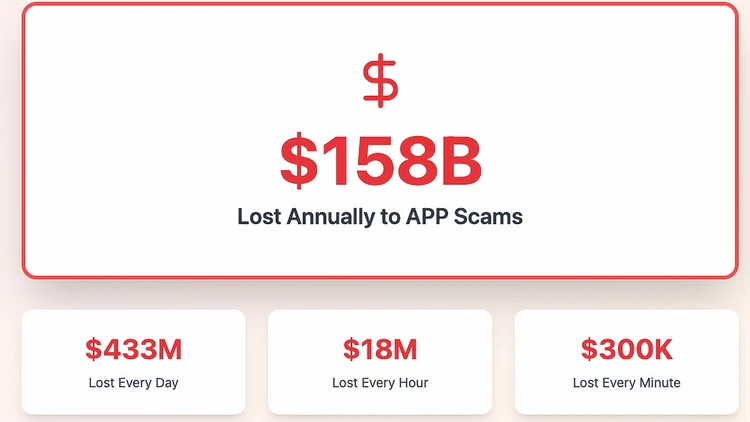
Newly released IC3 data underscores the scale of the problem:
535,314 complaints were filed last year
$13.7 billion in losses were reported—an average of $25,700 per victim
Between 2020 and 2024, total reported losses reached $50.5 billion
People over 60 suffered the highest losses and submitted the most complaints
Older adults who need help filing a complaint can contact the DOJ Elder Justice Hotline at 1-833-FRAUD-11 (833-372-8311).
Talk to family members
The FBI is specifically urging Americans to talk to relatives—especially older family members—about common scam red flags. The agency stresses that individuals should never:
Share sensitive information with people they’ve only met online or by phone
Send money, gift cards, cryptocurrency, or other assets to unknown parties
Anyone who experiences suspicious or fraudulent activity should file a report at ic3.gov and include as much detail as possible, such as:
Identifying information about the scammer or company
Methods of contact (websites, emails, phone numbers, social media accounts)
Details of financial transactions, including payment type, account numbers, financial institution information, or crypto wallet addresses
A description of interactions with the scammer