
Equifax has agreed to create a $100 million fund to settle claims that a coding error caused it to send inaccurate credit scores to lenders.
The error may have affected about four million consumers who applied for mortgages, auto loans, credit cards, or other credit during a three-week period in 2022.
Eligible consumers are expected to receive notices explaining how to claim a cash payment, but the amount of individual payments has not been determined.
Equifax has agreed to a $100 million class-action settlement over allegations that a coding error caused the credit bureau to provide inaccurate credit scores for millions of consumers.
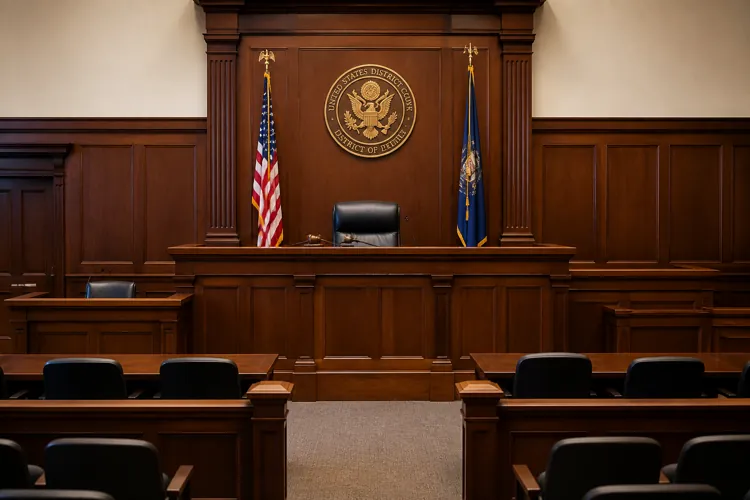
The proposed agreement received preliminary approval Aug. 17 from U.S. District Judge Leigh Martin May in the Northern District of Georgia. A final approval hearing is scheduled for Jan. 22, 2027.
The lawsuit alleges that Equifax miscalculated some credit scores sent to lenders between March 17 and April 6, 2022. The problem occurred as consumers were applying for mortgages, auto loans, credit cards, and other financial products.
Approximately four million people may be included in the settlement class, according to attorneys representing the consumers. In some cases, scores reportedly fell by more than 20 points, potentially affecting whether applicants were approved and how much interest they were charged.
Equifax has denied violating the Fair Credit Reporting Act or engaging in wrongdoing. The settlement does not constitute an admission of liability.
The credit agency has agreed to write some pretty big checks lately. Earlier this month, Equifax agreed to a $2.2 million settlement to resolve duplicate collection reports.
A short-lived error with potentially costly consequences
Equifax acknowledged in 2022 that a technology error affected the calculation of some credit scores and related information. The company has said the underlying information in consumers’ credit files was not changed.
However, the score delivered to a lender can play an important role in determining whether an applicant qualifies for credit and the terms offered. Even a relatively small score change can be important when an applicant is near a lender’s cutoff for approval or for a lower interest rate.
The lawsuit alleged that the inaccurate scores may have caused some consumers to be denied credit or offered loans at higher rates. It also accused Equifax of relying on outdated systems and inadequate testing procedures.
Equifax has maintained that most scores did not change substantially. The company previously said fewer than 300,000 consumers experienced a change of 25 points or more and argued that lenders consider many factors besides a credit score.
How much could consumers receive?
The $100 million settlement fund will be used to make cash payments to eligible class members and cover court-approved legal fees, administrative expenses, and the cost of notifying consumers.
Payments are expected to be distributed on a pro rata basis, meaning the amount each person receives will depend on the money remaining after expenses and the number of valid claims submitted. No individual payment estimate has been announced.
The fund is non-reversionary, according to the consumers’ attorneys. That means money left after the claims process will not be returned to Equifax.
Consumers do not appear to be able to file claims yet. If the settlement receives final approval, a settlement website and claim procedure are expected to provide information about eligibility, deadlines, and payment options. Potential class members may also receive notices by mail or email. Attorneys for the class say the agreement is the largest class-action settlement reached under the Fair Credit Reporting Act.
Consumers should be cautious of unexpected messages promising an immediate Equifax payment. A legitimate settlement administrator should not require a processing fee or ask for payment to submit a claim.