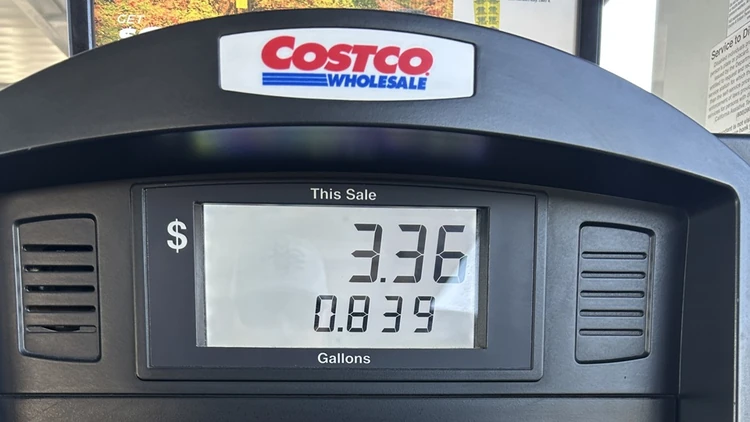

Faster, less chaotic fill-ups: Standalone stations mean more pumps, shorter lines, and no warehouse parking lot traffic.
Same cheap gas, easier access: Expect Costco’s typically lower prices (often 20–30¢ less per gallon) without the usual hassle.
Bigger impact ahead: If this works, more locations could roll out — boosting competition and helping keep gas prices lower long-term.
Costco is doubling down on one of its biggest traffic drivers: cheap gas.
The retailer plans to open its first-ever standalone gas station in Mission Viejo, CA, by June 2026. The site, about 40 miles from downtown Los Angeles, will feature 40 pumps, making it the largest Costco gas station to date.
A second standalone location is already in the works for Honolulu, expected in 2027.
While you’ll still need a Costco membership to take advantage, here’s what it means for drivers long-term.
What’s changing (and why it’s a big deal)
Costco gas has always been tied to its warehouse locations. That’s part of their strategy, as they know cheap fuel pulls you in, and then you shop.
But it also creates problems:
- Long lines
- Packed parking lots
- Limited access during peak hours
A standalone Costco gas station fixes that, at least in theory.
By separating fuel from the warehouse, Costco can:
- Serve more drivers, faster.
- Reduce congestion at stores.
- Expand into areas without a full warehouse.
And for shoppers, that likely means easier access to some of the cheapest gas around.
Why Costco gas is so popular
Costco doesn’t make much profit on fuel, but that’s not really it’s job. Low gas prices are designed to drive loyalty to the Costco warehouse.
But for members, the savings are real:
- Often 20–30¢ cheaper per gallon than nearby stations.
- Consistent pricing (less fluctuation than competitors).
- High-quality fuel standards.
That’s why lines to get gas can get ridiculous at peak times.
What you should actually do (actionable tips)
- Use standalone stations strategically. When they expand to other cities, they’ll likely be less crowded than warehouse locations, especially if they have 40+ pumps. That means faster fill-ups without the wait at most stations.
- Stack your gas savings. Pair Costco gas with a 3%–5% cash-back credit card. On $250/month in gas, that’s:
- ~$90/year back at 3%
- ~$150/year back at 5% - Time your fill-ups. Even with new stations, timing will still matter:
- Best time: Early morning or late evening.
- Worst time: Weekends and right after work.
Why this matters long-term
If this first location performs well, expect more standalone Costco gas stations across the country.
That’s important because:
- It increases competition, which helps keep gas prices lower overall.
- Gives members more ways to justify their membership.
- Makes Costco a bigger player in everyday spending, not just bulk shopping.
Bottom line
This isn’t just another boring new gas station popping up. It’s Costco testing a new way to expand its cheapest, perhaps most useful product.
And if it works, it could mean more convenient access to lower gas prices without the usual Costco chaos.