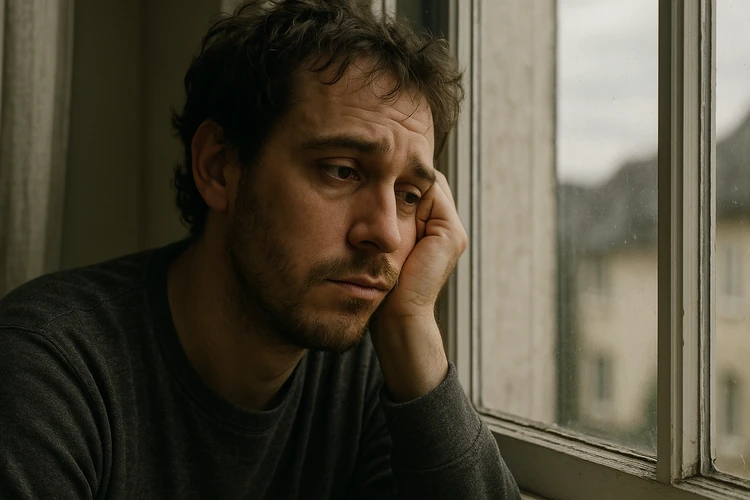

Seasonal affective disorder (SAD) is a type of depression triggered by reduced sunlight in the fall and winter, leading to low energy, increased sleep, and changes in appetite or mood.
Early recognition and action can ease symptoms and prevent them from worsening.
Connection and consistency matter: Staying social, practicing healthy habits year-round, and reducing mental health stigma are key to keeping the winter blues at bay.
As the calendar flips and the daylight starts to fade earlier, many of us feel that familiar slump — less energy, more cravings, and a mood that just won’t seem to shake off.
It’s not just “getting in a funk.”
According to Stephanie Marcello, Ph.D., Assistant Vice President of Academics, Integration & Innovation at the Behavioral Research & Training Institute at Rutgers University, these shifts often reflect real seasonal changes — less daylight, altered routines — and are entirely normal. Yet that doesn’t mean you have to just wait it out.
ConsumerAffairs interviewed Dr. Marcello to learn practical, everyday moves you can make to keep your mood resilient until spring returns.
What is seasonal affective disorder?
Some people may have heard of SAD – seasonal affective disorder. Dr. Marcello described it as “a type of depression that happens during certain times of the year, typically fall and winter, when there is less sunlight.”
She said that during these times, the person feels differently than they typically do, and they might not want to do things that they normally enjoy during the other seasons.
“A person might feel extra tired or sad for a good portion of the day and not be sure why,” Dr. Marcello said. “This low energy might make them want to sleep more, and they could find themselves eating more and even craving carbs. They might hear from loved ones in their life that they just don’t seem the same, and they might not be able to really understand why this is.”
Telltale signs of SAD
If you think you might be struggling with SAD, Dr. Marcello shared some of the most common signs:
One of the most important clues is that these symptoms tend to appear and end around the same time each year.
Symptoms improve as sunlight increases.
You notice an impact on your daily life.
You experience depression-related symptoms – feeling sad most of the day, losing interest in things that you enjoy during the other months of the year, feeling tired even after sleeping, wanting to sleep too much, difficulty concentrating and socially withdrawing by staying home and avoiding people.
“Please know that you don’t have to experience all these symptoms to have a diagnosis of SAD,” Dr. Marcello said. “I would say the most important symptoms to look out for is a change in your typical behavior during the same seasons each year. This is when I would reach out for professional help.”
Do’s and don’ts of SAD
One of Dr. Marcello’s biggest pieces of advice is to talk to someone about what you’re experiencing – don’t keep it inside and suffer in silence.
She also shared some of her top do’s and don’ts for those who struggle with SAD:
Go outside daily – the natural light can boost your mood significantly.
Antidepressants and light therapy can be considered when talking to a professional.
Sleep is essential – try to keep a regular schedule of going to bed and waking up.
As much as you might want to stay home and avoid people, staying connected with friends and family can really help. Make yourself attend events and time with friends, even if you don’t feel like it.
Exercising regularly can be very helpful. Bundle up – you can still walk outside in the colder months.
“Don’t wait too long,” Dr. Marcello said. “You don’t deserve to suffer, and there are very effective treatments! It is very easy to want to stop taking care of yourself, but that can make things worse.”
Prevention can help
While these symptoms may be hitting their peak right about now, Dr. Marcello encourages people to prioritize their mental health throughout the entire year. She explained if you have healthy habits in place, it can be beneficial during times of struggle.
“I like to focus on wellness and creating healthy habits that we practice daily,” she said. “Things like exercise, staying connected, and relaxation exercises on a yearly basis can help cope during the winter months. If we know our patterns and feel these same symptoms at the same time each year we want to focus on prevention to try to keep the symptoms mild.
“We must keep talking about wellness and mental health to help reduce the stigma,” Dr. Marcello said. “Please connect with loved ones and professionals. You are worth it!”