
Record-breaking prices: The average price paid for a new vehicle reached $51,109 in October 2026, an all-time high and an increase of $649 from September.
SUVs and pickups are driving prices higher: Strong demand for larger, more expensive vehicles is pushing up the industry average, even as many consumers continue buying less expensive models.
Some relief for buyers: New vehicle prices rose just 2.1% over the past year, below historical averages, while manufacturer incentives increased slightly.
The price of a new car has reached another milestone, and it's not one consumers are likely to celebrate.
The average transaction price for a new vehicle in the United States climbed to a record $51,109 in October, according to a new report from Kelley Blue Book, a division of Cox Automotive.
That's an increase of $649, or 1.3%, from September's revised average of $50,460. Compared with October 2025, new vehicle prices are up 2.1%.
The average manufacturer's suggested retail price, commonly known as the sticker price, also increased, reaching $52,933 in October.
While the figures underscore the continuing affordability challenges facing car buyers, the report suggests that prices aren't rising as rapidly as they have historically. The 2.1% annual increase in actual transaction prices is below the longer-term October average of 3.6%.
Still, for consumers shopping for a replacement vehicle, the numbers illustrate how expensive transportation has become.
Bigger vehicles are pushing prices higher
One of the biggest reasons for the record average price is the type of vehicles Americans are buying. The numbers suggest more affluent consumers are continue to buy, focusing on more expensive models, while the average consumer is buying fewer new cars and choosing more modest models when they do buy.
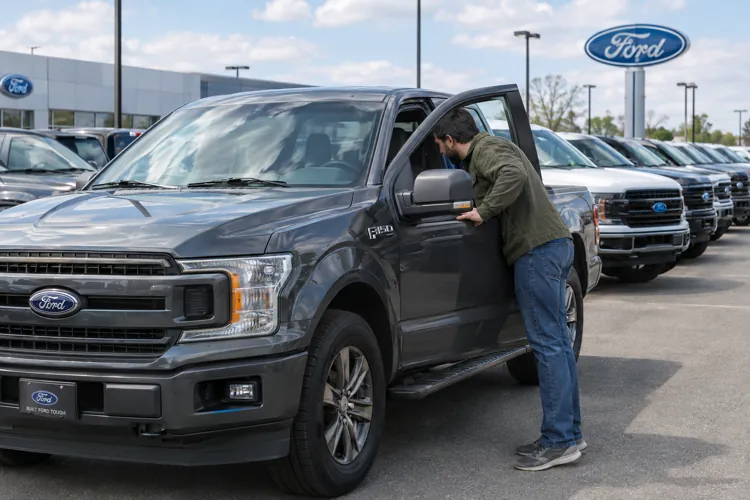
Larger SUVs and full-size pickup trucks continue to attract buyers, and those vehicles generally carry much higher prices than compact cars and smaller SUVs.
According to Kelley Blue Book, the average transaction price for a full-size pickup truck reached $67,912 in October, up 1.4% from a year earlier.
Midsize SUVs averaged $50,570, an increase of 1.9%. Sales volume in that category grew nearly 10% compared with October 2025, making midsize SUVs the industry's highest-volume segment.
By comparison, compact SUVs sold for an average of $37,895, while subcompact SUVs averaged $31,333.
Compact cars remained among the least expensive mainstream choices, with an average transaction price of $28,030.
That means consumers shopping for smaller vehicles can still find prices substantially below the industry's $51,109 average.
"The average is telling us as much about product mix as it is about affordability," said Erin Keating, executive analyst at Cox Automotive.
Keating noted that three of the five highest-volume vehicle categories sold for significantly less than the industry average. In fact, sales of vehicles priced between approximately $28,000 and $38,000 collectively increased 9.6% from a year earlier.
The findings suggest that while expensive vehicles are lifting the overall average, many consumers are continuing to seek out more affordable transportation.
Automakers aren't offering much more in discounts
Despite record prices, manufacturers and dealers aren't dramatically increasing incentives to attract buyers.
Kelley Blue Book estimates that incentives averaged 6.8% of transaction prices in October, compared with 6.7% in September and 6.5% a year earlier.
The average incentive was approximately $3,490, an increase of about $130 from September.
Although discounts have increased, they remain below long-term industry averages. That suggests automakers are not yet under enough pressure to offer aggressive discounts or substantially reduce prices to clear unsold inventory.
For consumers, it means that waiting for a large manufacturer rebate may not necessarily produce significant savings.
Electric vehicles remain more expensive
Electric vehicle prices also increased in October, although they remain below their year-earlier levels.
The average transaction price for a new electric vehicle reached $56,220, up 1% from September but down 2.7% from October 2025.
Manufacturers continue offering larger incentives on electric vehicles than on gasoline-powered models.
EV incentives averaged 11.3% of transaction prices, compared with the industrywide average of 6.8%.
Tesla's average transaction price was $54,194, down from September but 1.2% higher than a year earlier.
Kelley Blue Book attributed some of Tesla's year-over-year increase to stronger sales of the Cybertruck, which averaged $92,380 in October.
What consumers can do to save money
The record prices create additional challenges for buyers already dealing with higher insurance premiums, financing costs and other household expenses.
And the purchase price is only part of the equation. Interest charges on auto loans can add thousands of dollars to the total cost of a vehicle.
Edmunds data show that more than one-quarter of new-car buyers financing their purchases are taking out loans lasting 84 months or longer.
Longer loans can lower monthly payments but increase total interest costs and leave buyers owing more than their vehicles are worth. Consumers looking to keep costs down should consider shopping across several vehicle categories rather than focusing exclusively on larger SUVs and trucks.