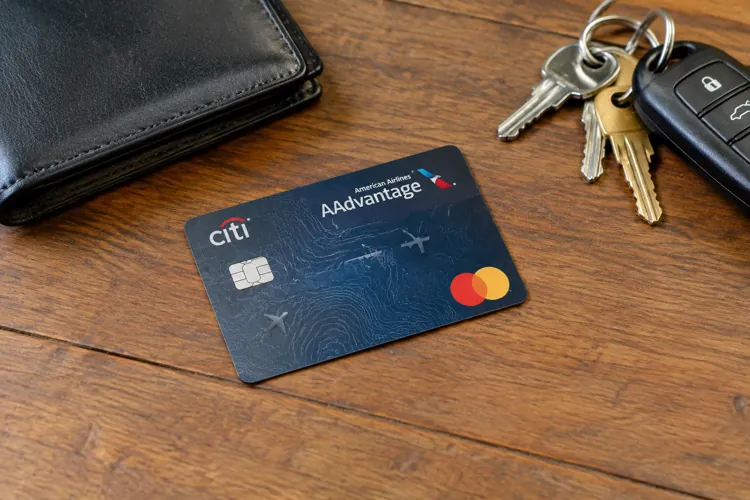

Higher annual fees: American Airlines and Citi are increasing annual fees on two popular AAdvantage credit cards from $99 to $150, a 52% increase.
New benefits: Cardholders will receive additional travel protections, more opportunities to earn miles, and new statement credits intended to offset the higher cost.
Changes begin in January: The new fees and benefits take effect January 24, 2027, giving existing cardholders time to decide whether the cards are still worth keeping.
Airfares aren’t the only thing going up for travelers. American Airlines is raising the annual fees on two of its popular rewards credit cards, joining a growing number of airlines and financial institutions that are charging consumers more for premium travel benefits.
The airline and its credit card partner, Citi, announced that the annual fee for the Citi/AAdvantage Platinum Select World Elite Mastercard and Citi/AAdvantage Business World Elite Mastercard will increase from $99 to $150 beginning January 24, 2027.
That's an additional $51 a year, or an increase of approximately 52%.
The cards will continue to waive the annual fee for the first 12 months for new cardholders. Existing customers will generally encounter the higher fee at their next renewal after the changes take effect.
In exchange, American and Citi are introducing several new benefits, including expanded mileage rewards, travel protections and statement credits.
"We're continuing to evolve the Citi/AAdvantage portfolio to better reflect how our members live, spend and travel today," said Scott Long, American's senior vice president of AAdvantage.
What's changing for cardholders?
The Platinum Select card, which is marketed primarily to occasional travelers, is getting several new features.
Cardholders will earn three AAdvantage miles for every dollar spent on eligible hotel and rental car reservations booked through American's designated websites
The card will also award two miles per dollar on purchases at electric vehicle charging stations, select streaming services, and eligible rideshare and public transportation purchases.
Other new benefits include:
Up to $100 annually in statement credits for eligible inflight purchases.
Up to $120 toward Global Entry or TSA PreCheck application fees every four years.
A complimentary Walmart+ membership, valued at $98 annually.
A 50% discount on an annual FOX One streaming subscription.
New travel protections covering trip delays, cancellations, interruptions, lost baggage and rental cars.
The annual American Airlines flight discount is also increasing from $125 to $150. However, qualifying for that benefit requires spending at least $20,000 on the card during the membership year and renewing it.
The Business Mastercard is receiving similar travel credits and protections, along with expanded rewards for certain business purchases and a discount on a Melio business payments subscription.
Both cards will retain existing benefits, including a free first checked bag on eligible domestic American Airlines flights for the primary cardholder and up to four companions on the same reservation.
One existing benefit is disappearing. The cards' 25% discount on eligible inflight purchases is being replaced with the new annual statement credit of up to $100.
Are the new benefits worth another $51?
That depends largely on how frequently cardholders travel and whether they actually use the additional benefits.
For example, a customer who already pays $98 annually for Walmart+ could potentially offset the entire $51 fee increase through the complimentary membership alone.
Someone who regularly purchases food or beverages aboard American Airlines flights might also benefit from the new inflight statement credits.
However, consumers who rarely fly American Airlines or don't use the additional services could find themselves paying more for benefits they don't need.
The Global Entry and TSA PreCheck credits may be attractive, but they're available only once every four years. Consumers who already receive those benefits through another credit card may see little additional value.
Similarly, the increased flight discount requires substantial annual spending, making it less useful to occasional travelers.
Airline credit cards are becoming more expensive
American's announcement reflects a broader trend in the credit card industry, where issuers are increasing annual fees while adding perks intended to justify the additional expense.
Several competing airline credit cards have also become more expensive, while premium general-purpose travel cards have seen particularly large fee increases.
For card issuers, the strategy is to offer additional benefits that encourage customers to use their cards more frequently, potentially generating more revenue from purchases.
For consumers, however, the growing number of benefits can make it harder to determine whether they're actually getting their money's worth.
A credit card offering hundreds of dollars in potential savings isn't necessarily a bargain if those savings require purchases or subscriptions the consumer wouldn't otherwise make.
What cardholders should do before January
Consumers who currently carry either of the affected American Airlines credit cards should review their spending and travel habits before their next annual fee is charged. Start by calculating how much money the card saved over the past year through free checked bags, travel discounts and other benefits.
Then compare those savings with the new $150 annual fee. Consumers should also determine whether the new benefits duplicate rewards already available through other credit cards.
For example, travelers who already have a credit card offering TSA PreCheck reimbursement or rental car coverage may gain little from having those features added to their American Airlines card.
Cardholders who decide the increased fee isn't worthwhile can ask Citi whether a product change to a lower-cost or no-annual-fee card is available.
Closing an account is another option, although consumers should consider the potential impact on their credit scores, particularly if the account has a long history or a large available credit limit.