2023 Amazon News

Article Image

Prime rolls out unlimited grocery deliveries for $9.99 a month

Amazon is rolling out a new subscription plan for Prime members who order groceries. 

Under the new program, Prime members can opt in for unlimited grocery deliveries at $9.99/month. This means that members will receive their grocery deliveries over $35 with no extra delivery fees or charges. 

Additionally, with this new grocery plan, Prime members will get unlimited access to pick up grocery orders of any size. 

Right now, the program has launched in Columbus, Ohio, Sacramento, Calif., and Denver. Based on how these cities fare with the new program, and depending on Prime members’ feedback to the company, this will determine how Amazon moves forward with unrolling this option to more cities across the country. 

“We’re always experimenting with features to make shopping easier, faster, and more affordable, and we look forward to hearing how members who take advantage of this offer respond,” Tony Hoggett, senior vice president of worldwide grocery stores for Amazon, said in a statement. 

Still paying for a Prime membership

While the new plan for Amazon groceries will help consumers save some money on delivery fees, the monthly subscription fee comes in addition to the Prime membership fee. 

So, Prime members will have to pay the $9.99 per month for unlimited grocery deliveries with no delivery fees, and then either $14.99 a month or $139 a year for their Prime membership. 

“Amazon Prime, known for its annual fee of $139, has set a standard for seamless and cost-effective shopping, offering free Prime shipping on any order without the constraints of a minimum spending requirement,” Yoni Mazor, CEO of Getida.com, told ConsumerAffairs. “Introducing a dual-layered cost structure for grocery subscriptions may, however, be a tough sell for consumers accustomed to the simplicity of a single, comprehensive fee. 

“Amazon stands at a crossroads with its grocery subscription service,” Mazor continued. “To ensure widespread acceptance and customer satisfaction, the company should consider adopting a more value-centric packaging strategy. By focusing on delivering a seamless experience and incorporating additional perks, Amazon can steer clear of the pitfalls associated with layering costs and secure a competitive edge in the ever-expanding world of online grocery shopping.”

The evolution of Amazon grocery delivery pricing

Over the course of this year, Amazon’s grocery delivery pricing has gone through an evolution. 

In January of this year, Amazon upped its order minimum for all grocery order delivery fees – from $35 to $150. On top of that, the delivery fee was dependent on how much consumers spent on Amazon Fresh – the bigger their orders were, the less expensive the delivery fees were. 

Then, in August, Amazon opened up grocery deliveries to non-Prime members. While those without Prime memberships had access to Amazon grocery orders, their delivery fees were even higher than Prime members’ – between $7.95 and $13.95 just for delivery. 

Article Image

Expert negotiator shares their buying tactics on Amazon

Amazon Prime’s Big Deal Days is this week and if you plan on trying to take advantage of the special deals, a world-renowned negotiator has come up with three interesting ways to up your luck in getting the best price possible.

Keld Jensen, founder of SMARTnership and author of the upcoming book, Negotiation Essentials: The Tools You Need to Find Common Ground and Walk Away a Winner, put himself in the shopper’s shoes and shared key negotiation tools you might want to try, not only for this Amazon sale but others down the road.

The three tools to a better price

Jensen told ConsumerAffairs that before engaging in any negotiation or making a purchase, the most crucial step is thorough research and preparation. That research should include understanding what the items you want are typically priced at. That way you’ll know how much – or how little – of a deal it really is.

Tool number two? You should be willing to walk away from something you want to buy if the seller isn’t willing to give you a better offer or an additional incentive.

The third thing that will give you an advantage are price trackers and alerts. “Price trackers will enable you to determine whether the Prime Day deal is genuinely the best offer, or if the item has been available at a lower price point in the past,” he said. “And sign up for price alert tools or apps that will notify you when the items on your wishlist are available at your desired price point.”

Utilizing price matching

Jensen says that once you identify the items you want to buy, check prices both inside and outside of Amazon. Then, ask the retailer that’s selling the item you want if they offer price matching. 

Also, you should hang on to your receipts. “Some retailers offer post-purchase price matching within a certain timeframe,” Jensen noted. “If an item you recently purchased is available for a lower price on Prime Day, you may be able to request a refund for the difference.”

Negotiating tools for third-party sellers on Amazon

“Negotiating as a consumer, especially on platforms like Amazon where prices are generally fixed, can be a bit tricky,” Jensen told us. “However, there are some strategies you might employ to try and get a better deal or some added value when dealing with third-party suppliers."

Contact the seller directly: Politely ask if there are any available discounts or upcoming sales, and if you’re buying in bulk, ask if they can offer a reduced rate per item.

Leverage order history: If you’ve ordered from them before, mention your previous purchases and ask if they offer loyalty discounts.

Discuss bundle or package deals: If you’re buying a product, ask if they can offer a discount if you buy related products as a bundle.

Be polite and professional: Always be polite and professional in your communication, even if the negotiation doesn’t go your way.   

Negotiate on shipping: If purchasing multiple items, ask if they can offer reduced or combined shipping. If you need something shipped sooner, you can ask the seller if they can offer expedited shipping at a standard rate. Many sellers mark up the cost of shipping to their advantage and as long as they’re making money on the sale, they might be flexible in the price of shipping.   

Look for similar products: Sometimes mentioning that you’re considering a similar product from another seller might prompt them to offer you a better deal.

The abandoned cart trick: Nearly two-thirds of all online shopping carts are left abandoned which makes sellers crazy. Many employ sales widgets that will reach out to a shopper who left items in their cart and offer them a discount after a few days. It’s not a cinch, but it might save you 10-15%.

Offer to give them some extra promotion: Offer to promote their product on your social media in exchange for a discount, but be sure to mention that you’ll provide a detailed and honest review of the product.

Check for online coupons: Before negotiating, check if there are any online coupons or codes available that you can apply for an instant discount, and be sure to explore cash-back options through various platforms or credit card offers. 

Make sure you understand the Return Policy: Be sure you understand both the return and refund policy in case the product does not meet your expectations. Amazon is pretty flexible on its own products, but third-party sellers might not be, especially the ones who operate from overseas.

Follow the seller: Follow the seller’s Amazon store or subscribe to newsletters to be informed about future discounts and deals.

Article Image

Amazon says ads are coming to Prime Video

Before you know it, streaming TV is going to be just like cable TV and over-the-air TV used to be. For many of us who signed up for Netflix, Prime, HBO, etc., we loved the ad-free landscape – something we could qualify as a reason to cut the cord.

In the battle against traditional TV, Disney+, Netflix, and Max have expanded into the ad-supported arena. Now, we can add Amazon Prime Video to that list, too. 

Amazon has announced that starting next year, Prime members will begin to see “limited advertisements.”

Amazon says that the extra revenue will allow it to continue to invest in “compelling content and keep increasing that investment over a long period of time.” And it has certainly made a considerable investment with Thursday Night Football and one of the most expensive series of all time, “The Lord of the Rings.”

The upside: the cost of Prime memberships won’t go up

The trade-off may be that for some “limited ads,” Prime members won't be seeing a price jump in the membership fee, Amazon vows. However, if you don't want ads, then you’ll be paying Amazon $2.99 more a month. 

“We will email Prime members several weeks before ads are introduced into Prime Video with information on how to sign up for the ad-free option if they would like,” the company said regarding how things will roll out.

Article Image

Crunch Fitness adds Amazon One palm scanners

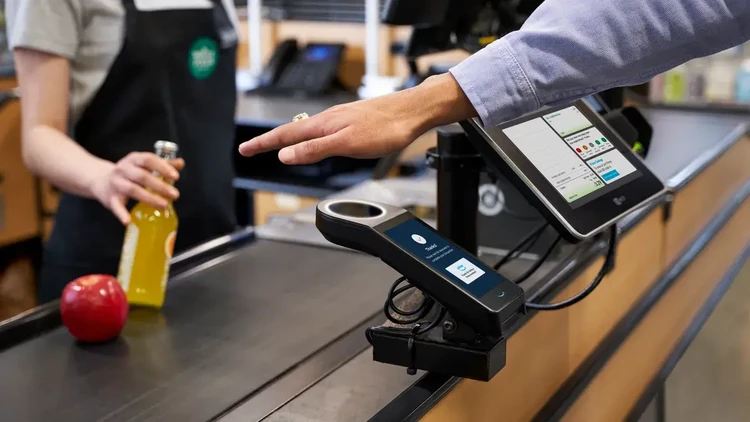
Amazon One technology has been implemented in places like Panera Bread, Whole Foods, and even baseball games. 

Now, consumers will be able to scan their palm print to get into the gym. Crunch Fitness announced it will implement Amazon One in select locations, allowing members to ditch any kind of physical ID card or mobile app pass, and instead scan their palms to gain access to the gym. 

“We are thrilled to be the first fitness brand and gym to offer Amazon One as an entry option,” said Molly Long, chief experience officer at Crunch Fitness. “Implementing Amazon One at Crunch gyms has been a win-win for our members and for our Crunch team. The feedback from our members has been positive – they appreciate the ability to enter the gym swiftly and efficiently without the need to remember to bring their membership key tag or open the mobile app.” 

Improving access to the gym

Currently, nine Crunch Fitness locations have installed palm readers for the Amazon One technology – five in San Francisco, three in New York City, and one in Los Angeles. 

Over the last four months that the palm-entry system has been in place, these locations have recorded 80% of members opting for entering with their handprint as opposed to a membership ID or mobile app pass. This success has led to plans for more Crunch locations to implement this technology in the coming months.

“The fast-growing adoption of Amazon One at Crunch Fitness center showcases the versatility of our palm recognition service, and how it can be used as a quick and convenient entry option in gyms and fitness centers across the country,” said Sanjay Dash, vice president of identity and checkout technologies, AWS Applications. “With Amazon One, Crunch members have a fast and innovative way to validate their membership, and get to their workout with the hassle of carrying membership tags or using their mobile app.” 

How it works

To start using your palm to enter the gym or checkout at Whole Foods, the first step is enrolling in Amazon One by linking your Amazon account with the Amazon One technology. Then, you need to register your unique handprint to your account at an Amazon One scanner near you, and you can start scanning with your palm. 

Each person’s handprint is unique to them, and Amazon One creates a palm signature that can’t be replicated or stolen. You have complete control over your palm signature and how it’s used, and Amazon says that your personal data surrounding your palm signature is never shared with third-party advertisers or government agencies. 

“Amazon One was designed to protect consumer privacy – the system operates beyond the normal light spectrum and cannot accurately perceive gender or skin tone,” wrote Gerard Medioni, vice president and distinguished scientist, AWS Applications. “Amazon One also does not use palm information to identify a person, only to match a unique identity with a payment instrument.” 

More information on Amazon One, including how to get started, is available here.

Article Image

Amazon Pharmacy offer instant discount on insulin

For those struggling with diabetes and the consistently high costs of insulin, Amazon Pharmacy may have the answer for you. 

The company announced that it will launch automatic coupons in its pharmacy on over 15 of the most common diabetes care and insulin brands, bringing the monthly cost of the life-saving drug to a starting point of $35 a month. 

“It’s exciting to know that patients will now have instant access to discounts on many of the most commonly prescribed insulin brands and diabetes care products available,” said Andrew Vo, an Amazon Pharmacy pharmacist. “Plus, we are offering a broad selection that will support the needs of a wide patient population.” 

Know the price before you checkout

With automatic coupons, consumers looking for their specific brand of insulin won’t have to worry about remembering to input a discount code or applying a coupon. Once the chosen insulin is added to customers’ carts in Amazon Pharmacy, the discount will be automatically taken off the total cost before checkout. 

Another key component of utilizing these discounts is getting to see the final total before checking out. Customers can scroll through dozens of different options of insulin, pumps, glucose monitors, and more to find the best price for them with the available discounts, and with and without insurance. 

“Imagine not knowing the price of food or other essentials before being asked to pay at the cash register – that would be a terrible experience,” said John Love, vice president of Amazon Pharmacy. “The lack of upfront pricing in pharmacy is a pain point for customers that Amazon Pharmacy can help solve. Similar to how customers shop for the items they need on Amazon, we’re making it simpler to get critical medications.” 

With Amazon Pharmacy, consumers get many of the same benefits that come with shopping on Amazon, including free delivery on medications. As an added bonus, Amazon’s pharmacists are available to answer any questions around the clock, 24/7. 

Some restrictions to the discounts

While these insulin discounts are available to consumers regardless of their insurance status, there are a few restrictions on who is eligible to redeem the coupons. 

Those receiving government assistance, like Medicare, Medicare Part D, or Medicaid are ineligible to utilize the coupons.

In addition, those who are enrolled in Amazon’s Prime prescription savings benefit – a program that discounts prescription drugs and allows consumers to pick them up at their local pharmacies – or Amazon’s RxPass, a $5/month subscription service that gives consumers all of their prescriptions for one flat fee, are also ineligible for the insulin discounts. 

Article Image

Prime Day happens next week. Here’s a sneak peak at some of the best deals.

If you’re a deal hog, you’ve probably already told Alexa to get you out of bed next Tuesday at 3 am – the time when Amazon’s 2023 Prime Day event kicks off.

The company promises more deals than ever before, with 48 hours of discounts on millions of products. Plus, it’s adding a new twist by dropping new deals every 30 minutes during select periods.

In an email to ConsumerAffairs, Amazon said the deals will be highlighted across the beauty, fashion, fitness, electronics, toys, and Amazon device categories, but that’s a little too big picture, right? Digging deeper, here’s what we found as far as specific deals are concerned.

Entertainment

How about up to 90% off channels & titles for Prime members? DealNews turned ConsumerAffairs on to this gem: Prime members can save on 2-month subscriptions to channels including Paramount+ (50% off), AMC+ (50% off), and Starz (90% off), as well as individual titles like Dungeons & Dragons: Honor Among Thieves, Black Adam, and select Indiana Jones movies.

And that’s not all.  Prime members can subscribe to select channels for $0.99 for up to two months and get 50% off for up to two months if they are not already subscribed.

And, if you have a student in the household, eligible customers who sign up for a new Prime Student membership can receive a $6 credit to rent or buy titles on Prime Video.

Other entertainment-related deals include:

  • Amazon Music Unlimited: Prime members who haven't yet tried Amazon Music Unlimited can get four months free, with access to more than 100 million songs and podcasts ad-free, on-demand, and in high-quality streaming audio. Amazon Music Unlimited subscribers can also upgrade to a Family Plan for four months at no additional charge.

  • Books – both audio and digital: If you’re a book lover, check out these deals. Prime members can get the first three months free of Audible Premium Plus. Membership includes a massive selection of new releases and bestsellers, plus unlimited listening to thousands of included Audible Originals, audiobooks, and podcasts. And, you can get three months of unlimited reading for free with Kindle Unlimited.

Expecting Moms

Having a baby or know someone who is? WhatToExpect’s Christine Mattheis says that every mom realizes one thing they should stock up on are diapers, wipes, and ointments. If anything is like last year, Amazon might offer up to 36% off diapers and wipes from big brand names like Pampers, Honest and Babyganics 

“This year, keep an eye out for similar deals. If you’re pregnant or have a newborn, consider buying at least one box each of sizes one through three on Prime Day. If your baby’s older, buy at least one box of whatever size they’re in now, plus one box of the following two sizes. It’s significant savings on something you’re guaranteed to need eventually,” she said.

Clothing

Need some new duds? Here are some Prime Day deals that might fit the bill:

  • Gap: Save 60% on select Gap men's, women's, kids', and baby apparel.

  • Victoria's Secret: Save up to 45% on select Victoria’s Secret products.

  • Pop Culture T-shirts: Merch on Demand t-shirts for adults and kids will be on sale for $13.99. Options include family favorites like Barbie, Disney, Hello Kitty, Marvel, and Star Wars, as well as classic music merch from artists including the Beatles, Dolly Parton, Pink Floyd, Slayer, and Whitney Houston.

Food Delivery

  • Grubhub: Prime members get $15 off Grubhub orders of $25 or more with code GRUBPRIME this Prime Day. Prime members also enjoy $0 delivery fees with a free, one-year Grubhub+ membership trial valued at $120—at no additional cost to their Prime membership.

  • Amazon Fresh: Prime members can save up to $40 when they shop for groceries online, and get $20 off $100 or more purchases on Prime Day. Additionally, Prime members can save 25% when they spend $50 or more at a local store. 

  • EBT Cardhold deals: Prime and Prime Access members with an EBT card can save on groceries with Amazon Access. If you’re shopping for groceries in Amazon stores for the first time, enjoy $5 off your first order over $15 of select Amazon foods.

Discount Travel

Now, here’s something we’ve never seen before on Prime Day – discounted travel. Priceline is joining forces with Amazon to bring shoppers the first-ever Prime Day online travel deal! The company is amplifying savings with things like 20% off Hotel Express Deals with Priceline - $300 minimum purchase with a maximum savings value of $75.

The little guy's got deals, too

More than 60% of sales in Amazon’s stores are from independent sellers, and not to be left out, small businesses are trying their best to carve out some deal action of their own. Here are some that might be worth checking out:

  • Doggie things: Wild One Pet: Up to 67% off
  • Cookware: Caraway Home: Up to 26% off
  • Spicy flavors: FLYBYJING: Up to 38% off
  • Probiotic snacks: BelliWelli: Up to 28% off
  • Food & drink: Hella Cocktail Co: Up to 33% off; Ghia: Up to 20% off
  • Bathroom products: TUSHY: Up to 43% off
  • Can coolers and tumblers: BrüMate: Up to 49% off
  • Jewelry cleaning: Shinery: Up to 20% off
  • Skincare: Saturday Skin: Up to 50% off

Check out the full selection of small business deals at amazon.com/primedaysmallbusiness.

Smart Speakers and Electronics

Amazon is taking the opportunity to move out excess inventory of its smart speaker line during Prime Day 2023 – many things as much as half-off. If you don’t have a smart speaker in your house, it might be worth buying one to replace an alarm clock, have Alexa answer the occasional question, play music or video chat with your family.

“It's absolutely worth buying Echo devices on Prime Day because these are the best prices we've ever seen for these smart speakers,” MakeUseOf’s Abriela Vatu, said. “If the trend from previous years keeps this time around, it will be a long time before we see these kinds of prices for these devices again. So, if you've been waiting to get an Echo, now's the time to add it to your cart!

As for your eyes and ears...

If you need a new Smart TV, the Amazon Fire 43” Omni Series will be 75% off; and JBL Live 660NC Noise Cancelling Headphones will be 55% off.

And for digital artists, they can save $50-150 off Wacom and Intuos graphics tablets -- including $29.95 for One by Wacom and $99.95 for Intuos Medium BT Pistachio -- in both Lightning Deals and over the two-day course of Prime Day.

Back to School

This Prime Day, Prime members can get a head start on back-to-school and off-to-college shopping. There are savings across all top categories for parents, students, and teachers, including:

  • Select kids’ uniform styles from Amazon brands for under $10

  • Up to 55% off select Crayola products

  • Up to 55% off select mattresses and beds from Zinus

  • 30% off lunch boxes from Bentgo

  • 30% off select shoes from Hey Dude

  • 30% off towels and bedding from Amazon Basics

  • Up to 25% off select laptops by Acer, ASUS, Dell, HP, LG, MSI, and Samsung

  • 15% off backpacks from Champion

  • Prime members can stock up and save 20% off $30 of select school supplies and everyday essentials. Check out more deals on back to school items and college essentials.

How do you keep up with more deals?

Staying on top of every single price drop and deal announcement isn't going to be easy, but from watching Prime Days unfold over the years, it's apparent that Amazon is trying to make it easier than ever.

One nuance is the rollout of fun and inspirational shopping experiences like Inspire and Shop by Interest to help Prime members discover trending Prime Day deals in an immersive shopping feed that features recommendations from influencers, other customers, and brands.

The other in-the-know suggestion is Prime Night Live “Duel for the Deals.” Starting July 11 between 10 pm and 12 am EDT, tune into @prime’s TikTok Live—a two-hour game show featuring various contestants and special guests, including TikTok faves Alix Earle and Jake Shane, who will help viewers play along to unlock exclusive deals.

Article Image

Here comes Prime Day 2023!

Hey, Alexa, set a reminder for 3 a.m. on July 11.

Amazon has officially etched Prime Day in stone. The 48-hour event will start in the middle of the night on Tuesday, July 11 and run through July 12.

Members of Amazon's Prime program will have access to the lowest prices so far this year on select products from brands such as Bose, those wildly popular unlaced Hey Dude shoes, and Theragun massagers during the sale. Plus, every 30 minutes, deep discounts will drop on top products from the most popular brands throughout the event.

Because Amazon has its own line of company-owned products, those will get some special juice. The shopping experts at RetailMeNot told ConsumerAffairs that Echo devices (speakers and screens), Ring doorbells, and Amazon Fire tablets should be at hard-to-beat prices.

Other categories RetailMeNot deal analysts say should be in ample supply dealwise are pressure cookers, iRobot and Shark vacuums, and wireless headphones.

And Prime Day isn't the only rodeo in town this summer. If previous Prime Days are any indication, Walmart isn't to be denied. Plus, DealNews reports that Best Buy, Eddie Bauer, Nordstrom Rack, eBay, and others all have big sales of their own planned.

Aren't you special?

One new twist designed to make Prime members happy they’re subscribers is that this year's Prime Day event will also feature an invite-only deals program, allowing Prime members to request an invitation for exclusive deals expected to sell out.

Another nuance is added focus on small business owners who can now shop for more business products than ever before. 

Tips to help you prepare for Prime Day 2023

To save our readers some time, ConsumerAffairs has ID'ed the things shoppers can expect and how to get an edge when it comes to landing the best deals.
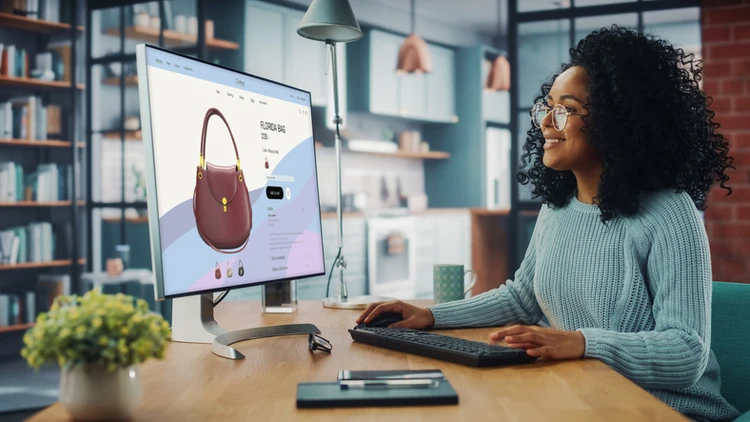
What’s on sale? Prime members can expect deals from popular brands such as Victoria’s Secret, YETI, Lancôme, Kérastase, Peloton, The Drop, and Sony, as well as save on new Amazon-exclusive deals from D’Amelio Footwear, OPI, and Alo Yoga. 

Beating everyone else to the punch. Amazon, those sneaky devils, may have July 11-12 as the “official” Prime Day dates, but it’s actually made some of those deals available now. There’s special pricing on Amazon Fresh, as well as back-to-school and off-to-college discounts, too. 

Did someone say “free money”? But the brass ring may be the $200 Amazon gift card that the company is offering Prime members who sign up – and are approved for – the Prime Visa credit card, an offer that runs from June 29 through July 26.

If free money is your favorite temptation, the company has more than that, too. Now through 11:59 p.m. PDT on July 7, Prime members will receive a $15 Amazon.com credit when they download the Amazon Photos app and upload their first photo.

Set up personalized alerts. There’s not a company alive that doesn’t want us to do everything possible via their app and Amazon is no exception. The company says that Prime members can subscribe to receive deal alert notifications related to their recent Amazon searches and recently viewed items.

The only thing you have to do is visit the Prime Day event page on the Amazon Shopping app sometime between now and Prime Day to create deal alerts. Then, when Prime Day arrives, you'll receive push notifications on any deals that match.

Give extra thought to how you want things delivered. Amazon Prime customers will get free delivery on millions of products, of course, but if they don’t want to wait for two-day delivery, they can try out same-day delivery for certain products in 90-plus U.S. markets.

Or they can try out the new “Your Amazon Day” option. With “Amazon Day,” a member picks out a day of the week that works for them and the company will deliver the items they order each week for free on that day.

Utilize price tracking. "Price trackers are the easiest way to monitor just how good a deal really is, especially for big-ticket items," a RetailMeNot spokesperson suggested. "By adding an Amazon price-tracking browser extension like camelcamelcamel, you’ll be able to easily monitor the prices of your most-wanted products as well as get price-drop alerts so that you never miss a deal."

Don’t want to spend the money to subscribe to Amazon Prime? We get it. Prime memberships aren’t hamburger-cheap, but the company doesn’t want to force anyone to spend $14.99 a month or $139 a year to take part either. To help those who just want to try the program out and take advantage of Prime Day deals, the company offers free 30-day trials. 
Article Image

Amazon Anywhere will let you buy physical products from games or apps

Amazon is merging how consumers shop and play with the launch of Amazon Anywhere. 

The new technology will allow users to buy products – like sweatshirts, pillows, t-shirts, or other merchandise – directly from games they’re playing or apps they have open. 

“Whether you’re playing video games or using your favorite mobile app, Amazon is extending the fun within virtual worlds and interactive digital environments with a new immersive shopping experience called Amazon Anywhere,” wrote Steve Downer, vice president of consumer electronics at Amazon. “With Amazon Anywhere, you can now discover and buy physical products from Amazon stores without ever having to leave your game or app.” 

Expanding the Amazon shopping experience

Amazon announced that this new shopping feature will roll out with Peridot, an augmented reality game from the creators of Pokemon Go. The game is currently available for both Apple and Android users, and it involves caring for a virtual pet. 

With Amazon Anywhere, players will be able to purchase Peridot merchandise without having to pause their game. The first step is linking your Amazon account to the game, which will take with it all of your account’s saved payment options and delivery addresses.
Shoppers will see a full range of sizes and colors, a selection of images for each of the products, and the Amazon Prime availability and estimated delivery date – similar to shopping on the traditional Amazon site or app. 
Once the selections are made, users simply tap “buy,” and the purchase is complete. At that point, you can go right back to playing your game, and your order details will be located in the Amazon app or on the Amazon website at any time. 

Some of the current merchandise offerings include phone accessories, throw pillows, sweatshirts, and t-shirts, all featuring artwork and characters from the Peridot game. 

“We’re creating a new landscape for shoppable entertainment and digital experiences while continuing to meet our customers where they are, with the products they love,” Downer said. “Most shopping in virtual worlds is currently limited to purchases of virtual currency and in-game digital items, with no easy path to purchase physical products. We want to change that.” 

Currently, Amazon Anywhere is sending out invitations to creators and developers of virtual worlds to link their apps and games to the shopping platform. Creators who are interested in being included can access more information here. 

Article Image

Are you wasting your Amazon Prime benefits? Bet you are.

Are you using all you can squeeze out of your Amazon Prime membership? Probably not, especially if all you’re doing is dropping $139 a year for movies, two-day shipping, and little more. 

At a time when money is tight, ConsumerAffairs thought it might be interesting to find what unused Prime perks there are, especially ones that make perfect sense because a consumer can save money elsewhere and keep everything under one roof.

Here’s a few things that might help in that department:

Spending money and getting money back

There are lots of credit cards that offer “cash back” to customers when they make a purchase, but with Amazon Prime’s Prime Rewards Visa Signature Card, eligible Prime members earn 5% back on anything they buy at Amazon.com as well as Whole Foods Market. 

And as that 5% adds up, Prime Members can apply it to future purchases. Let’s say, you buy something for $100, that’s $5 off another purchase which makes things like buying a pound of coffee really inexpensive.

One-day – or quicker – delivery

Two-day delivery is the Prime standard, but Amazon has quietly amped up delivery to 24 hours or less on 20 million items. Plus, in some U.S. cities, customers can now shop for products from their favorite local retail stores like GNC, Sur la Table, PacSun and Superdry on Amazon and have their purchases delivered on the same day to their doorstep. And if you really want lickety-split service, there’s two-hour grocery delivery, free on orders over $150.

Gamers – especially Baby Boomers – gaming delight

A recent AARP study showed that Americans aged 50-plus are playing video games more than ever – a fact that Prime can address where major, youth-leaning gaming platforms such as Twitch, might not be able to. Prime members get access to free games and in-game content at Prime Gaming every month on top of a free monthly channel subscription on Twitch.tv.

A Prime membership also gives U.S. subscribers the opportunity to play a rotating selection of free games each month on Luna, Amazon’s cloud gaming service

Audiobooks your thing?

Baby Boomers also love audiobooks and if they’re a Prime member, they can take advantage of Audible Narration on top of the digital, downloadable books they can get on their Kindle e-readers.

According to BookWritten, the only bugaboo about Audible Narration is that it’s often confused with Amazon’s Kindle Unlimited, a separate paid subscription.

To find free audiobooks, BookWritten’s Pradeep Kumar says all you have to do is search for “Books with Audible Narration in Prime Reading.” And Kumar says it’s a pretty good selection, too – lots of fiction and non-fiction, but romance and comics, too. He says one cool option with Audible Narration is that you can switch between reading and listening to your book. 

Try before you buy

Buying clothes online is tricky. For one thing, you can’t see the quality of the item. For another, you can’t try on the item. But with Amazon’s Prime Try Before You Buy you have seven days to try on new styles and sizes before you’re charged for the ones you want to keep. It’s a whole department store of items, too – not just clothing, but shoes and accessories as well. 

Students get even better deals

We’re a few months away from heading back to campus, but here’s one plus that the students in the family can take advantage of: If they have a valid .edu email address, they can sign up as part of the Prime Student program, which gives them a six-month free trial for Amazon Prime. If they like what they’re getting out of it, they can upgrade to a full Prime Membership for 50% off.

Another advantage is that Amazon offers textbooks, too – usually at much lower prices than the college bookstore.

Unlimited photo storage

Google Photos probably has the corner on the photo storage market, but the company also started charging for storage past a certain point. Amazon, however, gives Prime members access to unlimited high-resolution photo storage with Amazon Photos, as well as 5 GB of video storage.

Article Image

Amazon goes after 'bad actors' a second time this week

It’s been a busy week at Amazon – sort of a “spring cleaning,” if you will. On Wednesday, the company started flagging products that had fake reviews and unsatisfied customer responses to cut back on returns and products that didn’t meet its customers’ standards. 

Then, on Thursday, Amazon’s Counterfeit Crimes Unit (CCU) filed three lawsuits against a litany of companies that Amazon has branded as "bad actors." This bunch, however, was playing a different game.

Amazon said that the defendants in the lawsuits registered with Brand Registry, then created fake, disposable websites using product images scraped from the Amazon store, which they used as false evidence to make thousands of claims that selling partners were violating their copyrights.

When Amazon detected this attempted abuse, it acted quickly to protect customers and selling partners while also shutting down the accounts of the alleged violators.

The Amazon Brand Registry, according to SellerLabs, is an “official Amazon program where approved brand owners (or their registered agents) are on file with Amazon as trademarked brands. Being on file unlocks a preferred tier of Amazon services (protections and benefits) not available to unregistered brands or resellers.”

Amazon is sending a strong signal

Amazon doesn’t take kindly to violations of its policies, but this is new ground the company is plowing, trying to weed out anyone who does anything harmful to customers, brands, or its selling partners. 

For the moment, those sellers are off of Amazon’s platform and out of consumers’ lives, and the company vows that it will continue to hold any person or company accountable who tries something like this.

“We know how important it is to our selling partners to have a consistent Amazon store experience, and we will be unrelenting in our pursuit of bad actors who attempt to undermine that experience,” said Kebharu Smith, director of Amazon’s Counterfeit Crimes Unit. 

“These lawsuits should serve as a warning to anyone that uses fraud in an attempt to harm any of the millions of selling partners that work with Amazon every day.” 

Article Image

Amazon wages new war against fake reviews and crappy products

Would it help if you knew how often other shoppers return items bought on Amazon?

The company does and is introducing a new ‘’frequently returned item” tag that will flag those products and, therefore, send a signal to shoppers that maybe they should do a little more homework before buying one of those items.

Amazon has to look itself in the mirror and ask who came up with this “free returns” idea in the first place, but that ship may have sailed its last big voyage. If it can convince consumers to pay close attention to the items it thinks are likely to be returned, the company saves itself some of the hassles that come with returns like restocking and repackaging – not to mention the workforce required to handle those returns.

With the company laying off more than 18,000 employees, reducing all that’s required with handling a return should enhance Amazon’s bottom line.

Blame it on junk and hyped-up reviews

The key factor in going this direction appears to be the tons of counterfeit and downright crappy products that third-party sellers have touted using tons of fake reviews.

“Having a visible warning that such items are usually returned not only deters consumers from buying them but also could encourage retailers to be honest about their listings or at least improve on issues that lead to higher product returns in the first place,” The Verge’s Jess Weatherbed said in coverage of Amazon’s change. 

The review sham has been a headache for Amazon. Last September, a company spokesperson told ConsumerAffairs how hard it works to keep that issue to a low roar.

“It’s important for readers to know Amazon aims to prevent fake reviews from ever appearing in our store. We continuously innovate and invest to help ensure that only authentic reviews appear in our store—and take our responsibility to monitor and enforce our policies seriously, so customers can shop in our store with confidence,” the spokesperson said.

The company even went as far as suing thousands of fake review brokers on Facebook to try and send a signal that it meant business. 

This rollout could take a while, so pull up a chair

When ConsumerAffairs tried to find some examples of Amazon’s new “Frequently returned item” badge, we came up empty. One site – TheInformation – listed two products that carried that badge, but when ConsumerAffairs looked at those products, there was no badge to be found there, either.

“That may suggest Amazon is deploying a gradual rollout or a limited test. In addition, the tagged products all appear to be from third-party vendors fulfilled by Amazon,” Weatherbed said.

But when Amazib begins using the new badge, here’s what you will be looking for: The wording is “Frequently returned item: Check the product details and customer reviews to learn more about this item.”

As far as where it will be displayed, all accounts say that it will be tucked under the bullet points about the item’s particulars like functionality, size, etc.

In the meantime, smart consumers will have to pay closer attention to the reviews to try and sniff out the fakes on their own. Searching for reviews on ConsumerAffairs is a good place to start.

Article Image

Amazon revs up its engine to get products to customers quicker

The race is on! Likely feeling some heat from Target’s recent announcement that it is investing $100 million to scale up its ability to deliver packages the next day and Walmart pumping up its “last mile” effort to get packages on doorsteps quicker, Amazon says bring it!

According to a report in the Wall Street Journal, the online retailer said it too will grow its “same-day site” warehouses and could expand to at least 150 in the next several years.

How much of a game-changer is this? Potentially huge. As Marc Wulfraat, president of MWPVL International, a global supply chain and logistics firm explained it to RetailDive, Amazon would build a combination fulfillment center and delivery station which would enable customers to get any of 100,000 items delivered within hours when all the elements are in place. 

Wulfraat said that an order could be picked up within 15-30 minutes of a customer placing the order, then rushed to an Amazon Flex driver who puts the package in their car and gets it on the customer’s doorstep within four hours. 

Amazon making a move for grocery dominance, too

Amazon also wants to pump up its grocery business, too. In a recent earnings call, Andy Jassy, the company’s CEO, said that even though the company’s Whole Foods chain continues to grow and is perfect for those who want a physical store experience, Amazon’s crystal ball shows that, over time, grocery shopping is going to shift to being more omnichannel.

“There are going to be a lot of people that order their grocery items online and have it delivered to them, and there are going to be a lot of people who continue to buy in physical stores,” Jassy said.

“But you're going to also see a hybrid of those, where people pick out what they want online and pick it up in stores, or people are in stores and there's something that's not in inventory in the stores, so they go to their app or to a kiosk and order it to be delivered from online.”

Jassy said that the wheels are already turning in the omnichannel direction due to the love the company’s Amazon Fresh is getting now.

“We're doing a fair bit of experimentation today in those stores to try to find a format that we think resonates with customers.”

Article Image

Amazon's partnership with One Medical is designed to increase access to medical care

Amazon and One Medical have officially joined forces to make it easier for consumers to access health care on their own terms. 

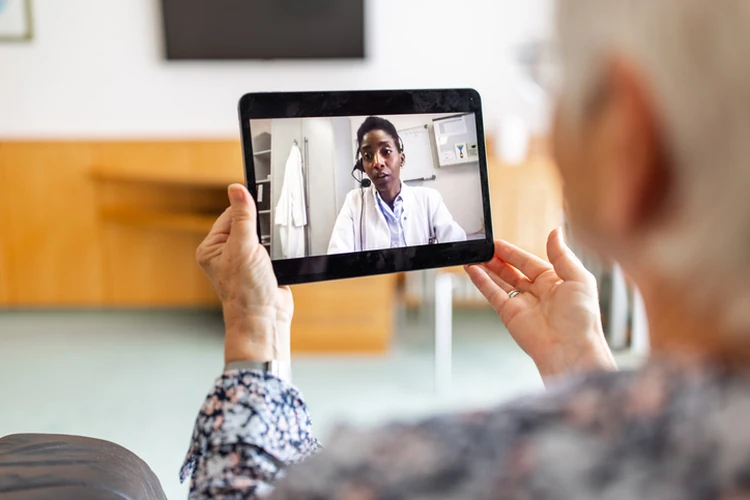
By signing up for a One Medical membership, consumers have the option of meeting with a health care provider either in person or via video chat or message. Telehealth services are available 24/7, and in-person appointments are typically made for the same day or within one day. 

“For decades, you called your doctor, made an appointment three or four weeks out, drove 15-20 minutes to the doctor, parked your car, signed in, and waited several minutes in reception, eventually were placed in an exam room, where you waited another 10-15 minutes before another doctor came in, saw you for five to 10 minutes and prescribed medicine, and then you drove 20 minutes to the pharmacy to pick it up – and that’s if you didn’t have to then go see a specialist for additional evaluation, where the process repeated and could take even longer for an appointment,” said Andy Jassy, Amazon CEO. 

“Customers want and deserve better, and that’s what One Medical has been working and innovating on for more than a decade. Together, we believe we can make the health care experience easier, faster, more personal, and more convenient for everyone,” Jassy said. 

What does the One Medical membership entail? 

With the new Amazon/One Medical partnership, the companies are offering patients an annual membership for $144. 

Members then gain access to the One Medical website or mobile app where they can get either asynchronous telehealth services, storing health information through a patient portal for a health care provider to review later, or on-demand 24/7 assistance through video chats or messaging. These services include: 

  • Access to vaccines and medical records

  • Reminders for referrals or follow-up care

  • “Treat Me Now” assessments for common health issues

  • Prescription renewals 

Members can also request in-person medical care, though One Medical will have to go through members’ insurance plans for that. 

With the membership, consumers can get access to physical and mental health professionals, as well as specialists, including sexual health, urgent care, and LGBTQIA+ services. The services can also be utilized to prevent illness, maintain wellness, or get care and treatment for chronic illnesses. 

For Amazon Prime members, there is currently no integration between Prime and One Medical. The two remain separate memberships, and adding One Medical would be an additional cost. 

Article Image

Amazon expanding Buy with Prime service by January 31

Though the holiday shopping rush may be over, Amazon says it is still working to make shopping easier and more convenient for Prime members.  

The company announced that it will expand its Buy with Prime service, which allows shoppers to make purchases with retailers outside of Amazon, while still getting many of the same perks of a Prime membership, like fast delivery and easy returns.

Amazon launched Buy with Prime on an invite-only basis in April 2022. It hand-picked select direct-to-consumer retailers to sell their products through the Prime platform. 

By the end of January, Buy with Prime will expand to feature any eligible retailer that signs up for the service. For shoppers, this means getting access to Prime membership benefits while having a wider reach of where they can shop. 

See Amazon reviews

With the expansion of Buy with Prime comes another feature that might benefit both sellers and consumers: Amazon reviews. 

Retailers will have the option of adding Amazon customer reviews on their own online stores. This can help shoppers feel more comfortable and confident in their purchases and might translate to more sales for merchants. 

Locking in more purchases 

While the expansion of Buy with Prime gives Prime members the opportunity to connect with new brands through a well-established source, the service can also benefit sellers. 

Amazon said it found that the Buy with Prime feature was effective at locking in 25% more sales for merchants. However, this figure is only an average, with some sellers seeing more or less than that number since utilizing Buy with Prime. 

As Amazon expands the service at the end of the month, Prime members will be exposed to even more new retailers while utilizing their Prime membership.