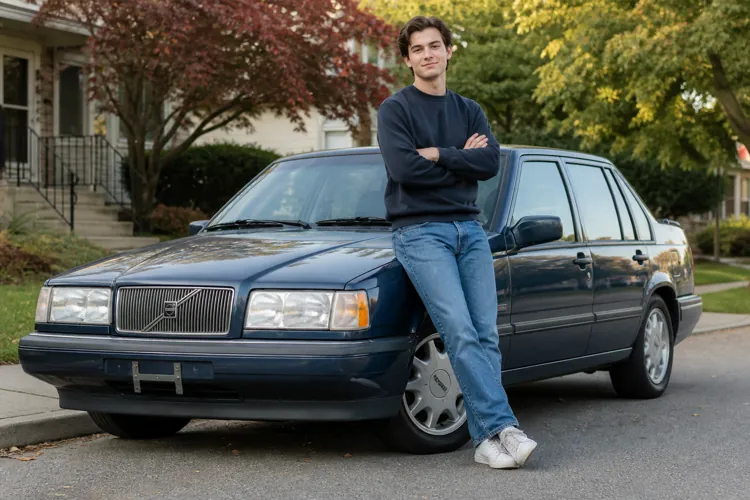

Gen Z is driving renewed interest in vinyl records, film cameras, vintage clothing, and classic cars.
Research suggests young consumers value physical ownership, tactile experiences, and products that convey individuality.
The trend represents a selective analog revival — not an abandonment of digital technology.
After growing up surrounded by smartphones, streaming services and social media, members of Generation Z are showing increasing enthusiasm for a decidedly different kind of consumer experience: one built around physical objects from the past.
Vinyl records, film cameras, vintage clothes, and classic cars are attracting young consumers who appear drawn to their permanence, distinctive character, and lack of digital polish. While Gen Z is not turning its back on technology, mounting evidence suggests that it is making room for analog products within an otherwise highly connected lifestyle.
The revival is particularly visible in music.
A survey commissioned by British music-packaging company Key Production found that 59% of people ages 18 to 24 listened to music on vinyl, CDs, or cassettes — the largest share of any surveyed age group. Separate research from the Vinyl Alliance found that 80% of surveyed Gen Z vinyl enthusiasts owned a record player, while 76% said they bought at least one record a month.
The attraction of vinyl
Young buyers cited several reasons for purchasing records, including the desire for a physical copy of their music and an opportunity to support favorite artists. For some, a vinyl collection also serves as a visible expression of identity and fandom.
Overall sales figures confirm that the physical-music revival is more than a social-media aesthetic. According to the Recording Industry Association of America, U.S. vinyl revenue rose 7% to $1.4 billion in 2024, marking an 18th consecutive year of growth. Americans bought 44 million vinyl albums that year, compared with 33 million CDs.
Streaming nevertheless remains the dominant way people consume music. Rather than replacing Spotify or other digital platforms, records increasingly function as collectibles — objects that offer artwork, ritual, and a sense of ownership unavailable through a subscription.
A similar dynamic is emerging in the automotive world.
Hagerty’s 2024 Future of Driving survey found that 60% of Gen Z respondents expressed an interest in owning a classic car, nearly twice the 31% reported among baby boomers, who might have a stronger nostalgic connection. The finding, also reported by Kelley Blue Book, challenges the assumption that younger adults have little interest in car culture.
That interest does not necessarily translate directly into purchases. Classic cars can be expensive to buy, maintain, and insure, particularly for younger consumers. Still, the survey indicates substantial enthusiasm for vehicles valued for their design, mechanical character, and history.
Vintage clothing provides more concrete evidence of changing purchasing behavior. ThredUp’s 2026 resale report projects that Gen Z and Millennials will account for more than 70% of secondhand-market growth through 2030.
Practical reasons
Nostalgia is only part of the appeal. Secondhand clothing can be less expensive than new merchandise, while also allowing shoppers to find distinctive items and reduce the environmental consequences of clothing production. Resale applications and social platforms have made finding older products nearly as convenient as buying new ones.
Film and instant photography have also gained visibility among younger users. Disposable cameras, Polaroid-style instant cameras, and secondhand 35-millimeter equipment offer results that contrast sharply with the clean, endlessly editable images produced by smartphones.
The waiting, imperfections, and limited number of exposures are often part of the attraction. A film photograph may feel singular in a world where digital images can be taken, filtered, copied and, discarded almost without limit.
Common motivations
Across these categories, several motivations appear repeatedly: tactile experience, genuine ownership, individuality, and relief from constant digital stimulation. Older objects can also provide a sense of discovery for consumers encountering them for the first time.
That makes the word “nostalgia” somewhat complicated. Members of Gen Z may feel an attachment to the styles of the 1980s, 1990s, or early 2000s despite having little or no personal memory of those periods. Their interest is better understood as reconstructed or imagined nostalgia — a vision of the past assembled through movies, family possessions, online archives, and social media.
The apparent contradiction is central to the trend. Gen Z often discovers analog products through digital channels. TikTok videos introduce viewers to film cameras; Instagram accounts display record collections; resale applications make vintage fashion searchable; and online communities teach prospective owners how to maintain old cars.