How Much Do Walk-In Tubs Cost?
Walk-in tub costs range from $3,000 to over $20,000

+2 more



You can expect to pay anywhere from $3,000 to $20,000 for a standard walk-in tub installed, depending on the scope of work. If you’re looking for all of the bells and whistles, purchasing a higher-end walk-in bathtub may cost in the range of $15,000 to $30,000.
This guide breaks down the cost factors, from the tub itself to installation, upgrades and hidden fees, so you can make the right choice the first time.
Walk-in tub prices vary by brand, tub type, features and add-ons. Installing the tub can often require plumbing and remodeling work, which increases the total cost.
Jump to insightLower-cost alternatives include buying used, installing a roll-in shower or modifying your current tub.
Jump to insightInsurance, including Medicare and Medicaid, doesn’t usually cover walk-in tubs. However, financing options, including payment plans and grants, can offset the cost.
Jump to insightWalk-in tubs cost breakdown
“So many people only think it's going to be going to the store and picking out a tub,” explained Travis Hargrave, owner of Hargrave’s Plumbing in Lafayette, Louisiana. “It's just not always that easy.” Oftentimes, it takes multiple trades — not just a plumber, but an electrician, sheet-rocker, painter and others, he added.
An in-home consultation is usually a free service that most walk-in tub companies offer. This can give you an accurate quote on the work that needs to be done, explained Eric Kozak, performance marketing leader at American Standard. “This service should be free of charge and takes about one hour to go through the scope of work and gather the dimensions that are needed to understand what types of products will fit into the bathroom and the work required to complete the installation.”
Walk-in tub cost factors
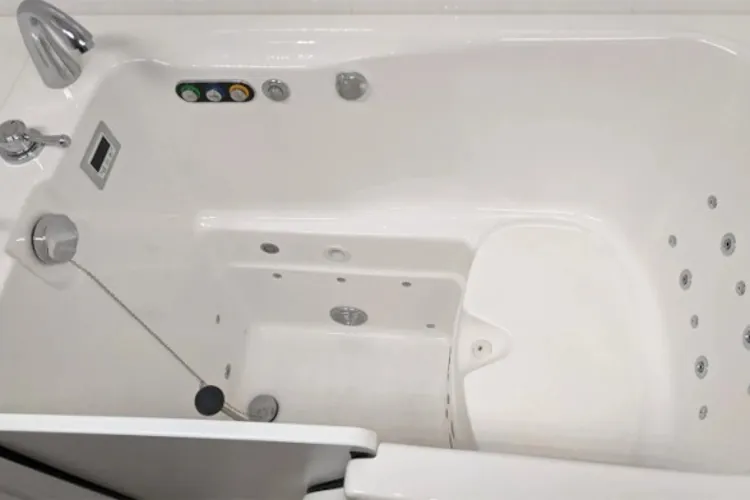
Below are common costs that can increase your total. Additional comfort features, such as massage jets and heated backrests, will add to the already high price tag for walk-in tubs.
- The tub unit price: $2,000 to $20,000 or more, from a basic soaker to a luxury tub
- Labor installation costs: $1,500 to $10,000, based on complexity
- Delivery and removal fees: $250 to $1,000
- Permits and inspections: $100 to $500
- Water heater upgrades: $800 to $3,000
- Wall repairs and new paint: $200 to $1,000 (adding on tile can come with a much larger price range than painting)
- Walk-in tub maintenance: $100 to $500 per year
Average cost by walk-in tub type
This chart gives an estimate of the breakdown of what you can expect to pay for your walk-in tub, based on the type of tub you get.
Costs by walk-in tub type
| Tub type | Typical price | Key features | Installation time | Best for |
|---|---|---|---|---|
| Soaker | $2,000 to $5,000 | Basic safety, no jets | 1 to 2 days | Budget, standard use |
| Hydrotherapy | $5,000 to $10,000 | Water/air jets, massage | 2 to 4 days | Arthritis, chronic pain relief |
| Bariatric | $6,000 to $12,000 | Wider, reinforced, higher capacity | 2 to 5 days | Higher weight capacity (users up to 600 pounds) |
| Luxury | $8,000 to $20,000+ | Heated seats, aromatherapy, lights | 3 to 5 days | Maximum comfort, high-end homes |
Installation and additional costs
More than just the sticker price, the installation and upgrades can easily double the total cost of a walk-in tub. And so-called “all-inclusive” quotes may hide extra fees for delivery, permits and the removal of your old tub.
Request and compare line-item quotes from at least three installers.
It’s a good idea to request a detailed, itemized quote from the installer. Some brands, like Kohler and American Standard, offer in-home consultations to identify all costs upfront. Some things, like permit and inspection fees, can delay installation if they aren’t received in advance.
“A walk-in bath is a more complex product than a standard bathtub, with components like motors, pumps, seals and heaters,” explained Neil Jochman, a senior manager with Kohler Services Sales & Call Center.
Potential water heater and plumbing upgrades
You’ll want to make sure your existing water heater can fill a 50- to 80-gallon tub. If your current water heater is less than 50 gallons, you may need an upgrade. This could cost $800 to $3,000. If your tub has multiple jets or a fast-fill feature, you’ll likely require a larger water heater.
Electrical or plumbing upgrades can cost $500 to $2,000.
“Flooring can affect drain access, waterproofing strategy, and the structural support of the tub. Tile over concrete is usually the easiest for plumbing work,” noted Shaylin King, owner of Mr. Rooter Plumbing of Tri-Cities in Pasco, Washington.
“Wood subfloors may require reinforcement to safely support the weight of the tub,” King added. If the bathroom subfloor has rotted or softened, it will need to be replaced before plumbing and installation can be completed.
Older homes may have galvanized or cast-iron pipes. These materials corrode over time and may need to be replaced. “The home may also have an outdated drain slope that doesn’t meet the modern drainage code,” said King. Electrical work or plumbing upgrades can cost $500 to $2,000.
If your bathroom layout is non-standard, expect higher costs. If your home has a slab foundation, plumbing reroutes may add $1,000 to $3,000.
New, used and alternative walk-in tub options
Jochman said that buying a used tub might save money up front, but there could be concerns with reliability in the long run.
New vs. used walk-in tubs
Used tubs can be easier for homeowners on a budget, but they can lack updated safety features like anti-scald valves and may void manufacturer warranties.
“There’s also the risk of leaks or mechanical failure with used products that could damage your home. New walk-in baths offer full manufacturer warranties, tested safety features, and the assurance that all components are in optimal condition,” said Jochman.
For a new walk-in tub, you can expect to pay about $3,000 to $20,000 or more. For a used walk-in tub, you can expect to pay about $1,000 to $5,000. If you go with a used walk-in tub, make sure you inspect it thoroughly.
Here are some things to keep in mind if buying a used walk-in tub:
- Inspect used tubs for cracks, leaks and missing parts.
- Confirm the manufacturer and model for parts availability.
- Ask for proof of age and usage history.
- Compare remaining warranty coverage.
- Confirm the tub hasn’t been modified or altered in ways that affect safety.
Walk-in tub alternatives: Other accessible bathing options
If you’re looking for an alternative to a walk-in tub, consider roll-in showers or modifying your standard tub. Below is a table comparing the three options by cost, installation timelines and major considerations.
A roll-in shower is different from a walk-in tub because it has a zero-threshold entry, but you can’t actually soak in it — it’s a shower only. Modifying your existing tub can include installing safety features such as grab bars and anti-slip surfaces.
| Tub options | Cost range | Installation timeline | Best for | Advantage | Disadvantage |
|---|---|---|---|---|---|
| Walk-in tub | $3,000 to $20,000+ | 1 to 5 days | Soaking | Safety and accessibility | Higher cost |
| Roll-in shower | $2,500 to $10,000 | 2 to 4 days | Wheelchair accessibility | Very accessible | No soaking option |
| Modified standard tub | $500 to $3,000 | As little as 1 day | Budget | Lowest cost | Limited accessibility |
Pro tip: Future-proof your bathroom
Choose the solution that accommodates a decline in mobility and reduces your risk for falls. If you use a wheelchair daily, a roll-in shower may be more practical. If you want full-body soaking and pain relief, a walk-in tub is a better choice.
» COMPARE: Walk-in tubs vs. walk-in showers
How to pay for a walk-in tub
You may be able to pay for a walk-in tub using insurance, including Medicare and private insurance, but coverage is rare. Financial assistance for walk-in tubs includes financing, payment plans and grants.
Medicare, Medicaid and other insurance
Walk-in tubs aren’t covered by insurance, including Medicaid, Medicare and private insurance. Medicare pays for durable medical equipment like wheelchairs and hospital beds, but this doesn’t extend to walk-in tubs.
You may qualify for some coverage if you have a Medicare Advantage plan, provided you have documentation of a health condition that deems a walk-in tub medically necessary.
Check with your state office about walk-in tub coverage if you have Medicaid, since programs vary by state.
Financing options, grants and discounts
Ask about zero-interest or deferred payment plans from reputable walk-in tub brands. Compare interest rates and total repayment plans. Always get all financing offers in writing — and avoid lenders who won’t provide clear terms.
Veterans might receive some assistance with home modifications, like walk-in tubs, through housing grants from the VA.
The U.S. Department of Agriculture’s (USDA) Home Repair Program may also be able to help with grants or loans if you have a lower income.
Ask about senior or military discounts.
Check with local nonprofits for home accessibility grants. Some community programs, like the Aging in Place program through Habitat for Humanity, are also an option to help offset some of the cost of a walk-in tub.
“When choosing a walk-in bath, it’s important to look beyond price and consider the long-term benefits,” said Jochman. “This is more than just a bathroom upgrade — it’s an investment. The right choice can help you age in place with confidence and even delay or avoid the need for assisted living.”
Did you know?
You may be eligible for home improvement loans through your bank or credit union. These loans can provide a way to finance the cost of a walk-in tub over time, often with lower interest rates compared to credit cards.
FAQ
Are there regional price differences for walk-in tubs and installation?
Yes, there are price differences that vary by region for walk-in tubs and installation. These price differences can include permits, brand, labor costs and cost of living. A major city can have higher labor costs than rural areas. Building codes and permit fees can vary by region.
Can I save money by buying a used walk-in tub, and what should I watch out for?
Yes, you can save money by buying a used walk-in tub. A used walk-in tub can cost about $1,000 to $5,000. But you might have to watch for wear and tear on the used tub, missing safety features, and possibly a warranty that is no longer active. But if you need a walk-in tub temporarily or are planning on selling your home, a used tub can be a good choice.
What are the hidden or unexpected costs when budgeting for a walk-in tub?
Some hidden or unexpected costs when budgeting for a walk-in tub include permit fees, delivery and removal of the old tub, sheetrocking and painting or tiling the new wall, and the annual maintenance of keeping your walk-in tub safe and functioning.
Is it safe or cost-effective to install a walk-in tub myself?
It’s generally not recommended to install a walk-in tub yourself. You may be able to save $1,000 to $3,000 or more if you want to put your handyman skills to use. But you may not get the full warranty of the tub, and you can risk not only leaks and potential injury, but also code violations. Professional walk-in tub installation protects your home and ensures the walk-in tub functions safely and correctly.
What is the difference between fiberglass and acrylic walk-in tubs?
Walk-in tubs made from fiberglass are typically more affordable than acrylic tubs. Fiberglass tubs are also usually easier and less expensive to install.
However, fiberglass tubs scratch more easily and tend to fade over time. If you’re looking for a more durable tub that will retain its appearance for a lifetime, acrylic is the better choice.
Does installing a walk-in tub increase home value?
Installing a walk-in tub may increase your home’s value by making it more appealing to seniors and individuals with disabilities. However, the demographics of your area play a huge role in determining how much (if at all) a walk-in tub will impact your home’s value.
For example, if your home is in an area with a large population of retirement-aged individuals, it’s more likely that a walk-in tub will boost your home’s price. On the other hand, if your home is in a college town, you’re unlikely to see a major return on investment.
» RELATED: Walk-in tub pros and cons
Bottom line: What is the average cost of a walk-in tub?
Walk-in tubs help older adults and others with mobility issues and disabilities continue to live independently in their homes. But they are a steep investment.
Special models, like bariatric tubs, designed for people who are larger, or combination (air and water jets) walk-in tubs, start closer to $12,000 and can cost up to $20,000 or more if you add a shower unit.
When shopping for a walk-in tub, consider how accessory upgrades and bathroom remodeling may impact the final price tag. We’ll walk you through all the factors that go into the cost of a walk-in bath to help make your decision.
Article sources
ConsumerAffairs writers primarily rely on government data, industry experts and original research from other reputable publications to inform their work. Specific sources for this article include:
- Medicare.gov, “Durable medical equipment (DME) coverage.” Accessed Jan. 20, 2026.
- Medicare.gov, “What Part B covers.” Accessed Jan. 20, 2026.
- U.S. Department of Veterans Affairs, “Disability housing grants for Veterans.” Accessed Jan. 20, 2026.
- National Council on Aging, “How Much Do Walk-In Tubs Cost?” Accessed Jan. 20, 2026.