

Vivint vs. ADT: Quick comparison
 |  | |
| Coverage |  |  |
|---|---|---|
| Plan | ||
| Starting equipment cost | $199.99 | $199 |
| Starting monitoring fee | $24.99/month | $34.99/month |
| Contract terms | 36 to 60 months | 36 months |
| Trial period | None | 6 months |
| Installation | Professional | Professional or DIY |
| Camera options | Indoor, outdoor and doorbell | Indoor, outdoor, doorbell and floodlight |
| Home automation | | |
| Monitoring options | Professional | Professional or DIY |
| Availability | Nationwide | Nationwide |
| iOS rating | 4.6 | 4.8 |
| Android rating | 4.3 | 4.7 |
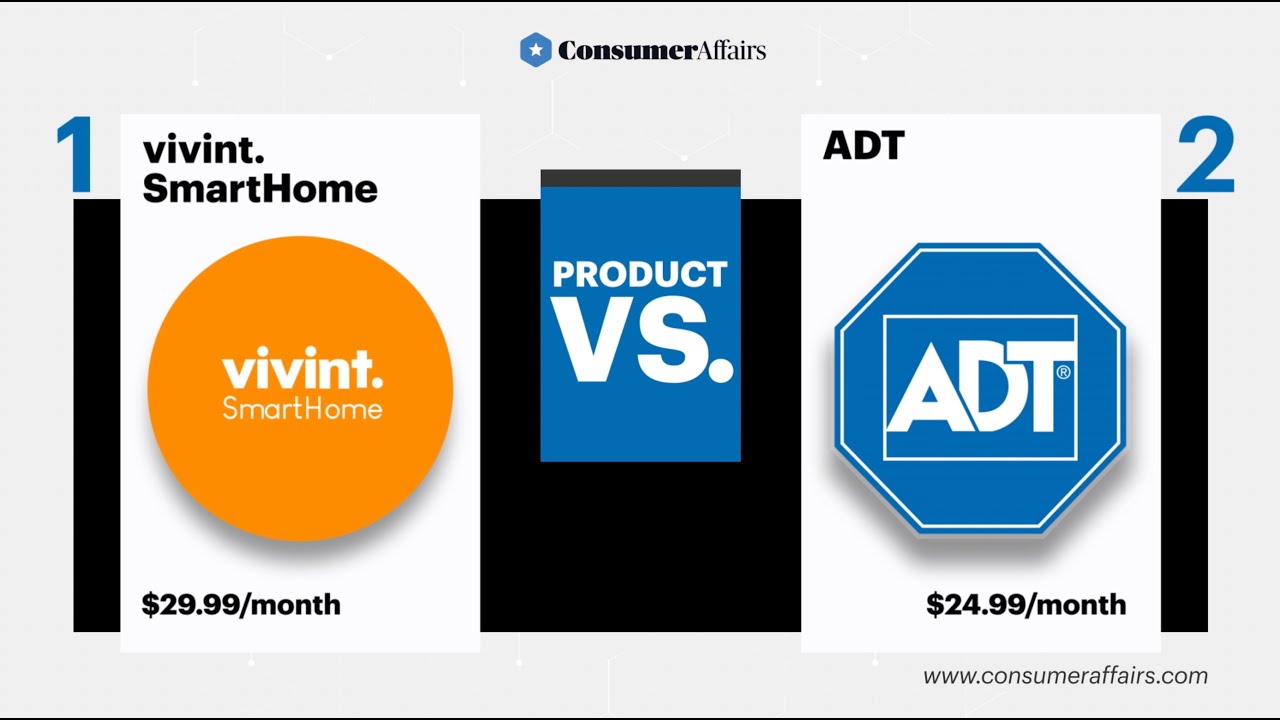
Vivint vs. ADT: What's the difference?
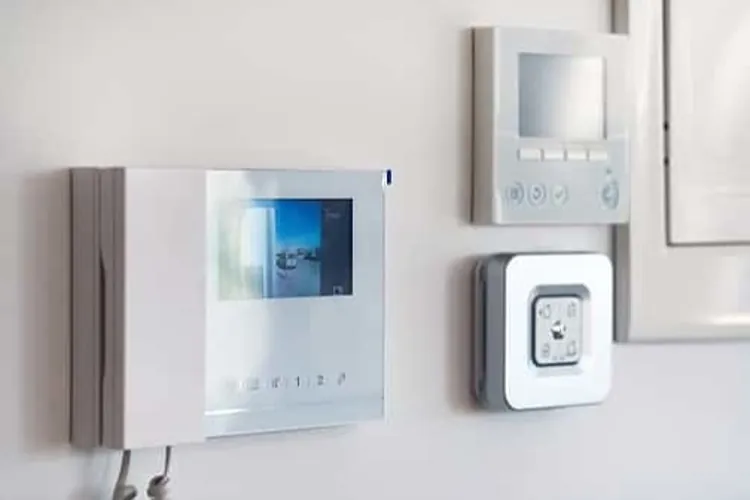
Vivint is a full-service smart home security provider built around professionally installed, high-end proprietary equipment. Its systems can include cameras, smart thermostats and voice assistant integration with Amazon Echo and Google Assistant, all managed through a single platform.
ADT takes a "set-it-and-forget it" approach: A certified technician installs everything, and round-the-clock professional monitoring handles the rest. With more than 140 years in the industry, ADT pairs its long operating history with Google Nest integration for added smart home capability.
What we like about Vivint
- Proprietary technology: Vivint controls its entire technology stack, which includes unique smart locks and outdoor cameras capable of intelligent person detection.
- Proactive security: The Smart Hub uses on-device analytics to intervene before an alarm triggers — for example, by emitting an audible warning toward anyone loitering outside.
- Unified control: The Smart Hub consolidates security, lighting, locks and temperature into a single touchscreen interface, making whole-home automation genuinely practical.
What to consider: Equipment costs are the biggest hurdle — fully outfitted systems can run past $2,000. Vivint also ties financed customers to contracts as long as 60 months, which is among the lengthiest commitments in the industry.
What we like about ADT
Service guarantees: ADT backs its service with a theft protection guarantee that pays your insurance deductible up to $500 if there's a burglary while your alarm is armed. The company also offers a six-month money-back guarantee trial period if you are not satisfied with your service.
Smart integration: Its platform connects with Google Nest cameras, doorbells and smart locks, unlocking features like facial recognition.
What to consider: The three-year contract is a significant commitment, and ADT's equipment costs run higher than most DIY alternatives.
Vivint vs. ADT: System and installation
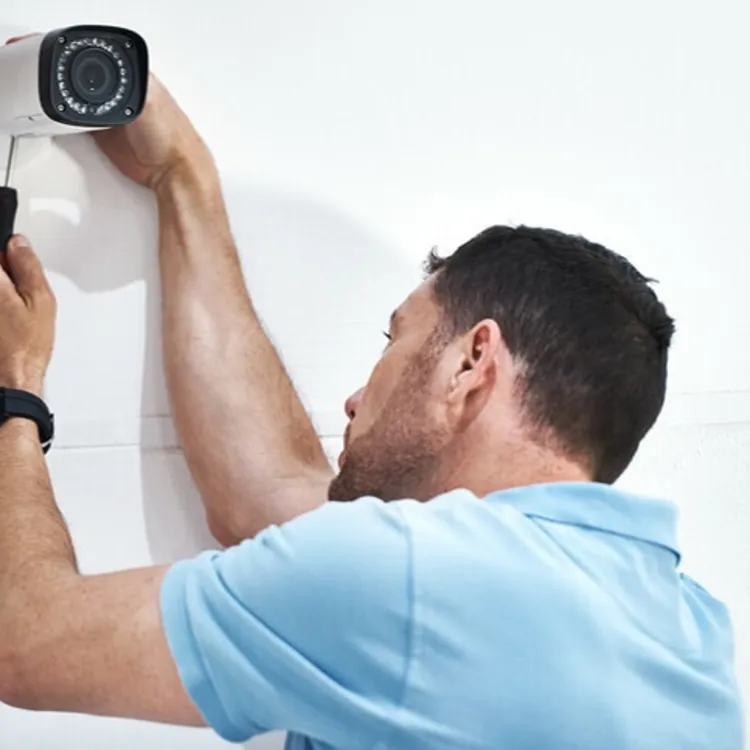
Both Vivint and ADT require professional installation — here's what to expect from each provider before your system goes live.
Vivint system and installation
System type: Vivint relies on wireless equipment anchored by the Vivint Smart Hub, a touchscreen control panel that serves as the brain of the entire system.
Installation options: Every installation is handled by a Vivint Smart Home Pro — there is no self-install path. Fees typically fall between $99 and $199, though they are frequently waived with promotional offers or higher-tier packages.
Vivint equipment costs
Starter packages begin around $599, but fully customized systems with multiple cameras can push well past $2,000. Customers can pay upfront or spread costs over 42- or 60-month financing terms.
ADT system and installation
System type: ADT uses wireless equipment that communicates over cellular networks. Every plan includes professional monitoring as a standard feature.
Installation options: A certified ADT technician handles the full setup, with fees typically ranging from $99 to $199 — often waived during promotional periods.
ADT equipment costs
ADT packages start at $599 and can exceed $1,500, depending on the number and type of devices. Equipment costs can be financed across the contract term.
Vivint vs. ADT: Monitoring plan costs
Both companies provide around-the-clock professional monitoring, though their plan structures and pricing tiers differ in meaningful ways.
Note that ADT's monitoring stands apart from other home security companies, with six redundant monitoring centers across the country. This keeps ADT's centers up and running even during storms, power outages and more, and helps ADT respond in an average of 10 seconds.
Vivint also provides 24/7 monitoring but with a less robust network of monitoring centers than ADT.
| | |
| Coverage | | |
|---|---|---|
| Plan | ||
| Monitoring price range | $24.99 to $59.99/month | Starts at $34.99/month |
| Monitoring options | Professional | Professional or DIY |
| Self-monitoring | | |
| Upgraded self-monitoring | Not offered | Available |
| 24/7 professional monitoring | $24.99/month | Starts at $34.99/month |
| Upgraded professional monitoring | $59.99/month | Starts at $49.99/month |
Vivint monitoring plans
- Smart Security: Starts at $29.99 per month and covers sensor-based monitoring without cameras.
- Smart Home Video: Starts at around $44.99 per month, with cloud video storage adding approximately $5 per camera each month.
Contract commitment: Customers who finance equipment — the majority of Vivint buyers — sign a 42- or 60-month agreement. Those who pay for all equipment upfront can opt for a month-to-month service arrangement instead.
ADT monitoring plans
- Secure Plan: Priced from $28.99 to $34.99 per month, covering burglary, fire and carbon monoxide monitoring.
- Smart Plan: Priced from $39.99 to $44.99 per month, adding smart home automation features and remote app control.
- Complete Plan: Priced from $49.99 to $59.99 per month, including cloud video storage, video verification for cameras and doorbells and Google Nest-powered smart home automation.
Contract commitment: ADT locks most customers into a 36-month agreement. California residents can opt for a 24-month term. Early cancellation triggers a fee equal to 75% of the remaining contract balance.
» COMPARE: Vivint vs. Frontpoint
Vivint vs. ADT: Equipment and technology
Vivint's proprietary tech ecosystem goes deep on smart home automation, while ADT's broader catalog gives customers more flexibility in how they build out their system.
| | |
| Coverage | | |
|---|---|---|
| Plan | ||
| Wired or wireless? | Wireless | Wireless |
| Camera options | Indoor, outdoor and doorbell | Indoor, outdoor, doorbell and floodlight |
| Video doorbell | | |
| Control panel | | |
| Motion sensor | | |
| Entry sensor | | |
| Glass break sensor | | |
| Keychain remote | | |
| Siren | | |
| Panic button | | |
| Yard sign | | |
| Smart locks | | |
| Smart lights | | |
| Smart thermostat | | |
| Garage door control | | |
| Temperature sensor | | |
| Water sensor | | |
| Smoke detector | | |
| CO detector | | |
| Mobile app | | |
| Mobile app monitoring | | |
| iOS rating | 4.6 | 4.8 |
| Android rating | 4.3 | 4.7 |
| Notification/alert options | Email, text and push | Email, text and push |
| Home automation capabilities | | |
| Voice integration | | |
| Amazon Alexa | | |
| Google Home | | |
Reputation on ConsumerAffairs


Bottom line: Vivint or ADT
Choose Vivint if you want a custom-designed system with cutting-edge technology and don't mind paying premium prices — it delivers excellent equipment and white-glove service, but financing means committing to a long contract. If you're budget-conscious or want DIY flexibility, a lower-cost provider will serve you better.
Choose ADT if you want hands-off, reliable security and are comfortable signing a long-term contract. The cost runs higher than DIY systems, but you're paying for a well-established monitoring infrastructure and a track record stretching back more than 140 years. If flexibility and lower upfront costs are priorities, DIY options are worth exploring.
» MORE: SimpliSafe vs. ADT