


Compare our picks for smart home security systems
To choose our top picks, we compared several company features, including cost, monitoring options and contract terms. We also looked at ratings from customer reviews on ConsumerAffairs, consulted security experts and performed hands-on testing. All prices are accurate as of April 20, 2026.
| Company | Starting monthly monitoring fee | Month-to-month option | Money-back guarantee | |
|---|---|---|---|---|
 ADT | Get a Quote | $24.99 per month |  | |
 Vivint | Get a Quote | $24.99 per month | | |
 Link Interactive | Learn More | $30.99 per month | | |
 Abode | Learn More | $9.99 | |  |

- Installation
- Professional or DIY
- Works with
- Alexa, Google Home and Samsung devices
Partner Disclosure
ADT disclosure
Theft Protection Guarantee: Customer may receive reimbursement of up to five hundred dollars ($500) of Customer’s homeowner’s insurance deductible (if any) if, and only if, ALL requirements for Theft Protection Guarantee are met to ADT’s reasonable satisfaction. Requires purchase and continual monthly payment of professional monitoring from the time of original activation to be eligible. Customer must request reimbursement within 60 days of property loss. Request must be mailed to ADT and include: Theft Protection Guarantee certificate signed by Customer, a letter from Customer requesting reimbursement, a copy of the police report, and a copy of the accepted insurance claim. ADT reserves the right to reject any application for reimbursement that does not comply with all of the requirements.
ADT Money-Back Guarantee: Money-back guarantee only applies after ADT has made attempts to resolve a system-related issue and has not been able to resolve that issue within the first six (6) months of your original activation. Requires purchase and continual monthly payment of both QSP (Quality Service Plan, ADT’s extended limited warranty) and professional monitoring from the time of original activation. ADT Money-Back Guarantee is not transferable. Equipment must be returned before a refund will be processed. Conditions preventing normal system operation cannot be caused by the customer.

- Installation
- Professional
- Works with
- Google Home, Amazon Echo and Nest
- Installation
- DIY installation
- Works with
- Z-Wave Plus

- Installation
- Pro and DIY installation
- Works with
- Amazon Alexa, Google Assistant and Apple HomeKit
How smart security systems work
A security system is typically called “smart” if it can be controlled with an app. Since most security systems have apps now, we’re using the term to refer to systems that work with smart devices and voice assistants. Here are some features of smart security systems:
Voice assistants
Smart security systems integrate with voice assistants and other smart devices.
Many smart security systems work with voice assistants like Amazon Alexa, Google Assistant and Apple’s Siri. This lets you arm and disarm the system with voice controls or check on the system’s status. Setting up your system with your favorite assistant is usually as easy as asking since the voice assistant can walk you through the process.
Security PINs
Allowing a voice to disarm a security system can be dangerous — imagine if a burglar could tell Alexa to disarm the security system when they’re breaking in. That’s why verbal disarm commands require a security personal identification number (PIN) for added protection.
Home automation
Some more advanced security systems let you link to other smart devices in your home to create home automations. The best systems allow you to do all this in the security app rather than opening multiple apps to control your system and various smart devices.
» MORE: How to deter burglars
Pros and cons of smart security systems
A smart security system has many advantages and disadvantages.
Pros
- Arm and disarm with voice commands
- Can set up home automation
- App integration
Cons
- Upfront and ongoing costs
- System can disconnect
» MORE: Best DIY home security cameras
What to look for in a smart security system
When you’re deciding on a smart system, there are a few things to remember. Ask yourself the following as you shop:
How smart does your system need to be?
Consider if you only want your security features to be automated or if you want your whole house to be connected. This could include connecting to thermostats, smoke alarms or lights in addition to security cameras, sensors or door locks.
Many smart home security systems have smart devices that can be added to your package. Some typical offerings include:
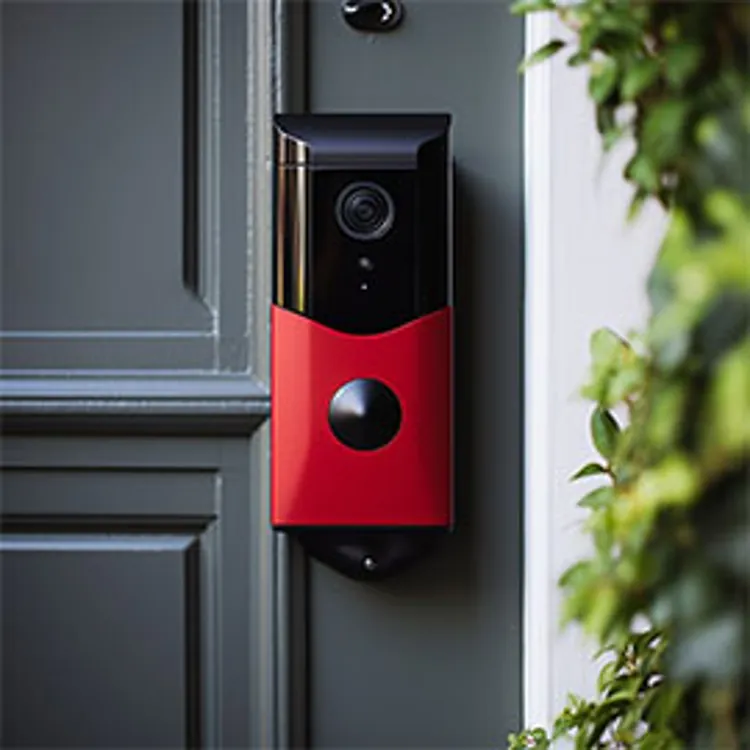
- Video doorbells: These let you see and speak to anyone at your front door through your smartphone or smart hub.
- Smart lights: Smart lights can be motion detection lights or indoor or outdoor lights that you can schedule to turn off and on at different times.
- Smart locks: These are keyless locks (though many provide a keypad and a key option) that can be locked or unlocked via your smartphone or your home system. Some can notify you (or lock automatically) if a door is left unlocked when it normally isn’t.
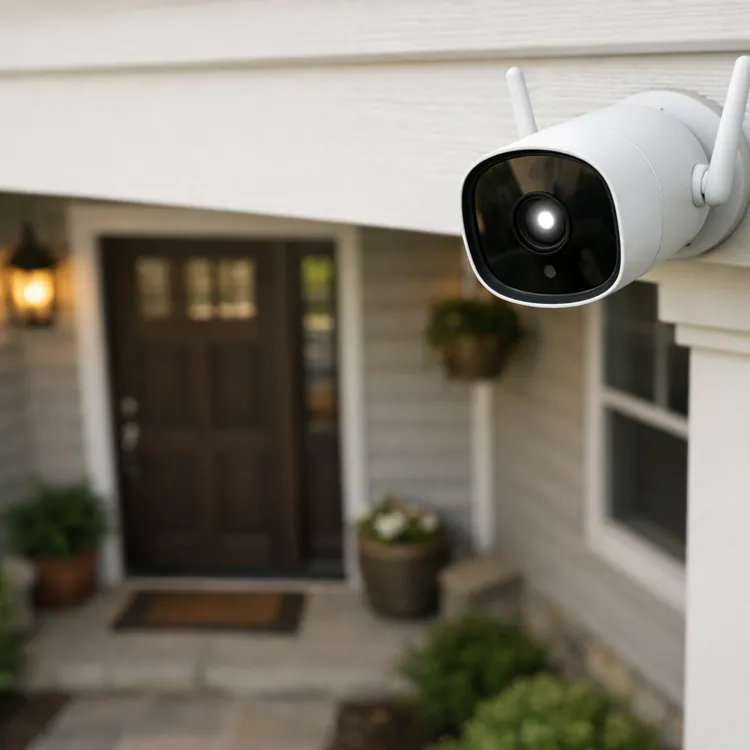
- Smart security cameras: Many smart camera options are available, including doorbells, floodlights, spotlights and wired and wireless indoor and outdoor cameras. These can all be monitored through your smart system.
- Smart thermostats: These thermostats allow you to program and adjust your home’s heating and cooling from your smartphone.
- Smart speakers: Smart speakers are placed in different areas of your home and can alert you if an alarm or motion sensor has been triggered. They can also be used for voice commands.
- Smart plugs: Smart plugs are devices that plug into a standard wall socket to automate home electronics. You can then control them through your alarm system.
- Smart smoke detectors or environmental detectors: These devices set off an alarm when they detect smoke, carbon monoxide, flooding, glass breaking or heat. They can alert you (or emergency services) when something has been detected.
Do you need a voice assistant?
If you're currently using Amazon Alexa or Echo, Google Nest or Apple’s Siri, make sure your new system is compatible. Some more advanced home automation services, like IFTTT, Z-Wave and Zigbee, don’t work with all home security systems. It's also important to consider whether you need a system that works on a landline or if you're set up to go wireless.
I like a system that can use my smart speaker as the hub. [...] I like being able to centralize control and convenience as much as possible. And bonus points if I can use just one mobile app to control everything.”
“I like a system that can use my smart speaker as the hub,” said Rebecca Edwards, a security expert at SafeWise. “I have both Google Assistant and Amazon Alexa speakers, so I like any smart device — security system or otherwise — that lets me use one of those as the hub. I like being able to centralize control and convenience as much as possible. And bonus points if I can use just one mobile app to control everything.”
Installation: Pro or DIY?
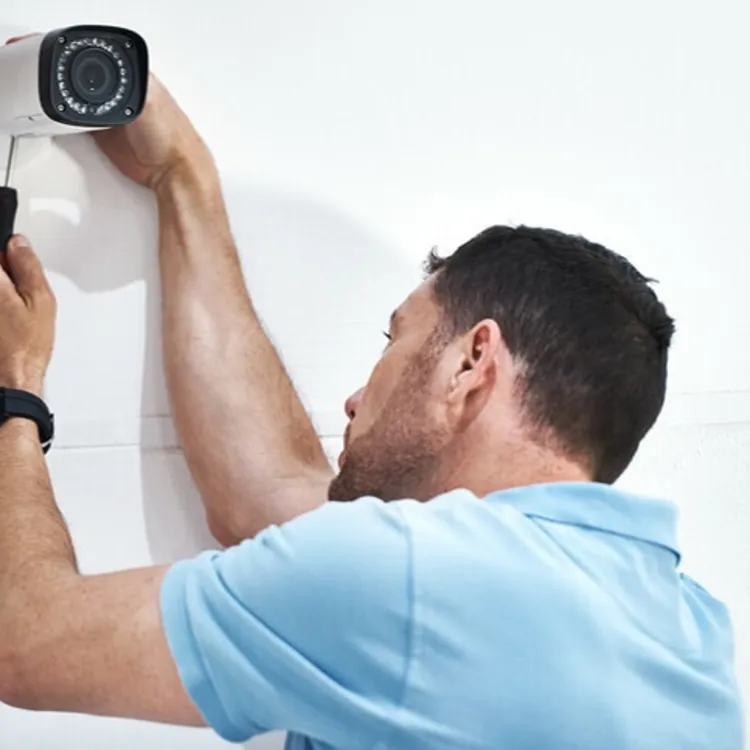
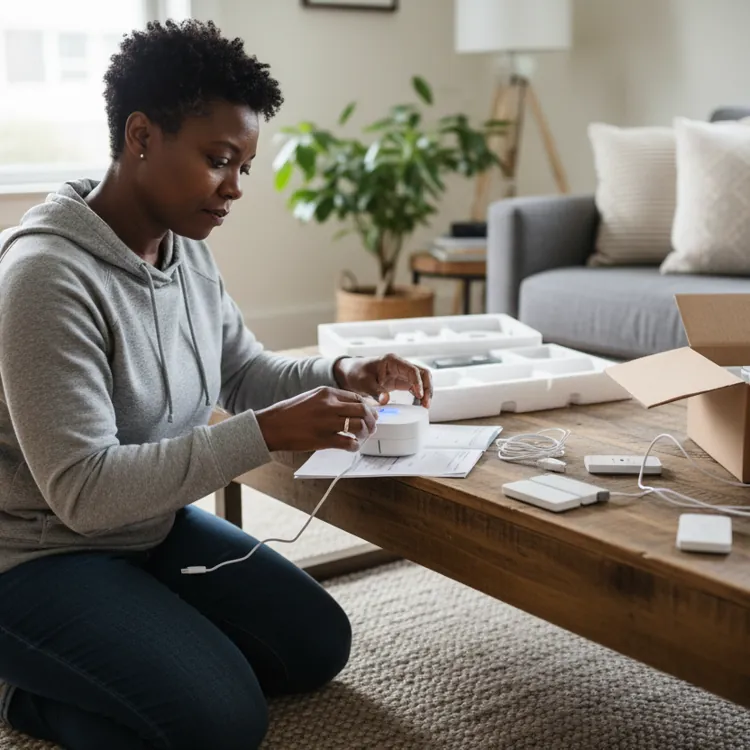
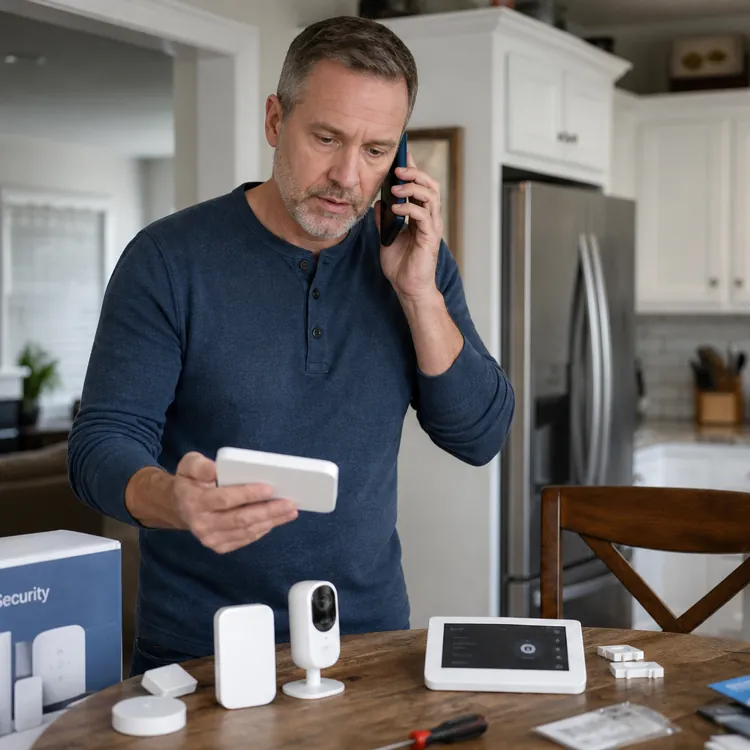
Both self-installed and professionally installed systems on our list offer top-of-the-line smart technology, so this depends more on your comfort level. Do-it-yourself systems are designed to be installed by the average person, but you may feel more comfortable having a professional walk you through all the features.
DIY systems also tend to work better in smaller homes or apartments, though professionally installed systems might be preferable for larger properties.
» MORE: Security system installation: DIY versus professional
Article sources
ConsumerAffairs writers primarily rely on government data, industry experts and original research from other reputable publications to inform their work. Specific sources for this article include:
- Federal Trade Commission, “How To Avoid Scams When You Shop for a Home Security System.” Accessed April 20, 2026.