
Home warranty sprinkler system coverage
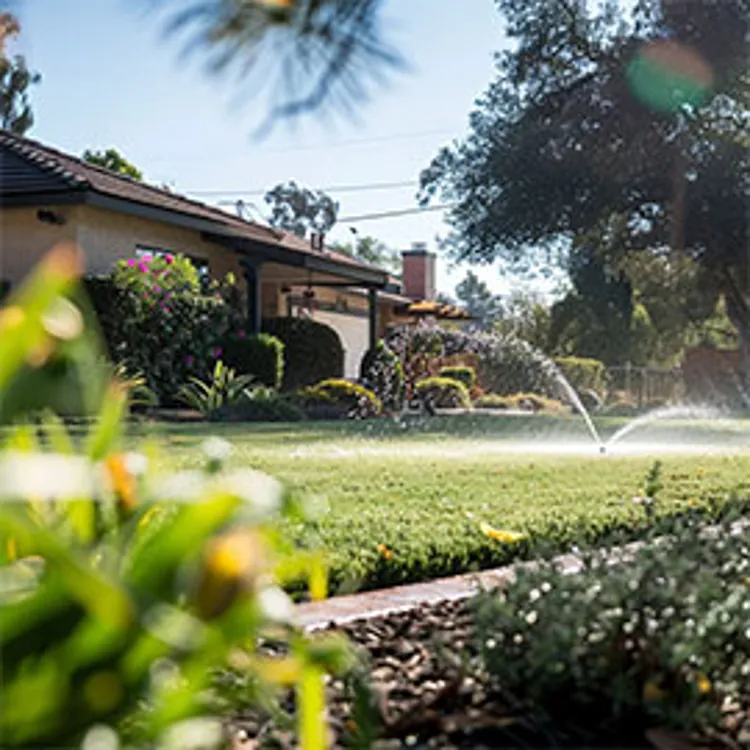
Home warranty coverage for sprinkler systems can vary depending on the company and your specific plan. Generally, a home warranty may cover repairs or replacements for certain components of your sprinkler system, such as:
- Sprinkler heads
- Valves
- Waterlines
- Control panel or timer
- Electrical components
- Low water pressure
What does a home warranty typically cover?
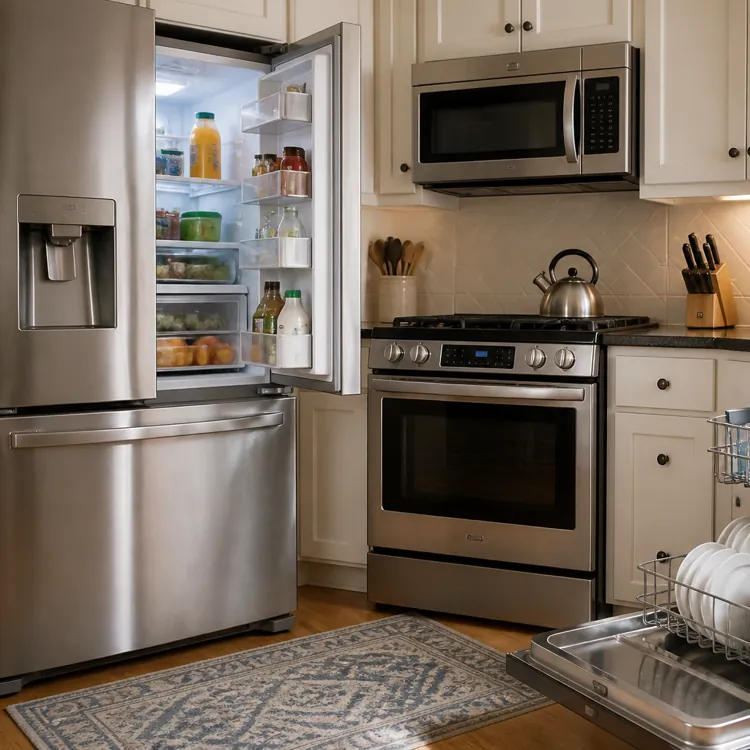
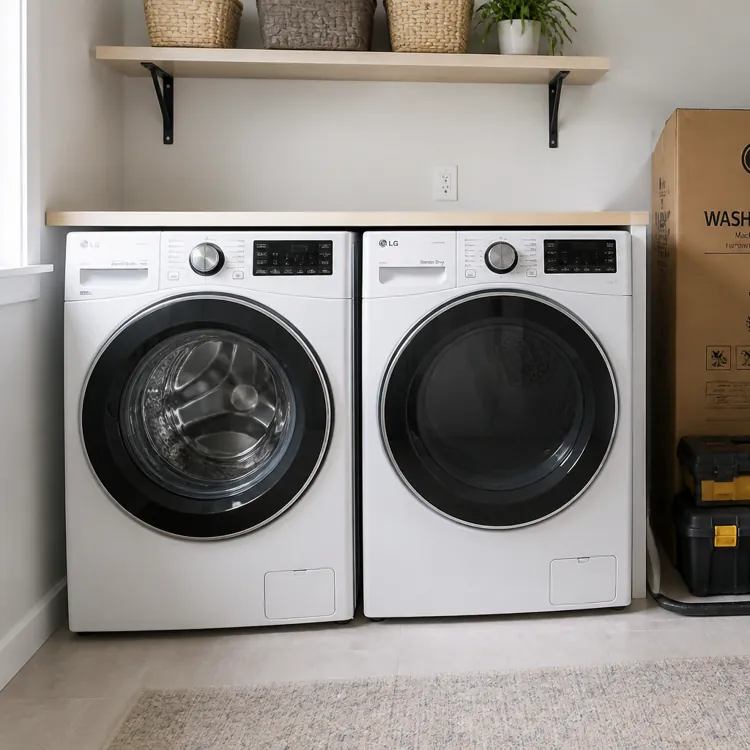
Home warranties usually cover large appliances, built-in microwaves, water heaters and systems like HVACs, plumbing, ductwork, pool heaters and well pumps. Some plans also cover additional items like pest control, septic systems, central vacuums, sump pumps and more.
Sprinkler system warranty coverage exclusions
Reviewing your specific home warranty contract to understand the exact coverage provided for your sprinkler system and any limitations or exclusions that may apply is important. Most home warranty companies have stipulations that can get a sprinkler claim denied, including:
- Damage caused by acts of nature
- Damage that isn’t due to normal wear and tear (like running over a sprinkler head with the lawn mower)
- Unauthorized repairs
- Sprinklers under a warranty provided by the manufacturer or installer
- Improper installation
- Cosmetic damage
- Preexisting conditions
Coverage caps
Your plan also may have a coverage cap for sprinkler systems. This means the home warranty company will cover repairs up to a certain amount. Once that amount is reached, you have to pay for the rest.
Home warranty claim process for sprinkler system repairs
If you need to file a claim for your sprinkler system, it’s important to understand the process to avoid delays and increase your chances of approval. Here are the typical steps:
- Review your policy: Read through your home warranty contract to confirm your sprinkler system is covered and check for any exclusions or coverage caps.
- Identify the problem: Document the issue, including photos or videos of the damage or malfunction.
- Contact your warranty provider: Call or log in to your home warranty provider’s online portal to report the problem and file a claim.
- Schedule a service visit: The warranty company will assign a technician to inspect and diagnose the issue.
- Get an estimate: The technician will provide an estimate for repairs, which the warranty company will review.
- Approval and repair: If the claim is approved, the technician will complete the repair, and you will be responsible for any service fees or costs beyond the coverage limit.
- Follow up: Keep all receipts and communication in case of disputes or future claims.
What to do if your home warranty doesn’t cover sprinkler systems
If your home warranty doesn't cover sprinkler systems, there are several steps you can take:
- Manufacturer's warranty: See if your sprinkler system is still covered under the manufacturer's warranty. If so, contact the manufacturer to inquire about repair or replacement options.
- Homeowners insurance: Check if your homeowners insurance policy covers sprinkler systems for certain types of damage, such as vandalism or natural disasters. If the issue is covered, file a claim with your insurance provider.
- Upgrade: Your home warranty company may offer sprinkler system repair as an add-on to your package. Contact it to find out.
- Switch: If your home warranty doesn’t offer sprinkler protection, go with one that does, like Liberty Home Guard or Choice Home Warranty.
Choosing a home warranty for sprinkler system coverage
If you want sprinkler system coverage included in your home warranty plan, it’s important to choose the right provider and package. Here are some key factors to consider:
- Availability of add-on coverage: Make sure the company offers sprinkler system coverage as an optional add-on if it’s not part of the standard plan.
- Coverage details: Review exactly what components of the sprinkler system are included, such as heads, valves, waterlines and control panels.
- Exclusions and limitations: Understand what isn’t covered, such as damage from improper installation or acts of nature.
- Coverage caps: Check if there is a maximum payout for sprinkler repairs and make sure it aligns with potential repair costs.
- Cost of add-on: Compare the extra fee for sprinkler coverage to see if it fits within your budget.
- Reputation and reviews: Research customer reviews and ratings to ensure the provider is reliable and responsive when handling claims.
- Bundled options: See if the warranty provider offers bundles that include other systems or appliances you need protection for.
FAQ
Does a home warranty cover low water pressure?
Home warranty plans often cover plumbing and sometimes sprinkler systems. Low water pressure is a typical problem fixed through these coverages.
Does a home warranty cover existing problems?
Home warranties usually only cover problems that happen after the policy term starts.
Are sprinkler systems included in standard home warranty plans or only as add-ons?
Sprinkler systems are rarely included in standard home warranty plans. Most providers offer coverage for sprinkler systems as an optional add-on, not as part of the basic plan. It is common for this coverage to be available only if you specifically request and pay for it. Always check with the home warranty provider to confirm whether sprinkler system coverage is available and whether it requires an additional fee.
Bottom line
While some home warranty companies cover sprinkler systems, it’s important to look over the contract before signing up. Some limitations could make the plan less useful for your home’s particular needs.