
Key insights
Most home warranty companies cover sump pump replacement and repair.
Jump to insightYou may need to upgrade your package or get sump pump coverage as an add-on.
Jump to insightThere are limitations and exclusions in your contract that could get your claim denied.
Jump to insightHome warranty sump pump coverage
Many home warranty companies offer sump pump coverage. If it isn’t included in the base package, it can usually be found in higher-tier packages or as an add-on. Home warranty coverage typically includes the repair and replacement of sump pumps, including labor.
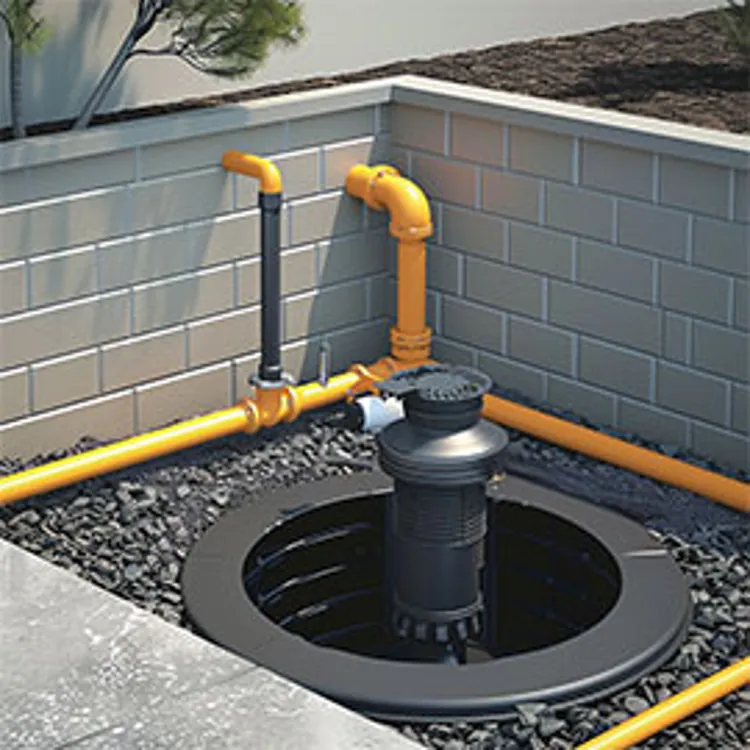
Home warranties typically cover repairs or replacements for specific types of sump pumps, but coverage can vary. Understanding your sump pump type is key:
- Pedestal sump pumps: These have a motor mounted above the sump pit and are commonly covered, since they are standard in many homes.
- Submersible sump pumps: Located inside the sump pit and submerged in water, these are also usually covered. Many plans include both pedestal and submersible models.
- Battery backup pumps: These provide extra protection during power outages. Some home warranties may cover the main pump but exclude battery backup systems, or limit coverage to mechanical failures only.
- Water-powered sump pumps: These use your home's water supply during power loss. Coverage for water-powered models is less common and may be excluded due to their unique installation and operation.
- Portable sump pumps: These are not permanently installed and are generally excluded, as most plans focus on built-in home systems.
Be aware, though, that companies differ on what sump pump coverage they offer. Some may not cover sump pumps over a certain age limit or specific types. For example, some companies will only cover groundwater sump pumps.
To determine your coverage, check your home warranty contract for specific inclusions and exclusions. Most plans cover standard, permanently installed pumps, but may not extend to backup or specialized units.
What does a home warranty typically cover?
A home warranty is a service contract that helps cover the cost of repairing or replacing major systems and appliances in your home when they break down due to normal wear and tear. It's important to have a home warranty because it can save you from unexpected, costly repairs and provide peace of mind knowing that essential items in your home are protected.
Most common things covered under a home warranty include:
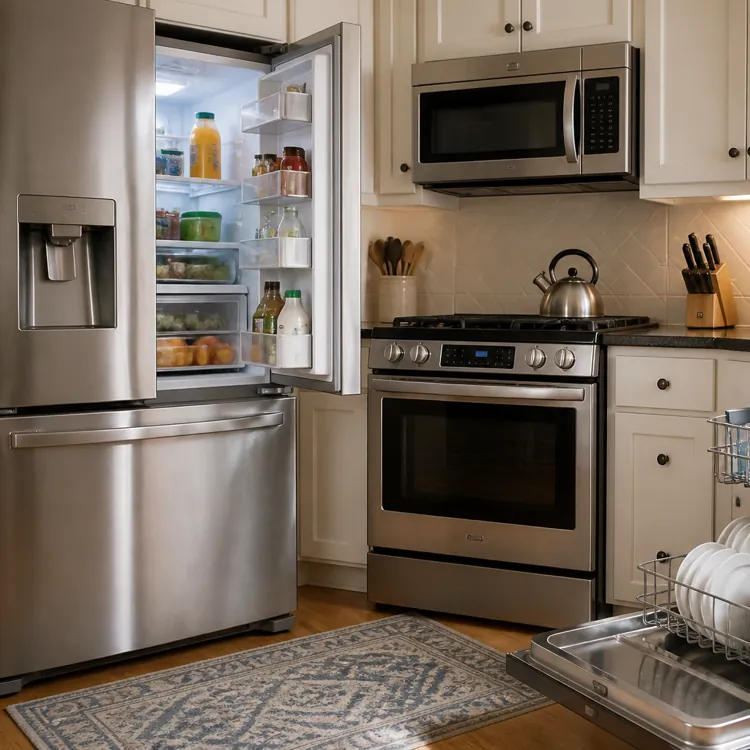
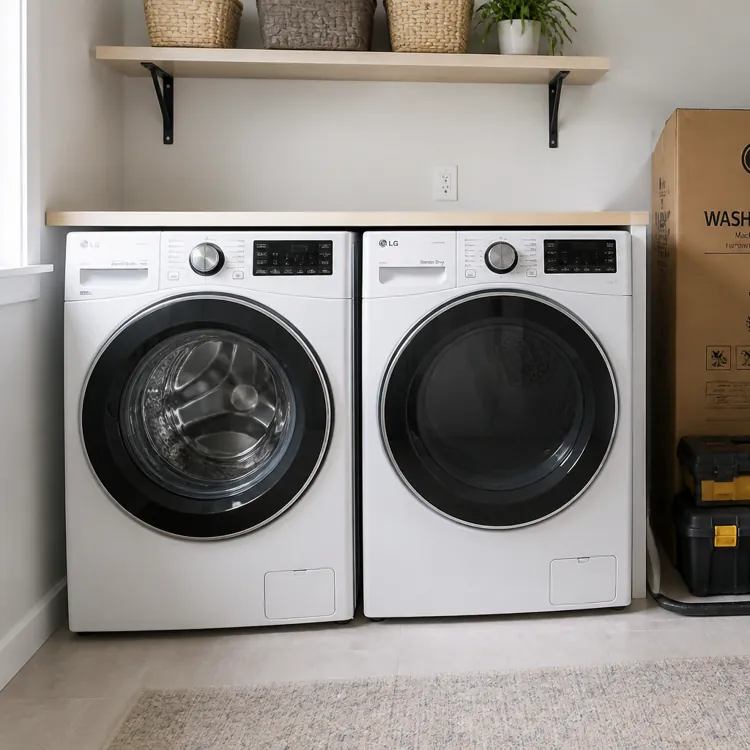
- Major appliances like refrigerators, ovens and dishwashers
- Built-in microwaves
- Water heaters
- HVAC systems
- Plumbing systems and fixtures
- Ductwork
- Pool heaters and equipment
- Well pumps
- Electrical systems
- Additional items such as pest control, septic systems, central vacuums and sump pumps
Sump pump warranty coverage exclusions
In addition to age and type, your home warranty contract will have other limitations and exclusions. Here are some things that may get your claim denied:
- The sump pump was damaged by something other than normal wear and tear.
- Your sump pump wasn’t installed properly.
- You haven’t properly maintained your sump pump.
- A manufacturer’s warranty already covers your sump pump.
- Your sump pump is located outside of the home or in a crawl space.
- Your sump pump is a portable or non-hard, piped-installed unit.
- The problem is due to backup power assemblies.
Your sump pump may also have a coverage cap in your policy. This means your home warranty company will only pay up to a certain amount to repair or replace your sump pump. Anything left over will be your responsibility to pay.
Home warranty claim process for sump pumps
If your sump pump stops working and you have a home warranty, following the right process can help you get it repaired or replaced quickly. Here are the typical steps for filing a claim:
- Review your policy: Check your contract to confirm sump pump coverage and any special terms.
- Contact your provider: Call your home warranty company or use their online portal to start a claim as soon as you notice a problem.
- Provide details: Be ready to describe the issue and share details like the make, model and age of your sump pump. Some providers may also request proof of regular maintenance.
- Submit documentation: Keep records such as your warranty contract, service receipts and maintenance logs handy. These may be needed to support your claim.
- Schedule an inspection: The company will usually send a technician to inspect the sump pump and see if the issue is covered.
- Approval and repair or replacement: If the claim is approved, the provider will arrange for repair or replacement. You may need to pay a service call fee as outlined in your contract.
Most providers respond within 24 to 48 hours after you file a claim, but the total process may vary depending on technician availability.
What to do if your home warranty doesn’t cover sump pumps
It’s pretty unlikely that your home warranty company doesn’t cover sump pumps. You may just need to upgrade to a higher package or get coverage as an add-on, increasing your home warranty costs. So, you’ll need to weigh the coverage you get with the potential repair or replacement costs to see if adding to your home warranty is worth it.
Choosing a home warranty for sump pump coverage
When selecting a home warranty plan, it’s important to choose one that provides reliable sump pump coverage. Consider the following when making your decision:
- Coverage level: Review what each plan includes and make sure sump pump repair or replacement is explicitly listed.
- Cost vs. benefit: Compare the premium and service call fees against the potential cost of sump pump repairs or replacement.
- Exclusions and limitations: Carefully read the fine print to understand what might void coverage, such as improper installation or lack of maintenance.
- Provider reputation: Research customer reviews and ratings to find a company known for quick response times and fair claims handling.
- Add-ons and upgrades: If sump pump coverage isn’t included in the base plan, see if it can be added as an optional feature.



FAQ
Does homeowners insurance cover a sump pump?
Typically, homeowners insurance will cover damage from flooding (if you have flood insurance) but doesn’t cover the sump pump. Check with your insurance company to see exactly what your policy covers.
What is the life expectancy of a sump pump?
Sump pumps can last around seven to 10 years with proper maintenance.
What maintenance is required for sump pump coverage?
Most providers require proof of regular maintenance and proper care for your sump pump. Common requirements include:
- Annual inspection by a licensed plumber or technician
- Cleaning the pit and pump intake yearly
- Testing the pump every few months
- Checking the discharge line for obstructions
- Keeping records like receipts and inspection reports
Review your specific policy for any extra or unique maintenance requirements.
Bottom line
Many home warranty plans do cover sump pumps. However, coverage can vary depending on the specific terms of your home warranty contract and the provider you choose. Reviewing your policy to understand what is covered and any limitations or exclusions that may apply to your sump pump is important.
If you're unsure, contacting your home warranty provider to clarify your coverage options is always a good idea.
Article sources
ConsumerAffairs writers primarily rely on government data, industry experts and original research from other reputable publications to inform their work. Specific sources for this article include:
- Benjamin Franklin Plumbing, “How Long Do Sump Pumps Last? And Signs It's Time for a Replacement.” Accessed Sept. 16, 2025.