

Do home warranties cover burst pipes?
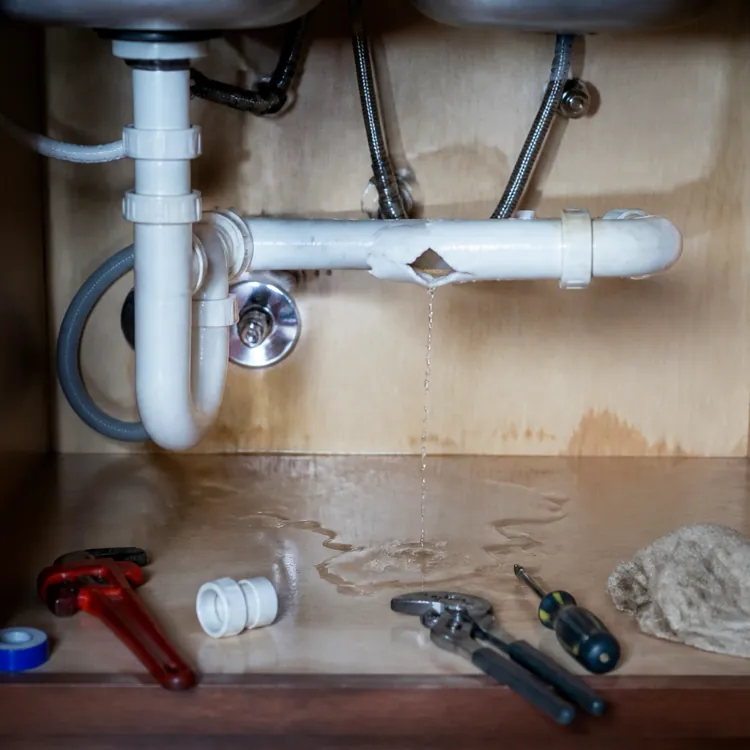
Home warranties cover burst pipes in a number of situations, but not all of them. Generally speaking, home warranty plans cover interior pipes that burst due to regular wear and tear or related mechanical failures. They typically don’t cover pipe bursts caused by unexpected incidents, pre-existing conditions and preventable causes.
Warranty coverage and exclusions for burst pipes
The table below shows common causes of pipe bursts and whether a home warranty may cover the resulting damage.
| Plumbing problem | Covered by home warranty | Reason for exclusion |
|---|---|---|
| Wear-and-tear-related pipe burst | Yes | N/A |
| Pipe burst caused by avoidable freezing | No | Preventable damage |
| Long-term corrosion | Yes | N/A |
| Leak caused by poorly-installed components | No | Damage caused by homeowner behavior |
| Outdoor sewer line rupture | No (depending on distance from home) | Outside of coverage agreement |
| Pipe burst caused by clogged drain from normal use | Yes | N/A |
| Pipe burst caused by ignored slow leak | No | Homeowner neglect |
| Pipe damaged by tree root intrusion | No | Lack of maintenance |
Home warranty plumbing coverage details
Most home warranty plans cover plumbing systems to some degree, but the differences between one plan and another often lurk in the details. Contracts vary in the components they cover, but also in other ways that have a practical impact on the cost and value of a plan.
Plumbing parts and failures covered by home warranties
Home service contracts provide lists of all of the plumbing components they cover. While the exact list varies between plans and providers, coverage typically includes parts such as:
- Interior supply lines and connections
- Drain and waste lines
- Sewer lines located within the foundation
- Shut-off valves and angle stops
- Pipe joints and fittings
- Toilet wax seals and connections
- Fixture supply lines
- Leaking drain assemblies
- Corroded or cracked pipe sections
Warranty contracts also define the causes of pipe bursts and other plumbing failures they cover. Covered causes usually include:
- Damage from long-term corrosion
- Worn-out joints and gaskets
- Clogs and blockages from normal use
- Aging shut-off valves
- Corroded connection points
- Leaks and other failures from material deterioration
Additional warranty coverage considerations
In addition to the causes and components covered under your contract, there are other aspects of home warranties to consider before buying a plan. Understanding the following features can help you make the right decision about coverage and avoid unexpected claim denials.
Service fees
Home warranty plans come with service fees that you must pay toward the cost of covered repairs, similar to how deductibles for insurance policies work. Some providers require a universal fee for all service calls, while others vary fees based on the type of service. In some cases, you may be able to select your service fee from a set of options.
Compare out-of-pocket costs between providers when choosing a home warranty plan.
Service fees typically range from as little as $50 to as much as $125 per call.
Plumbing coverage limits
Home warranty contracts feature itemized coverage limits for different systems and appliances. These itemized limits specify the maximum amount a provider will pay toward a claim. Coverage caps for plumbing systems vary between providers and sometimes between different plan levels from the same provider.
When comparing plans, keep these plumbing coverage limits in mind:
- Expect plumbing coverage limits of $2,000 to $3,000, though some plans cap coverage at $500.
- Consider providers offering higher coverage caps or unlimited plumbing repair and replacement.
- Check for annual coverage limits that apply in addition to per-claim caps.
Documentation requirements
Many home warranty providers require maintenance records and other documentation when you submit a claim. This is to ensure that you’ve adequately maintained your plumbing system and that the issue you’re reporting isn’t caused by a pre-existing condition.
If you can’t provide the documentation your provider requests, your claim may be denied — even if it meets other criteria for coverage. Keep all service records and other documents related to your plumbing system stored where you can access them easily.
Scope of coverage
Home warranties usually state where coverage begins and ends. While plans cover a range of plumbing components, coverage is limited to the components themselves. Damage to surrounding items is not included. Often, it doesn’t extend outside the foundation of a home, or only applies up to a certain distance away from it.
Weigh the scope of the potential costs and benefits when buying a home warranty plan since they affect the value of your coverage.
Home warranty exclusions and claim denials
Most home warranty contracts list exclusions for plumbing coverage that specify components and causes of damage they don’t cover. While the specific list varies between providers and plans, most plumbing exclusions fall into one of three categories:
- Components and services outside the scope of the contract
- Preventable damages or issues caused by homeowner error
- Accidental or incidental damages
Common reasons plumbing claims are denied
You’ll need to read your contract carefully to learn the exact list of exclusions for your plan, but some of the most common reasons home warranty providers deny plumbing claims include:
- Pipe location: Home warranties often don’t cover water and sewer lines located beyond a certain distance from the main structure. They also tend to exclude pipes placed in unheated or unconditioned spaces within homes.
- Freeze damage: Providers will likely deny a claim if pipes freeze and burst due to inadequate insulation or winterization.
- Improper installation: Pipe damage caused by poorly installed components, DIY repairs or unpermitted work is typically excluded from coverage.
- Neglect: Providers typically won’t cover damage related to inadequate maintenance, lack of regular inspections or leaks that have been ignored for a long time.
- Construction damage: A home warranty isn’t likely to cover unintentional damage that occurs during renovations or remodeling work.
- Pre-existing damage: Plumbing issues caused by pre-existing conditions or damage that occurred before the start of the warranty term are usually excluded from coverage.
- Chemical corrosion: Home warranties don’t usually cover bursts and leaks caused by improperly disposed chemicals, such as caustic cleaners poured down drains.
- Accessibility issues: Some plans don’t cover pipes buried underground or underneath slab foundations. Those that do typically only cover plumbing components, but not the access and location services required to repair them.
Home warranty plumbing coverage requirements
Under a home warranty contract, you’re required to adequately maintain your plumbing system to avoid preventable pipe bursts and other plumbing failures. Your provider will likely deny claims for damage caused by a lack of routine maintenance or proper upkeep.
Your contract should lay out specific maintenance requirements. But in general, your responsibilities include:
- Getting regular professional inspections
- Attending to and reporting leaks as soon as they appear
- Repairing pre-existing damage before coverage begins
- Properly insulating and winterizing pipes
- Preventing roots from growing into water and sewer lines
- Regularly clearing drains of hair, soap scum and other materials that cause clogs
- Avoiding improper disposal of cooking oil, grease and other fats into home plumbing
- Hiring professional services for all repairs and installations
- Obtaining all required permits for services and installations
Home warranty vs. homeowners insurance coverage
Home warranty plans and homeowners insurance policies can both cover your plumbing system. However, there are substantial differences in when they apply and what they cover.
As a general rule, home warranties cover failures in plumbing components that occur due to long-term wear and tear. Insurance, on the other hand, covers damages related to accidents or otherwise unexpected incidents.
Additionally, home warranty coverage is typically limited to the affected components themselves. Insurance policies may cover the same plumbing components, but they also cover issues caused by pipe bursts and other plumbing failures, like structural damage to walls and floors.
Home warranty and homeowners insurance: What each covers
The table below compares typical plumbing coverage under home warranties and homeowners insurance.
| Repair service | Covered by home warranty | Covered by homeowners insurance |
|---|---|---|
| Pipe repair or replacement (normal wear and tear) | ||
| Water damage restoration | ||
| Plumbing stoppages and clogs | ||
| Mold remediation | ||
| Personal property damage | ||
| Broken toilet components | ||
| Pipe repair or replacement (sudden or accidental damage) |
Do you need a home warranty and homeowners insurance?
If you took out a mortgage to buy your home, your lender likely requires you to have homeowners insurance to protect their asset.
Home warranties, on the other hand, are always optional.
While you don’t technically need both, home warranty plans and homeowners insurance policies provide complementary coverage with little overlap between them. That means having both gives you comprehensive protection for your plumbing system against most types of issues.
Can you use home warranty and insurance plans for the same incident?
While home warranties and homeowners insurance policies typically apply to different types of plumbing issues, there are some cases in which you can use both to cover damages from the same incident. This is known as a split claim.
For example, if a pipe bursts due to normal wear and tear and floods your basement, your home warranty would cover the cost of repairing or replacing the pipe and other plumbing equipment. Your homeowners insurance would cover the cost of replacing floors, drywall and other items damaged by the leak.
» RELATED: Do you need a home warranty?
FAQ
Is it expensive to fix a burst pipe?
It can be expensive to fix a burst pipe if the pipe is located under a slab foundation or is otherwise hard to access. The average cost to fix an accessible burst pipe typically ranges from $200 to $1,000, but more difficult repairs can cost $3,000 or more.
Do insurance companies pay for burst pipes?
Yes, insurance companies pay out for burst pipes if the damage is sudden or accidental. Providers may not approve claims for damages caused by long-term wear and tear.
Does homeowners insurance cover a busted pipe in the foundation?
Yes, a homeowners insurance policy covers damages from a busted pipe located in the foundation as long as the damage is sudden or accidental. This includes water-damaged walls and floors, as well as any other items affected by the leak. However, a homeowners insurance policy may not cover the cost of replacing the pipe itself.
Does homeowners insurance cover burst pipes from freezing?
Homeowners insurance will likely cover damage from pipes that burst from freezing, but it may not cover the cost of replacing the pipe itself. However, in some cases, a home warranty would cover pipe repair or replacement.
Article sources
ConsumerAffairs writers primarily rely on government data, industry experts and original research from other reputable publications to inform their work. Specific sources for this article include:
- Office of the Attorney General for the District of Columbia, "Consumer Alert: Home Warranties." Accessed Aug. 20, 2026.
- Washington State Office of the Insurance Commissioner, "Leaks, water damage and mold." Accessed Aug. 20, 2026.
- North Carolina Department of Insurance, "FAQs About Homeowners Insurance." Accessed Aug. 20, 2026.